
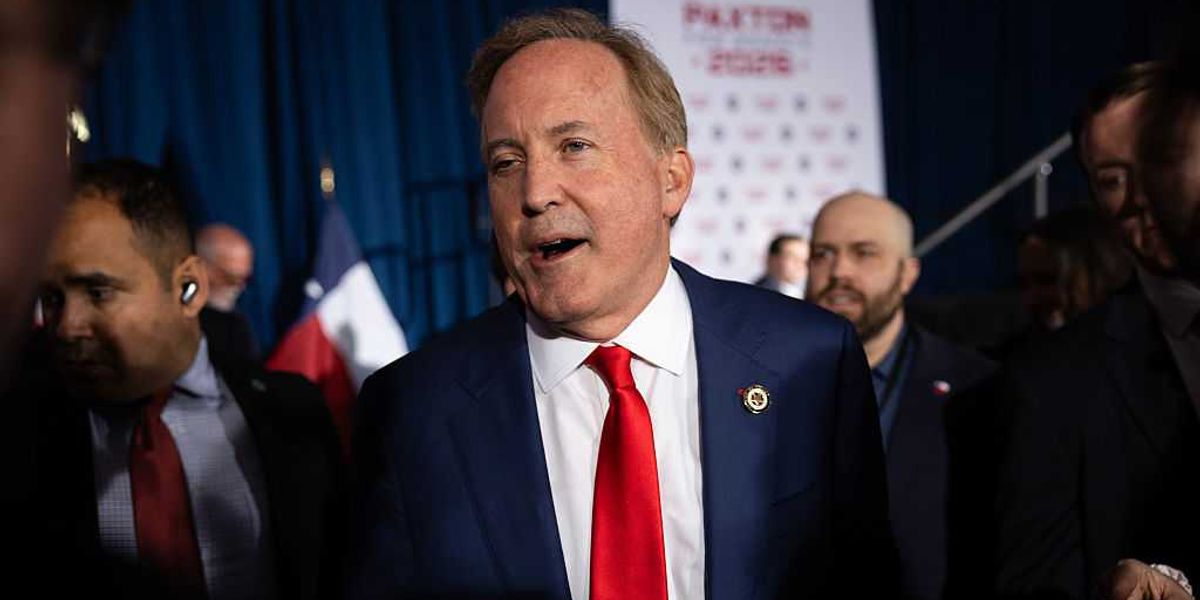
Texas’ GOP runoff between Attorney General Ken Paxton and Sen. John Cornyn is tighter than the money suggests, with Cornyn holding a huge cash advantage while Paxton edges him in key polls and the base. The contest reads like a classic establishment versus insurgent fight: Cornyn has the bankroll, Paxton has momentum with likely primary voters. Meanwhile, Democrat James Talarico looms with a fundraising juggernaut that could shape strategic decisions for Republicans ahead of November.
Cornyn’s incumbent status bought him a sizable war chest heading into the spring, ending the quarter with roughly $8 million cash on hand versus Paxton’s $2.6 million. That financial cushion matters for outreach and ads, but it hasn’t closed the gap with voters who want a change from the Senate status quo. Paxton keeps managing to eke out narrow leads in several polls even when outspent.
Polling averages show Paxton holding a modest edge in the runoff contest, with some surveys putting him several points ahead of Cornyn. One nonpartisan survey even gave Paxton an unexpectedly wider margin as the runoff approaches, signaling real enthusiasm among Republican primary voters. Those same numbers should warn the GOP establishment: cash buys reach, not always votes.
President Donald Trump has so far stayed on the sidelines and has not formally backed either candidate, a silence that has left the field without a clear national signal. That absence makes local dynamics and grassroots energy even more decisive in the weeks before May 26. With turnout likely to be the key variable, ground game and voter intensity matter as much as the size of the bank account.
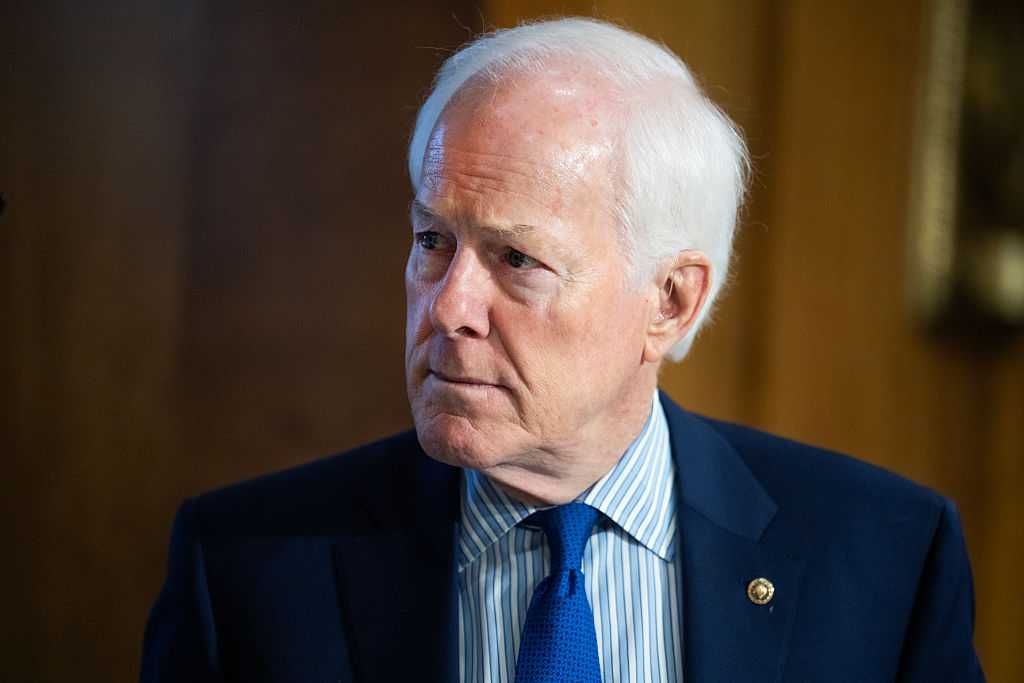
Talarico also boasts a major spending advantage over both Republican candidates.
While Paxton appears to dominate the GOP base, the general election math tells a slightly different story: Cornyn tracks a bit better against Democrat nominee James Talarico in head-to-head numbers. Paxton is shown just a hair ahead of Talarico in some averages, while Cornyn posts a marginally stronger position in others, suggesting the party faces a trade-off between base passion and broad electability. Those fine margins could determine whether November becomes a defensive fight or a comfortable hold.
Talarico crushed the Democratic primary field and finished the quarter with an astonishing fundraising tally, bringing in roughly $27 million and carrying nearly $10 million into the post-primary stretch. That firepower gives the Democratic nominee flexibility to shape the narrative and target Texas media markets long before November arrives. Republicans can’t ignore that financial reality when choosing who they’ll send into the general election.
For voters and activists focused on keeping this seat in Republican hands, the choice in the runoff will come down to which candidate can both excite the base and withstand a well-funded Democratic onslaught. Cornyn’s resume and polling strength in a head-to-head setting make him a safe pick in the view of many pragmatic Republicans. Paxton’s appeal to the party’s grassroots and his current edge in primary polling make him a compelling alternative for those who prioritize enthusiasm and change.
The runoff takes place on May 26, and the winner will face James Talarico on November 3 in a matchup that will test the GOP’s ability to unite around a nominee. Between now and then, each campaign will try to turn dollars into voters and momentum into turnout. Texas Republicans will decide which path they think gives the party the best shot at victory this fall.
