
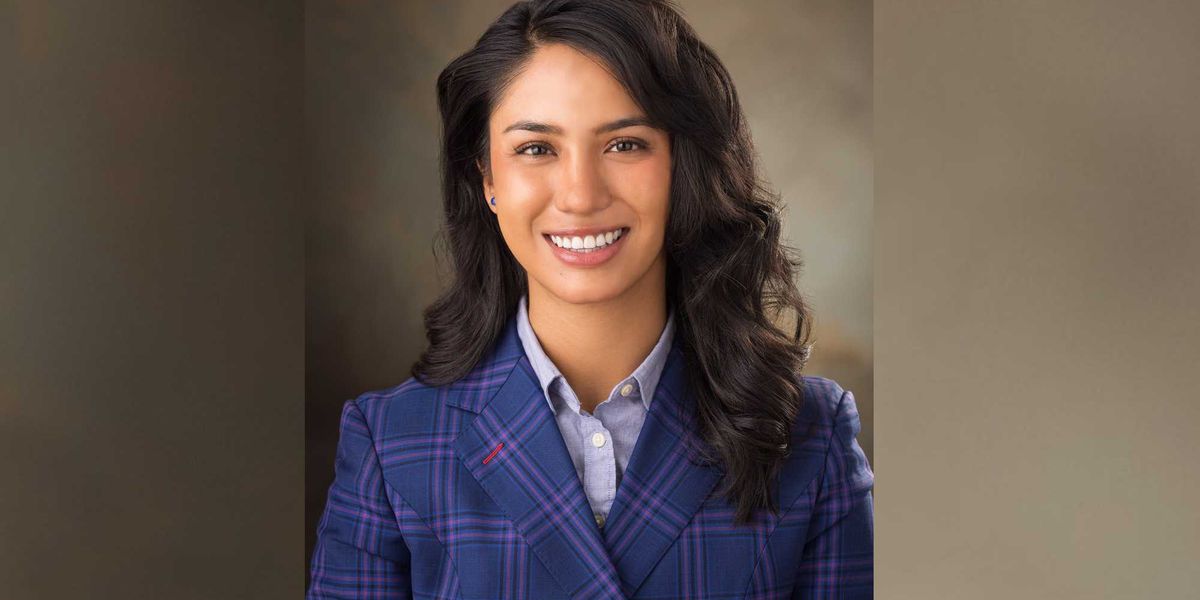
A Salt Lake City council member and Democratic congressional hopeful faces public accusations from four women alleging unwanted sexual advances, sparking sharp questions about accountability and character as she seeks higher office.
The accusations come from three elected officials and a private citizen who say the encounters happened before the council member won her seat. The timing of the revelations coincides with her congressional campaign, turning a local story into a national problem for Democrats who like to lecture about conduct. This raises a basic question: should a candidate’s personal behavior be treated as seriously as the rhetoric they use about others?
The woman at the center of this controversy is a Latina lesbian elected official who has been proud of her immigrant roots and her milestone as an early Mexican-American on the city council. She champions bold positions on immigration, including calling for the abolition of Immigration and Customs Enforcement, which has made her a visible figure in left-leaning circles. Those political stances do not shield her from scrutiny over the allegations.
She has pushed back through legal counsel, calling the claims shocking and denying some interactions outright. “She is prepared to address them in any forum. She stands ready to submit to a polygraph test regarding these various allegations if requested,” reads a statement from her attorney, Greg Skordas, and that claim of readiness is meant to suggest confidence. Skeptics will note that a willingness to take a polygraph is not the same as a public accounting of facts and witnesses.
Three of the accusers say they told others at the time about what happened, and those contemporaneous conversations are cited as part of why the women went public now. The moving parts here are familiar: allegations made years ago, alleged victims who say they spoke up privately, and a candidate who only recently became the target of public disclosure. For voters who value law and order and clear standards, the sequence matters and credibility must be tested.
The accused has publicly criticized another politician for crude jokes about sexual violence, using language meant to condemn dismissiveness toward survivors. ‘We cannot excuse behavior — past or present — that trivializes or undermines the seriousness of sexual violence, assault, and harassment.’ That exact phrase was used by her when calling out a colleague, and it now stands uncomfortably beside these accusations against her. Principles sound hollow when they are not applied consistently.
One of the accusers recounted an interaction that she says crossed a clear line, alleging physical pressure and a crude remark in the moment. “pushed me back against a pillar so that my back was against the wall and told me, ‘The only reason I still f**k men is because a woman hasn’t shown me what I really want,'” the accuser said, an explicit claim that underscores how disturbing the alleged behavior was. Those are serious words and voters should expect thorough, independent scrutiny when such language is used to describe a candidate’s conduct.
Local reporting has laid out details of other alleged incidents, painting a pattern plaintiffs argue is consistent enough to merit public attention. The accounts vary in setting and tone but share similar themes of unwanted advances and discomfort, and the women say they felt compelled to speak out because of her run for higher office. Running for Congress invites wider oversight, and public office brings greater public accountability.
Her biography emphasizes her family story and trailblazing role in local government, and she has used that platform to push progressive ideas. That same platform now brings tough questions from conservatives and independents alike who worry about hypocrisy and trustworthiness. For voters who care about integrity, a candidate’s message has to match behavior, or else the message rings false.
Campaigns are contests of record and character, and this race will be no different. The allegations need a fair, transparent review, and the candidate needs to provide more than denials and offers of polygraph tests to restore confidence. Republicans will press for clarity and expect that voters hear directly from witnesses and investigators rather than only from lawyers and sound bites.
The stakes extend beyond one race: Americans want leaders whose private conduct matches their public preaching, and that standard should apply to everyone running for federal office. Voters deserve straightforward answers and accountability, not evasions or selective outrage. This story will test whether the candidate can provide the level of transparency and responsibility the job demands.
