
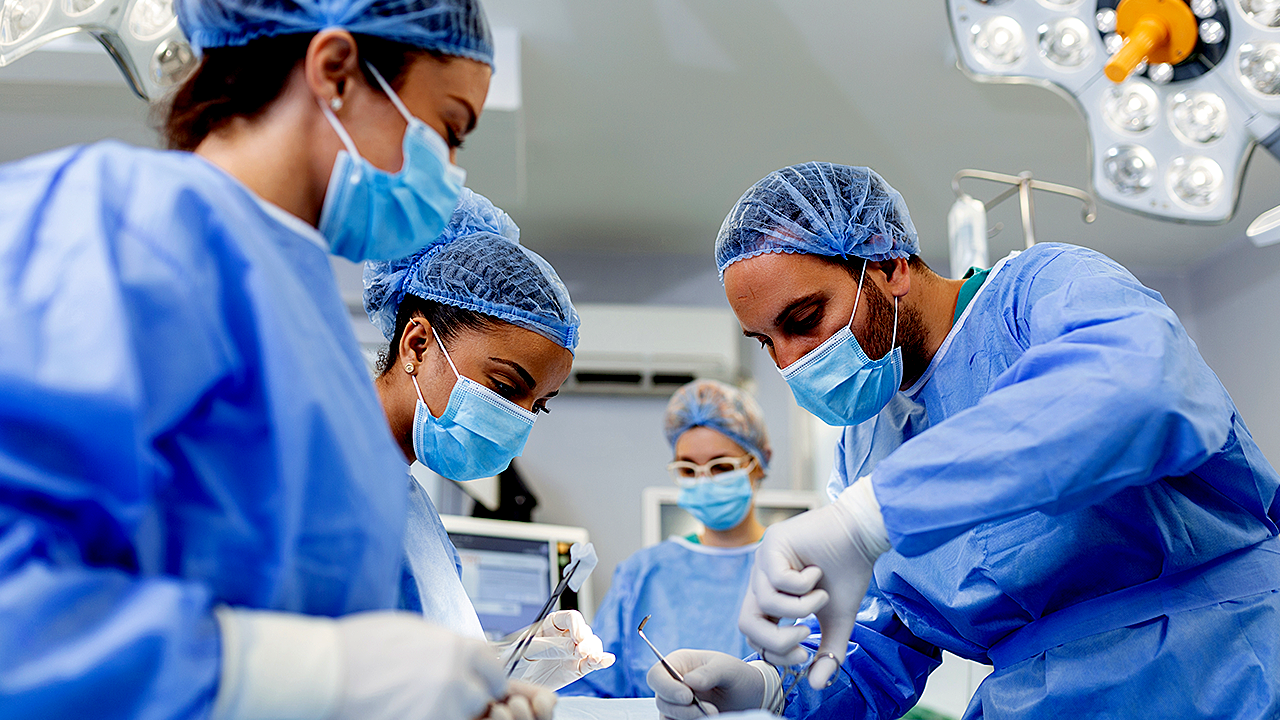
Questions about what happens to removed tissue are getting more attention, and the answers are messier than most people expect. What starts as a routine surgery can turn into a surprisingly emotional conversation about ownership, safety, and what patients are allowed to keep after the operating room lights go off.
Most hospitals treat removed tissue as medical waste, but that does not stop some patients from asking for it back. The requests can be practical, symbolic, or deeply personal, and they often reveal how much meaning people attach to the body parts that once caused pain, fear, or long-term frustration.
Some examples sound almost unbelievable at first. A woman kept her removed uterus in a jar after a hysterectomy as a reminder of what she had lived through, while another preserved her fallopian tubes in a decorated box. Others have gone in a more playful direction, like turning a wisdom tooth into a calligraphy pen or saving a piece of tubing from a hospital stay as a keepsake tied to a major life event.
Doctors say the impulse behind these requests is not always about shock value. For some patients, the tissue serves as proof of a diagnosis that took years to be taken seriously, especially in cases involving chronic pain or conditions such as endometriosis. For others, it is about closure, identity, family tradition, or marking a difficult chapter with something tangible.
The key issue is that there is no single nationwide rule that neatly answers who owns removed tissue. Hospital policies, state laws, and the reason the tissue was removed all matter, which means one patient may be allowed to keep an item while another is denied under nearly identical circumstances.
That is where the process gets complicated fast. Doctors cannot simply hand over larger body parts on request, because those materials may need to be examined for infection, disease, or other medical concerns before any release can even be considered.
In everyday practice, smaller items are sometimes treated differently. Things like kidney stones, salivary stones, or other low-risk objects may be released more easily, as long as they are not connected to a criminal investigation or another legal issue.
Once the tissue is larger or more medically sensitive, the rules tighten. Pathology testing may be required to confirm that no dangerous condition is hiding in the specimen, and that step can change whether the tissue can be returned at all. That is especially true when the original surgery involved bleeding, infection, or another complication that raises red flags.
Pregnancy-related tissue sits in a category of its own. Placenta, miscarriage tissue, and similar specimens often come with separate hospital procedures, and families who ask about taking them home may have to navigate an entirely different set of rules and paperwork.
Online, the issue has sparked plenty of debate, with patients comparing notes about what happened in their own cases. Some are stunned when they are told no, especially if the tissue came from their own body, while others say the health risks make the hospital’s caution seem obvious.
The push and pull makes sense because this is not just a medical question. It touches grief, autonomy, privacy, and how much control a person should have over something that was once part of them, even if the item now carries a lab tag and a biohazard warning.
For surgeons and hospitals, the challenge is balancing compassion with policy. A request for a keepsake can feel deeply human, but it still runs into the hard edges of safety rules, legal liability, and the practical reality that not every removed body part can safely leave the building.
That is why the same question can bring such different answers from one hospital to the next. One patient may walk out with a tiny stone in a cup, while another hears that a larger specimen has to stay behind for testing, documentation, and disposal under the institution’s own rules.

1 Comment
Think about it. Many years ago I took my VW Beetle into to have a new voltage regulator installed. This was in Fayetteville, NC. When I was heading out to Utah to visit my sister the generator light started coming on again. I stopped to have it checked, only to find out the VW dealership did not replace it. The dealer in Tennessee was so angry that he replaced it free and took down the information in Fayetteville. Getting back to the story besides keeping it for a memorial(?) but to make sure it was actually removed. Medical personnel have really lost a lot of trust through the covid-19 situation.