
America has spent the week staring at outages, cyberattacks, a ground stop, and a banking blackout, and the mood has shifted from irritation to something closer to raw nerves. Layer on the fear of AI, and the bigger problem starts to look less technical and more cultural: people want proof that someone is actually steering the ship.
That kind of unease is not hard to understand. When systems wobble, messages conflict, and officials sound casual while the public feels exposed, confidence slips fast. Even before anyone knows the full cause of a failure, the first question is usually the simplest one: who is in charge here?
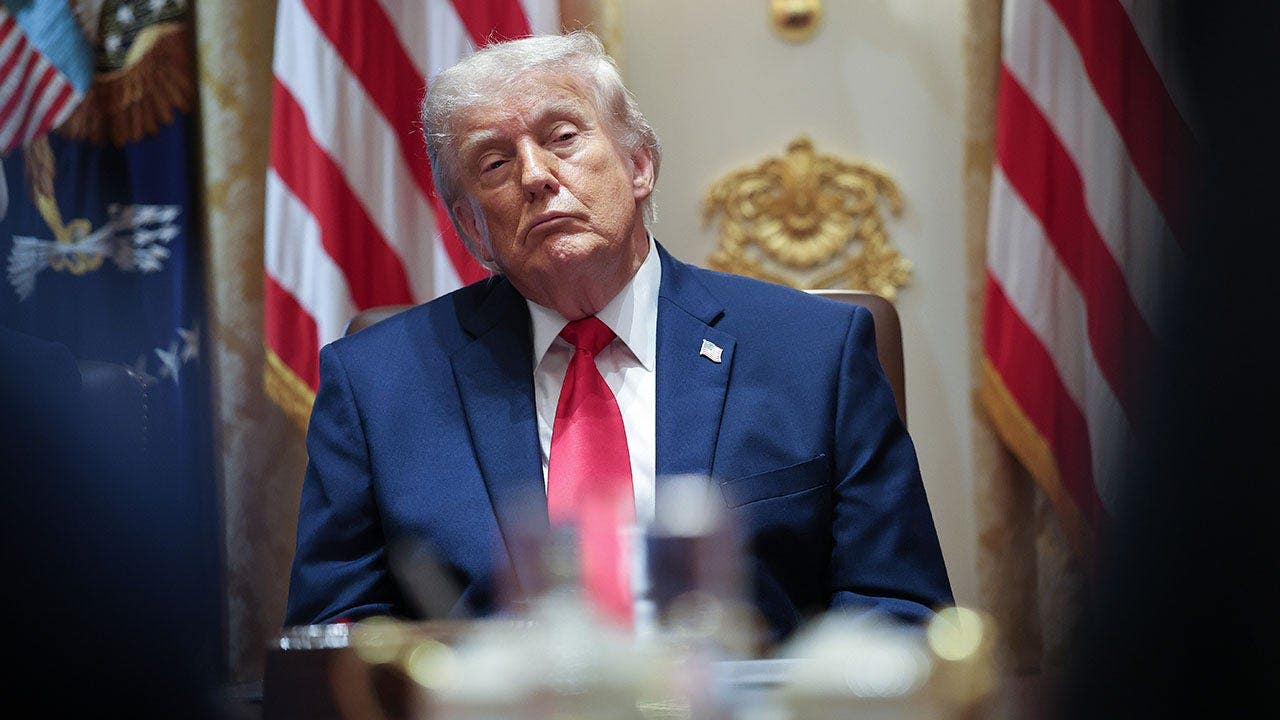
This is where the White House has made life harder for itself. President Trump has tended to brush off concerns with a shrug, framing the outages as separate events and urging people not to panic, while other officials have stumbled through explanations that sounded improvised. That combination can leave the public with the worst possible impression, that the government is reacting after the fact instead of setting the tone.
The problem is not just the substance of the response, but the look of it. A country already on edge does not want vague reassurances, mixed theories, or officials sounding like they are guessing on live TV. When people are watching planes get grounded, hackers poke at major institutions, and federal systems falter, they expect clarity, not a shrug and a pat on the back.
That is why the old political instinct of simply telling the public to calm down rarely works. If the moment feels chaotic, citizens want visible command, even if the underlying fix will take time. The memory of old tabloid headlines demanding that a mayor or president “do something” still lands because it captures a basic truth: reassurance matters, and tone matters almost as much as policy.
There is also a real infrastructure story here, and it is not flattering. Air traffic control, cybersecurity, and federal communication systems have been neglected, patched, and strained for years, which means every new failure arrives on top of a deeper weakness. The result is a brittle setup that can turn one problem into five, especially when the public sees outages, breaches, and confusion all at once.
That is why the finger-pointing over who approved what, who spent money badly, and who should have seen trouble coming feels so familiar. Billion-dollar upgrades, delayed modernization, and unspent funds all collide with a very simple political reality: people do not care about process when they are stranded, locked out, or left guessing whether the system can protect them.
At the same time, the national mood is not as shattered as the worst headlines suggest. Americans are still showing plenty of appetite for distraction, entertainment, and normal life, which says something important about how fear actually works. Worry can spike quickly, but it does not always harden into full-blown panic, and daily life often keeps pushing back against the gloom.
That tension is the real story. The country can feel exposed and still keep moving, still joke, still stream, still argue about sports, movies, and games while the institutions around it struggle to keep up. The pressure on leaders is to match that resilience with competence, because people can handle hard news, but they lose patience fast when nobody seems willing to grab the wheel.
In the middle of all this, the bigger issue remains the same: trust. Once Americans start believing that officials are behind the curve, every outage feels bigger, every breach feels darker, and every statement sounds flatter than it should.

1 Comment
Cant trust the System now
who can U trust
mixed messages DONT help