
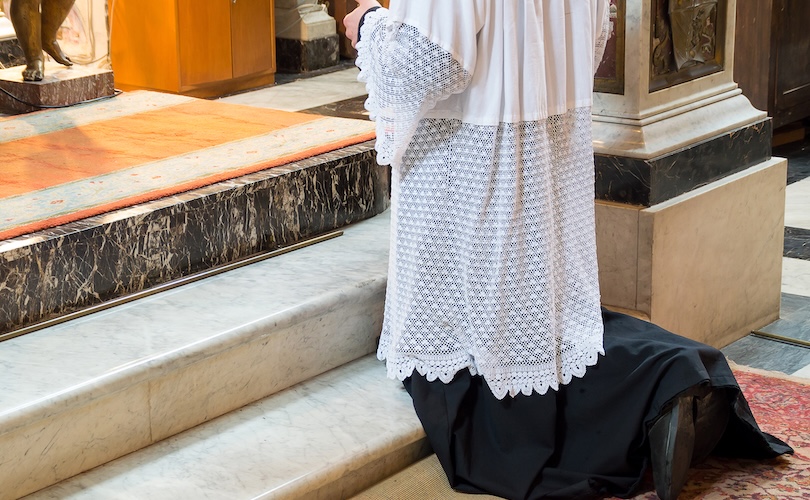
What happened at the Confirmation Mass in Charlotte sparked immediate frustration and public questions about pastoral practice and respect. A number of families at the altar rail were denied Communion while others received it, and witnesses described the moment as humiliating and confusing. The episode raises issues about liturgical consistency, diocesan policy, and how church leaders handle sensitive moments in public worship. This piece walks through the facts, reactions, and practical implications for families and parishes.
The moment that set off the stir was plain and simple: some people at the rail were given Communion while others were not. That split prompted a father to say, ‘Everyone else communicated and we were denied. To be frank, it was very humiliating,’ one father who attended the Mass said. Witnesses say the unequal treatment happened during a Confirmation rite when candidates and their families expected uniform pastoral practice. The scene left several families feeling singled out in a space that should have felt supportive and holy.
People breathe differently when a sacrament is administered inconsistently; it breeds doubt and resentment fast. Families who came to support confirmandi saw an unmistakable message: some folks were included, others excluded, and nobody got a clear explanation on the spot. That silence matters because pastoral clarity prevents small slights from becoming deep wounds. Parishes succeed when leaders communicate expectations and reasons before, not after, a ceremony causes pain.
When priests, bishops, or ushers treat people differently during a liturgy, it opens questions about authority and discretion in sacramental moments. Canon law and diocesan guidelines exist to help ordained ministers make consistent calls; when practice veers, the result is confusion rather than reverence. Community trust depends on predictable behavior that lines up with stated norms. Without it, parishioners start worrying whether decisions are pastoral, punitive, or simply arbitrary.
It’s also worth noting the optics beyond doctrine: a Confirmation Mass is a public, emotional rite where families stand visibly in support of young Catholics. Denying Communion to some while others approach can feel like a public rebuke. That kind of visible distinction, even if based on technicalities, plays out in social media and local conversations, intensifying the hurt. Church leaders aiming to keep unity should avoid moves that leave families feeling publicly diminished.
Responses so far have been a mix of private calls, quiet complaints, and pointed questions from parishioners who want an answer and some reconciliation. Parish leaders who model direct, respectful explanation tend to calm things faster than those who rely on silence or vague statements. A simple clarification about policy, delivered sincerely, can restore confidence much quicker than long, defensive explanations. The long-term health of a parish often depends on whether leadership listens and acts when parishioners are wounded.
At the practical level, parishes can tighten communication around liturgical norms and the flow of sacramental ceremonies. Training for ushers and clear instructions in bulletins or pre-mass announcements cut down on embarrassing moments. Pastors who personally meet with affected families afterward demonstrate that the parish values people over optics. These steps help transform a one-off incident into a learning moment rather than an ongoing grievance.
Finally, the human element should not be forgotten: confirmation candidates and their families came to celebrate a milestone in faith, not to become a flashpoint for controversy. Painful incidents like this undercut the spiritual purpose of the rite and the pastoral mission of the church. Restoring trust will require openness, concrete policy clarity, and a readiness to apologize where pastoral judgment fell short. The parish community deserves to move forward with dignity and clarity, not lingering questions about who belongs at the altar rail and why.
