
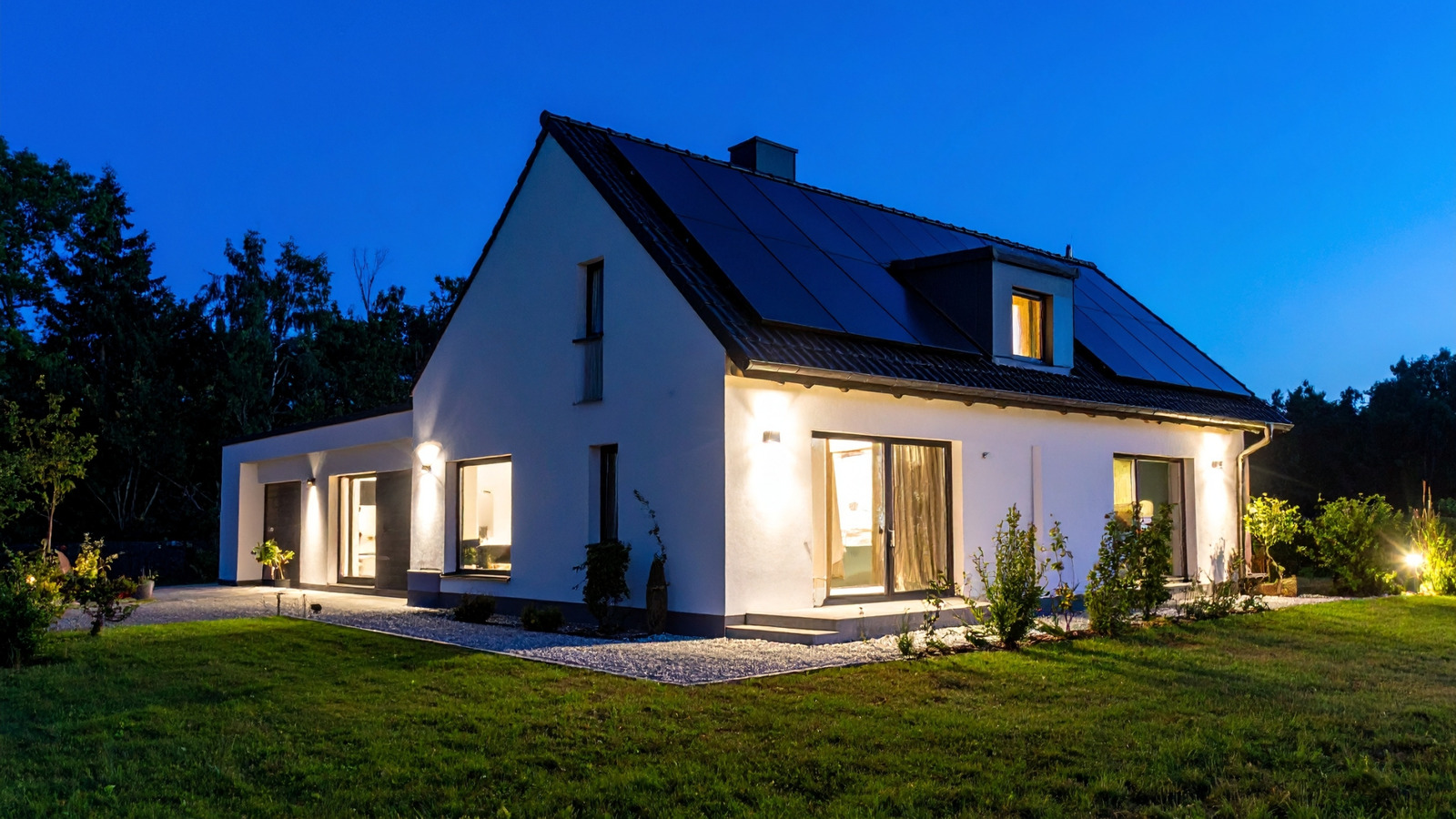
Many homeowners leave their outdoor lights on overnight for a sense of safety, but that choice comes with real electricity costs and alternatives worth weighing. This article looks at the financial hits, the tech options that cut bills, simple scheduling ideas, and practical security tradeoffs so you can decide what makes sense for your yard and wallet.
Keeping lights burning all night is a common instinct; darkness feels risky and motionless yards invite unease. But lights consume power every hour they run, and over a month those kilowatt-hours add up into noticeable charges. The actual cost depends on bulb type, fixture wattage, and local electricity rates, so guessing won’t cut it if you’re budgeting.
Bulb choice is the biggest lever for cost control, with LED technology offering a dramatic edge. A 10-watt LED can match the output of a 60-watt incandescent, which means swapping older bulbs can slash usage by 80 percent or more. That change alone often delivers a quick payback and keeps the porch lit without needlessly inflating the electric bill.
Timers and motion sensors prevent lights from being on when nobody is around, which is where real savings happen. Timers let you set defined hours so lights run only when they are likely to matter, while motion sensors turn on illumination only when activity is detected. Combining LEDs with sensors is a straightforward way to keep visibility when needed and reduce wasted runtime.
Smart lighting brings more control for homeowners who like tech solutions, allowing remote scheduling and energy tracking from a phone. Geo-fencing and adaptive schedules can light the way for arriving vehicles but stay dark when the household is away. Those features add convenience and can be programmed to respond to real threats rather than staying on all night for peace of mind.
Cost math is simple when you break it down: multiply wattage by hours and your utility rate to see monthly impact. For example, a 10-watt LED left on eight hours nightly uses about 2.4 kWh a month if run every night, while a 60-watt incandescent under the same routine uses six times that. Once you plug in your local price per kWh the difference becomes immediate and hard to ignore.
There are also non-light security options to consider that reduce reliance on constant illumination. Motion-activated cameras with night vision, reinforced locks, and neighborhood watch efforts can all lower risk without driving up electric bills. Visible cameras and well-placed porch lights that come on with motion often deter intruders just as effectively as steady illumination.
For many households a hybrid approach works best: LED fixtures, motion sensors for yard lights, and timers to limit late-night running. That mix keeps sightlines clear for safety, curbs unnecessary power use, and lets you balance the comfort of a lit home with responsible energy choices. Small changes add up, and smart decisions can preserve both security and the budget without leaving the yard in perpetual glare.
