
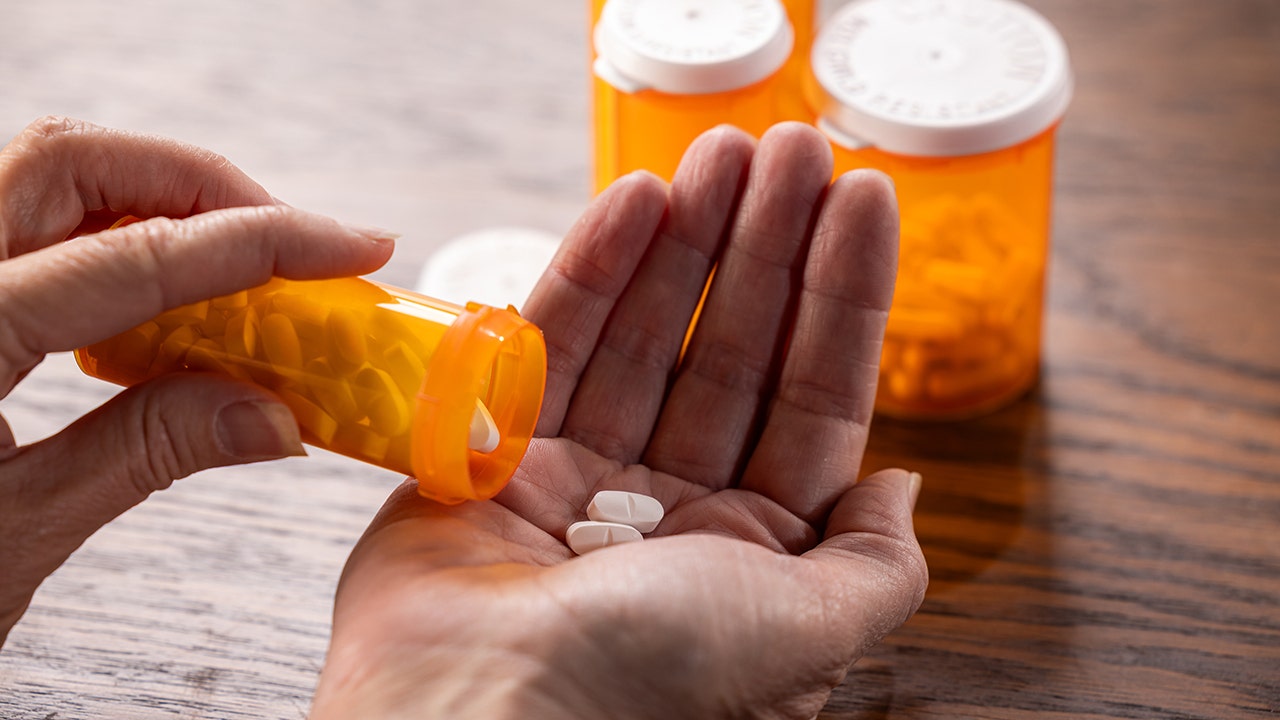
Older adults who rely on several prescriptions at once may be carrying more than just a pill organizer. A new study links taking five or more medications with a higher chance of death, and it also points to a wider problem that doctors and families can’t afford to ignore. The big issue here is polypharmacy, plus the fact that risky combinations, side effects, and hidden health problems can pile up fast.
The research, published in the Journal of the American Geriatrics Society, looked at national survey data from 7,828 adults age 65 and older. Researchers reviewed medication use over a 30-day window by checking pill bottles, then tracked participants for an average of 8.5 years. That makes it a long look at how medication patterns may line up with health outcomes over time.
What stood out was how common high-risk medication use was. More than half of the older adults studied, 54.3%, fell into at least one high-risk category, and the largest share was made up of people taking five or more prescription drugs. Another 37.6% used medications that are considered risky for older adults, including drugs that can raise the odds of confusion or falls.
There was also the issue of drug interactions, which can turn an ordinary medicine routine into a real mess. The study found that 11.4% of participants were taking combinations known to cause major drug-to-drug interactions. In older bodies, that matters even more because the liver and kidneys often process medications less efficiently than they used to.
Once the researchers adjusted for health status and underlying conditions, the numbers still raised eyebrows. Taking five or more prescriptions was tied to a 38% increase in overall mortality risk, and each added medication was linked to a 7% higher risk of death. That does not mean the drugs directly caused the deaths, but it does show a strong association that deserves attention.
Experts say the pattern may reflect a mix of factors, not just the medicines themselves. People on more prescriptions often have more serious health problems to begin with, which can make their outcomes worse. Still, the more medications that enter the picture, the more chances there are for side effects, mistakes, and accidental overdose.
That is why the idea of deprescribing keeps coming up. Deprescribing means carefully reducing or stopping medicines that are no longer needed, or that may be doing more harm than good. The study’s authors said the results could help doctors identify patients who might benefit from that kind of review.
There are limits to what this kind of research can prove, though. The study focused on community-dwelling older adults, so it did not include people in nursing homes or assisted living facilities. It also captured medications during one early snapshot, which means it could not track later changes in prescriptions or health conditions.
That matters because real life is messy, especially for older adults juggling several doctors and several conditions. A medication list can change quickly, and new symptoms can lead to even more prescriptions if no one steps back to look at the full picture. That is where regular check-ins become less of a nice idea and more of a necessity.
The practical advice is pretty straightforward. People taking multiple medications should go over everything with a doctor or pharmacist, including prescriptions, over-the-counter drugs, vitamins, and supplements. The point is to ask what each one is for, whether it still makes sense, and whether the dose is still right.
That kind of review can uncover duplicate therapies, unsafe combinations, or medications that have simply outlived their usefulness. It can also help older adults and caregivers spot problems before they snowball into a fall, a bad reaction, or a trip to the hospital. In a system where more pills often mean more risk, a little sorting can go a long way.
