
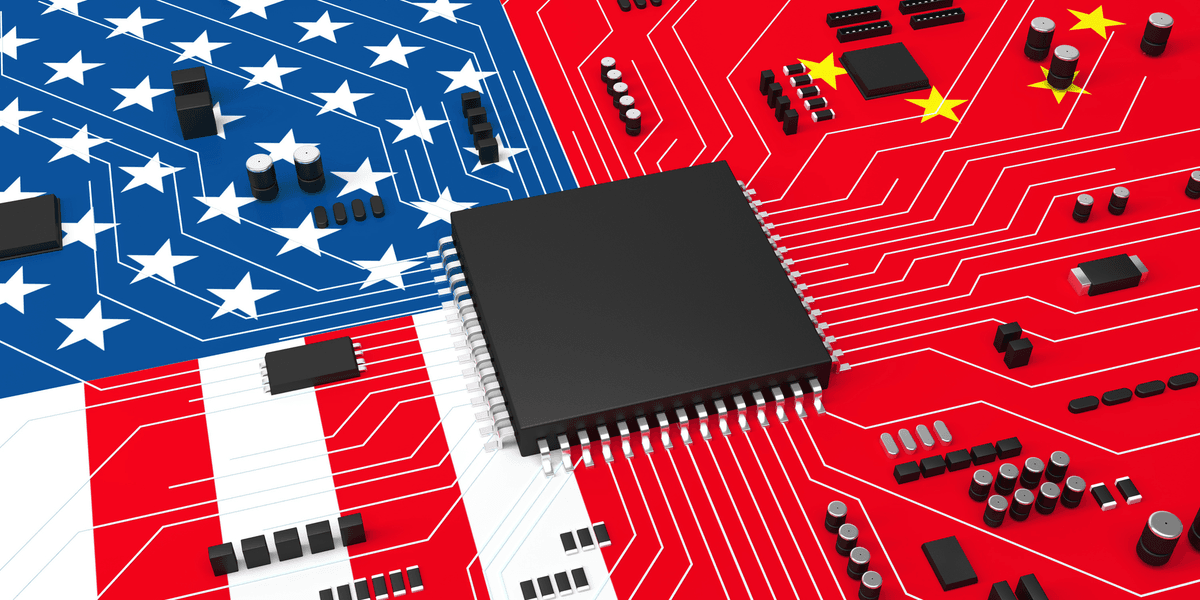
Nvidia is once again at the center of a tech fight that reaches far beyond Silicon Valley. The latest friction around chip access, export limits, and China’s appetite for advanced hardware has turned a single company into a symbol of how tense the global race for artificial intelligence has become.
The stakes are huge because Nvidia’s chips sit near the heart of modern AI systems. Data centers, model training, and high-end computing all depend on the kind of performance its graphics processors can deliver, which is exactly why governments keep circling back to the company when national security and trade policy collide.
China remains one of the biggest pressure points in the story. Demand for top-tier chips is enormous there, but U.S. restrictions have made the flow of cutting-edge hardware much harder, forcing buyers, sellers, and regulators to navigate a maze of rules, loopholes, and workarounds.
That tension has only sharpened as artificial intelligence becomes a bigger strategic prize. Washington sees chip controls as a way to slow Beijing’s access to the most advanced tools, while Beijing keeps pushing to build more of its own ecosystem and reduce dependence on American technology.
For Nvidia, the challenge is brutal. The company wants to serve a massive market, protect its growth, and stay on the right side of shifting rules all at once, and those goals do not always fit together cleanly.
The result is a business landscape full of uncertainty. Investors, customers, and competitors all watch closely whenever export policy changes, because even a small shift can ripple through supply chains, cloud providers, and the broader AI industry.
What makes this fight so heated is that chips are no longer just chips. They are leverage, bargaining power, and future dominance rolled into one, which is why any move involving Nvidia tends to trigger a much bigger conversation about power, technology, and who gets to set the pace.
At the same time, the market keeps moving. AI demand is still roaring, data centers still need more computing muscle, and companies on every side of the Pacific are racing to secure the hardware they think will keep them competitive.
That puts Nvidia in a strange position: admired for leading the AI boom, yet constantly pulled into geopolitical crosswinds. The company’s products are coveted, restricted, rerouted, and argued over all at once, which makes every decision around them feel bigger than a normal corporate call.
Even the language around the issue has become sharper, because the debate is not really just about one product line or one sale. It is about who controls the foundation of the next tech era, and that question is hanging over every new rule, every shipment delay, and every corporate response.
For now, the pressure keeps building as both sides dig in. Nvidia remains a central player in the AI boom, but the path forward is shaped as much by politics and policy as by engineering, and that mix keeps the entire chip world on edge.
