
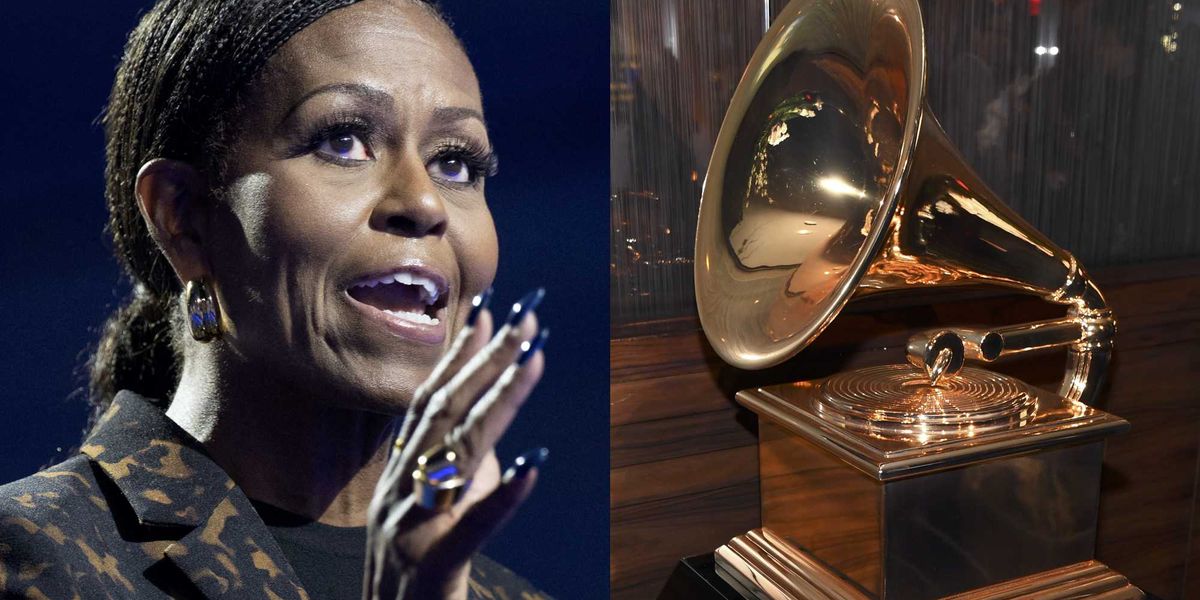
The latest Grammy nominations are drawing attention for all the wrong reasons, with critics zeroing in on a list that looks more like a political statement than a celebration of music. The buzz centers on familiar left-leaning names and themes that keep showing up in entertainment circles, while a growing number of viewers say the whole thing feels painfully out of touch.
There is always room for debate when awards season rolls around, but this year’s reaction has been sharper than usual. People are noticing the same pattern: elite cultural institutions rewarding the same ideological lane again and again, then acting surprised when regular Americans roll their eyes.
The controversy does not stop at the nominations themselves. The bigger issue is the message that gets sent when major entertainment brands keep elevating figures tied to political activism while pretending the process is pure, neutral, and all about artistic merit.
That tension is exactly why the reaction has been so strong. Music fans are not dumb, and they can spot a stacked deck when they see one. When a show that is supposed to honor creativity starts looking like a highlight reel for progressive branding, it loses credibility fast.
Michelle Obama’s continued presence in high-profile entertainment and award spaces only adds fuel to the fire. For plenty of viewers, her name has become part of a broader pattern where celebrity, politics, and cultural influence all blend together in a way that feels choreographed to push one worldview.
That is where the frustration really kicks in. Instead of a straightforward celebration of artists and songs, the Grammy conversation keeps getting tangled up in symbolic gestures, political signaling, and the same polished messaging that dominates so much of Hollywood.
Even the broader language around the event has taken on a familiar tone. Anything that hints at dissent or populist pushback gets treated like a problem, while establishment-approved voices get treated like they are automatically the serious ones. It is a neat little system, and it is getting harder for people to take it seriously.
The “No Kings” angle has only sharpened the divide. What some in the entertainment world frame as enlightened activism often comes off to everyday Americans as smug performance, especially when it is packaged by institutions that rarely face real consequences for being badly out of touch.
That disconnect matters because award shows survive on public interest, not just industry applause. If viewers believe the nominations are driven by politics first and talent second, the whole thing starts to feel like theater for insiders instead of a real cultural event.
None of this is a mystery. The entertainment world has spent years drifting further from mainstream America, then acting shocked when audiences stop buying the act. The Grammy backlash is just the latest reminder that people can tell when a celebration of music has been turned into a messaging machine.
What makes the situation especially awkward is that the industry keeps trying to sell itself as inclusive while rewarding the same narrow crowd of approved voices. That gap between the marketing and the reality is where the anger builds, and this year’s nominations poured gasoline on it.
The whole mess also says something bigger about the state of pop culture. When awards lose their sense of fairness, they stop feeling prestigious and start feeling pre-packaged, like the winners were picked long before the public ever tuned in.
So the outrage is not really about one night on a stage. It is about a culture that keeps leaning left, keeps celebrating its own certainties, and keeps wondering why so many Americans are tuning out with a shrug and a smirk.
