
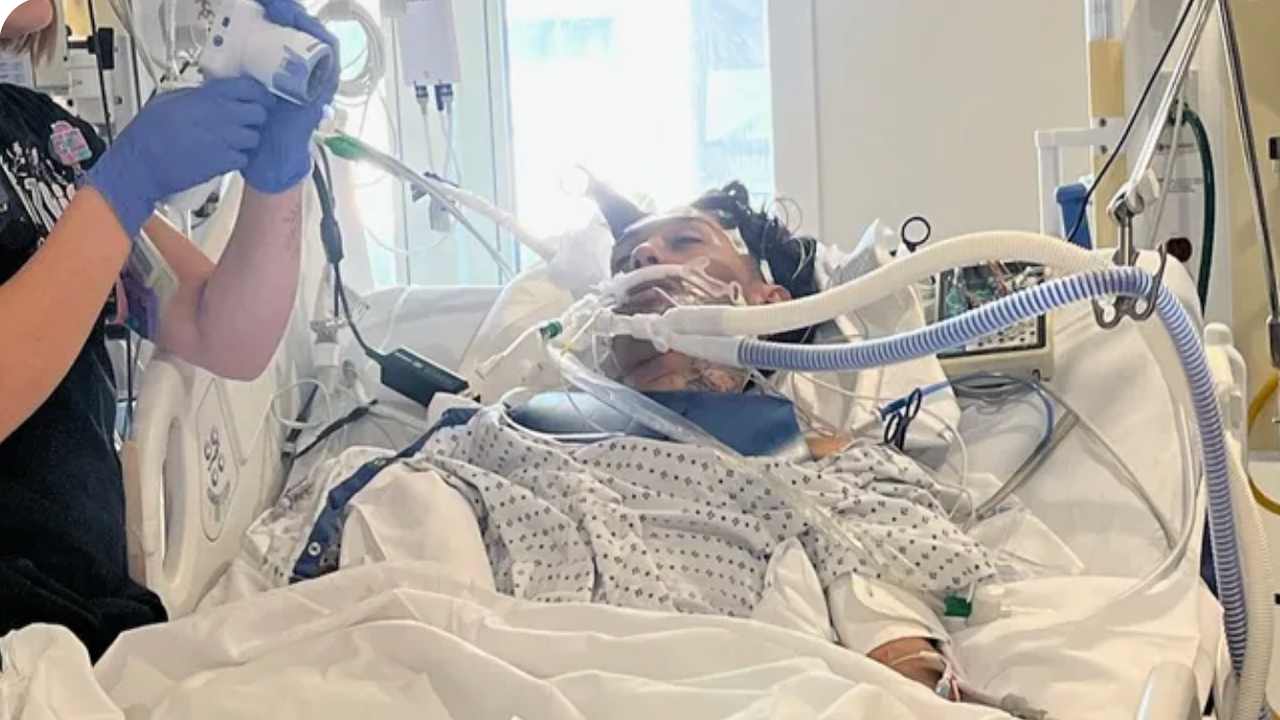
Health officials in North Carolina are once again warning about a rare but brutal freshwater infection after a teenager died from the so-called brain-eating amoeba just days after an 8-year-old girl in Louisiana died from the same threat. The illness moves fast, the early symptoms can look ordinary, and once it takes hold, the outcome is often devastating.
Naegleria fowleri is a single-celled amoeba that lives in warm ponds, lakes and rivers, especially when water temperatures stay high for long stretches. The infection it causes is called primary amebic meningoencephalitis, or PAM, and it carries a mortality rate that is close to 100%.
The North Carolina teen’s first warning sign was severe headaches, according to a message shared by his mother. Health officials said the case is a painful reminder that even though the infection is rare, it is still present in the state and across the country.
The amoeba does not make people sick by swallowing contaminated water. The danger comes when water is forced up the nose, such as during jumping, diving or other water activities that send freshwater deep into the nasal passages.
That is why hot, stagnant water can be especially risky. When lakes and ponds warm up and rainfall is limited, the organism can thrive, creating the kind of environment that doctors and epidemiologists keep warning about during the hottest parts of the year.
Dr. Jeffrey Kahn said the infection is rare, but the seriousness is hard to overstate. “Once that happens, it’s nearly a lethal disease,” he warned. “The mortality rate is close to 100%.”
Early symptoms usually show up about five days after exposure, though they can appear as soon as one day later or as late as 12 days. At first, the illness can look like a bad virus or a rough migraine, which makes it even easier to miss.
Headache, fever, nausea and vomiting are among the earliest signs. As PAM advances, the patient may develop confusion, slurred speech, stiff neck, disorientation, hallucinations, seizures and eventually coma.
That fast slide is part of what makes the disease so frightening. “The initial symptoms are actually quite nonspecific – they don’t point to one disease or another – but they can progress very rapidly,” Kahn said.
Doctors diagnose the infection by testing cerebrospinal fluid, usually taken through a spinal tap, and some cases require specialized lab testing. Even with treatment, the disease can move so quickly that by the time the cause is identified, the amoeba may already be deep in brain tissue.
The CDC says most patients die within one to 18 days after symptoms begin, with about five days being typical. That timeline leaves very little room for delay, which is why sudden headache, fever, stiff neck or vomiting after freshwater exposure should never be brushed off.
Prevention is the best defense, and it starts with knowing where the risk is highest. Doctors recommend avoiding warm freshwater when possible, especially in stagnant lakes and ponds during the summer, and using added protection like a nose clip if swimming in those waters.
Simple habits can also help. Keeping the head above water, avoiding stirring up sediment at the bottom of lakes or rivers, and being careful with diving and water sports can lower the chance that contaminated water gets pushed into the nose.
People also do not need to worry about catching the infection from another person. Drinking contaminated water is not considered a risk, and the illness does not spread from person to person, which makes the nasal route the key danger to remember.
When infection is confirmed, treatment can include drugs such as amphotericin B, azithromycin, rifampin and miltefosine, along with other aggressive medical care. Even so, doctors stress that once the amoeba reaches the brain, the disease is extraordinarily hard to stop, which is why those first warning signs and that first trip to the water matter so much.
