
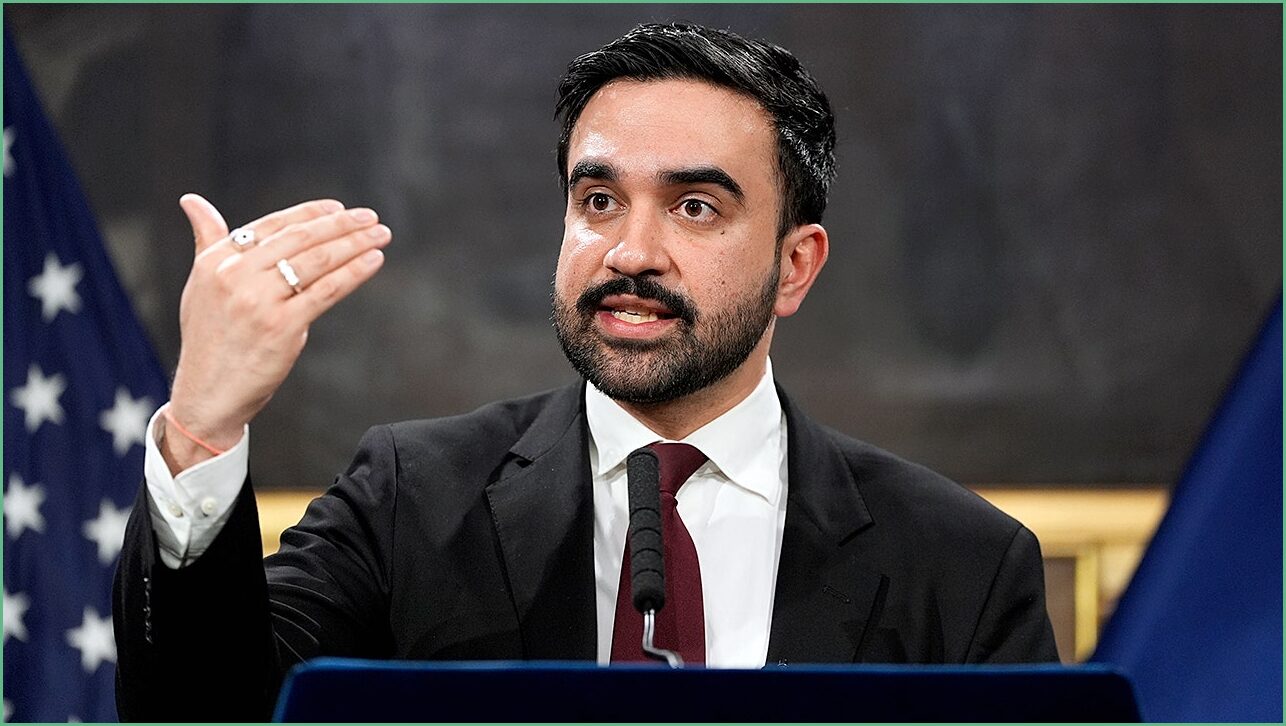
New York City’s new preliminary $127 billion budget and a projected $5.4 billion gap have set off a debate over whether Mayor Zohran Mamdani will push a large property tax increase, possibly up to 9.5 percent. This piece argues that leaning on property owners and small businesses is the wrong path, and that responsible Republican-style governance should focus on spending discipline, operational efficiency and pro-growth solutions instead of turning homeowners into a fiscal safety valve.
The mayor’s budget outline puts millions of residential and commercial property owners on notice about higher bills ahead, and that prospect is deeply concerning. For a city already strained by high living costs and an uncertain business climate, a near double-digit property tax squeeze would be damaging. Policy choices now will shape who stays, who leaves and how many jobs the city attracts.
Property levies are blunt and regressive tools that do not track someone’s ability to pay, and that makes them particularly unfair in a dense urban economy. Long-term homeowners on fixed incomes, first-time buyers trying to build equity and small shop owners with thin margins all face the same assessment regardless of cash flow. Pushing more costs onto those groups risks higher rents, shuttered small businesses and a stubborn exodus of middle-class families.
FREE BUSES, REAL COSTS. INSIDE MAMDANI’S SOCIALIST DREAM TO SHAKEUP TRANSIT FOR NEW YORKERS This headline captures a larger tension between grand promises and practical trade offs, because expansive programs require concrete funding sources. If cutting checks without cuts in other areas becomes the norm, the city will have fewer options than leaders claim. Voters deserve honest budgeting that matches ambitions to balance sheets.
The mayor reportedly calls a property tax increase a “last resort” or a lever to force Albany to tax the wealthy and corporations, but that framing does not erase the harm. Bargaining with other government layers is normal politics, yet using property owners as leverage risks destabilizing neighborhoods. When landlords pass higher taxes through to tenants, the result is inflationary pressure on housing costs citywide.
This proposal is not rooted in an emergency the likes of which prompted the last major property tax changes, but in a political impasse and policy choices. New Yorkers know the city can tighten its belt and find efficiencies without immediately resorting to broad tax hikes. Fiscal brinkmanship that penalizes ordinary residents for political fights in Albany is bad government and bad economics.
Supporters will argue the city lacks unilateral authority to raise income or corporate taxes, pushing property levies into the spotlight, yet that is a weak defense of spending plans that balloon unchecked. Governor Kathy Hochul has already stepped in with state aid that cut the shortfall, calling into question the narrative that dramatic tax hikes are unavoidable. Labeling the gap “historic” is a political turn, not proof property owners must pay the price.
Instead of increasing taxes on Main Street, City Hall should target waste, streamline operations and scrutinize low-priority spending inside a $127 billion budget. A conservative approach emphasizes trimming bureaucratic bloat, improving procurement and redirecting resources to services that actually grow the economy. Those steps protect taxpayers while preserving core functions and public safety.
‘ZOHRANOMICS’: NYC MAYOR ZOHRAN MAMDANI’S SOCIALIST MATH DOESN’T ADD UP City leaders should be judged on whether their math holds up and whether their policies attract or repel investment. A pattern of higher costs and heavier regulation drives businesses and talent to friendlier markets, where state and local governments compete on reasonable tax regimes. New York cannot afford policies that accelerate a migration already underway.
Raising property taxes would send the wrong signal to families deciding whether to plant roots and to companies weighing expansion or relocation. Cities succeed when they create an environment that rewards entrepreneurship, reduces unnecessary burdens and encourages housing supply. Conservative stewardship means promoting growth, cutting red tape and making sure the city lives within its means.
Mayor Mamdani should return to budget talks with City Council, stakeholders and state leaders and pursue pro-growth alternatives that avoid treating property owners as fiscal scapegoats. Wealth taxes and steep property increases should be off the table, especially when targeted spending reforms and efficiency gains remain on it. The immediate task is pragmatic fiscal leadership that protects middle-class New Yorkers and keeps the city competitive.
