
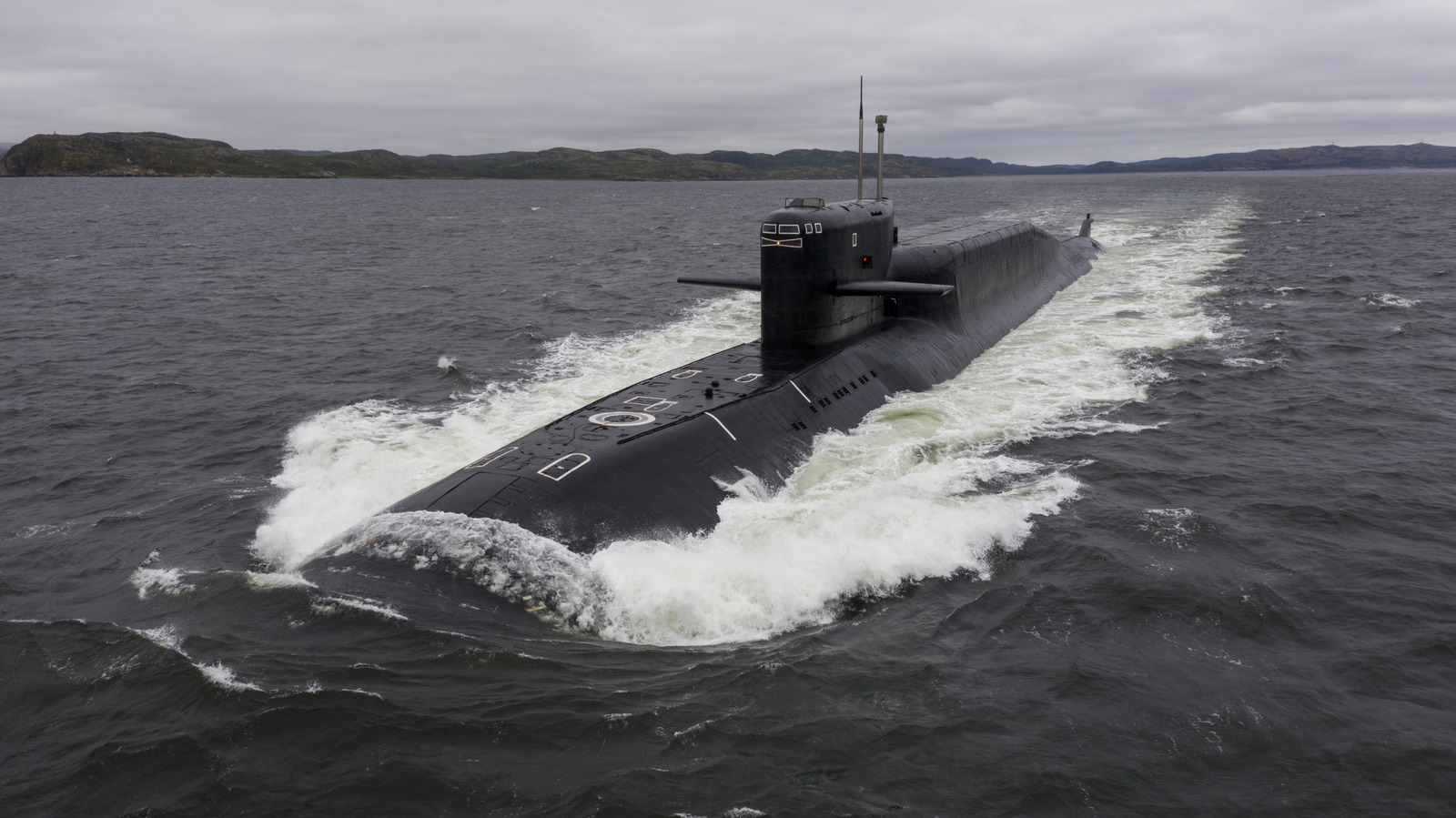
After a thorough upgrade and a demanding round of trials, a U.S. Navy submarine that had been sidelined is back in active service, ready to rejoin the fleet. This piece walks through what changed, how the ship was tested, what that means for sailors who will operate her, and why that return matters to naval readiness. Expect plain language, concrete details, and an emphasis on capability and reliability.
The submarine returned to service after receiving targeted upgrades aimed at improving survivability and mission flexibility. Engineers focused on modernizing critical systems to keep pace with evolving threats while preserving the boat’s proven strengths. With systems refreshed and faults corrected, the platform can meet current operational demands more effectively.
Upgrades touched several key areas that directly affect performance undersea and at sea. New sensors and signal-processing software sharpen the sub’s ability to detect and classify contacts at greater ranges and with better fidelity. Improvements in combat systems and data links let onboard teams make faster, more accurate decisions in complex tactical environments.
Propulsion and power systems also saw attention to reduce acoustic signature and enhance endurance on station. Work on bearings, shafts, and noise-reduction components helps keep the submarine stealthy, which is crucial for missions that rely on remaining undetected. Energy management upgrades extend the time the vessel can operate between maintenance periods and allow it to support longer, more demanding taskings.
>The post-upgrade return to service was validated through a full series of trials designed to push the platform across its operating envelope. Sea trials checked speed, maneuverability, and submerged handling while systems tests exercised sensors, weapons interfaces, and communications under realistic conditions. Faults discovered during trials were addressed before the vessel was declared fully mission-capable, ensuring the crew takes over a ship that performs to expectations.
Crew training ran alongside hardware work to ensure sailors could exploit new capabilities from day one. Hands-on time with updated consoles, tactics practice in simulated scenarios, and integrated exercises with surface and air units built confidence and proficiency. The combined focus on people and kit is the reason these overhauls translate into real operational benefits rather than just technical checkboxes.
Bringing a proven submarine back online delivers immediate operational returns compared with building a new hull from scratch. An upgraded vessel returns to the order of battle faster and at a fraction of the cost of new construction, helping commanders sustain presence in critical areas. That cost-effectiveness matters when fleet planners juggle limited shipyards, budgets, and competing modernization priorities.
From a strategic view, upgraded platforms increase options for commanders and act as a credible deterrent by maintaining persistent undersea capability. A quietly capable submarine complicates an adversary’s calculations and protects key maritime approaches, sea lines of communication, and deployed task groups. Keeping these boats up to date is central to preserving undersea superiority in contested regions.
Looking ahead, this vessel will begin scheduled patrols and integrate into tasking cycles while maintenance teams monitor system performance to capture lessons learned. Data from early missions will feed follow-on adjustments and inform upgrades on sister ships across the fleet. The goal is simple: keep the platform reliable, make the crew lethal and safe, and ensure the Navy can count on the boat when it matters most.
