
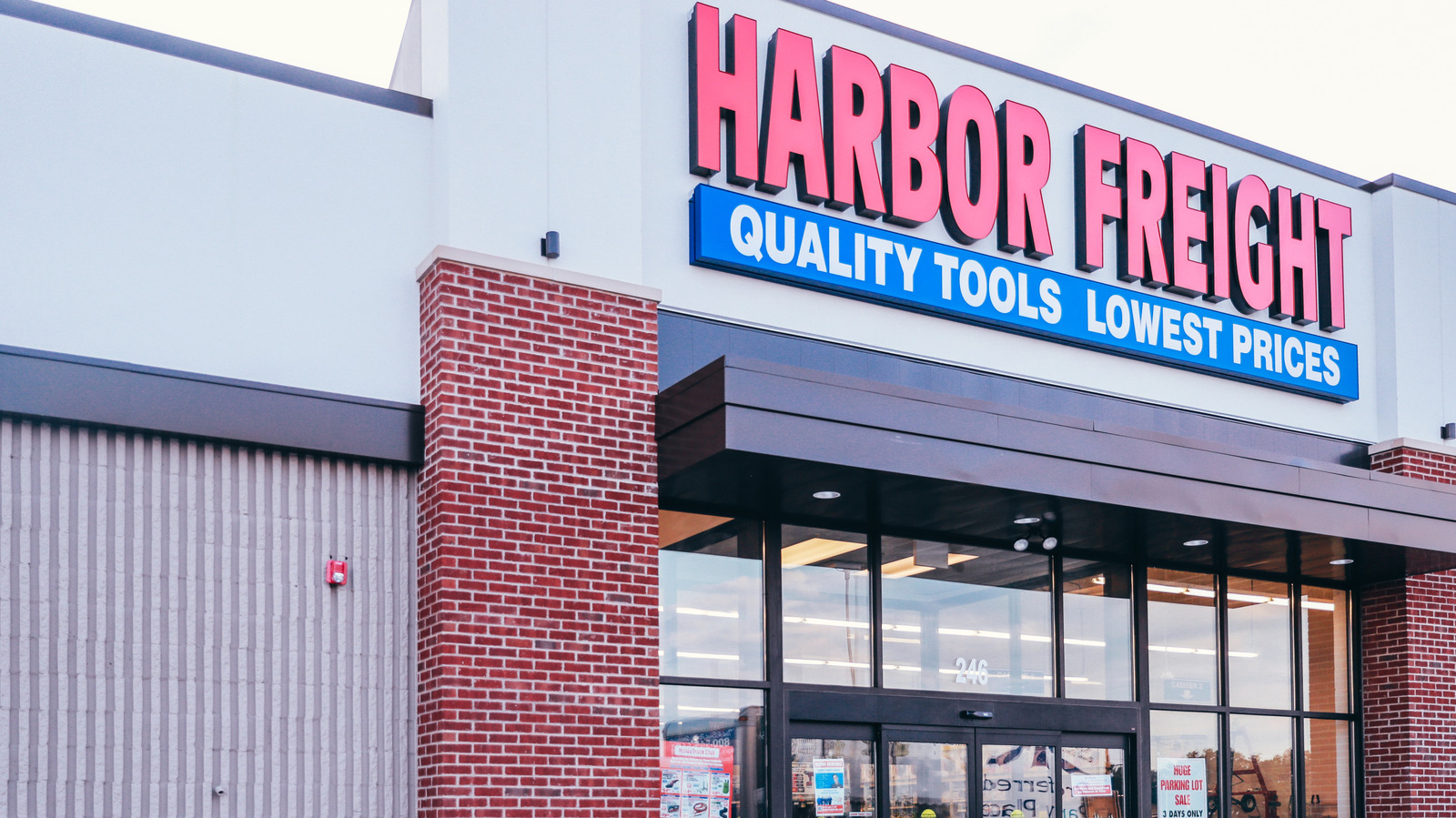
Harbor Freight is known for low prices, but the store also carries higher-ticket gear that surprises people; this article explores why pricier items appear on its shelves, what to expect when buying them, and how to decide if they’re right for your shop or garage. You’ll get a look at product categories where prices climb, the balance between cost and build, warranty realities, and practical buying tips to avoid regret. The goal is a clear, no-nonsense guide so you can shop smarter whether you’re after savings or something more capable. Expect straight talk about value, performance, and the tradeoffs that matter.
High-priced items at value chains exist for a simple reason: demand. Professionals and serious hobbyists sometimes need features and capacities that cheap gear can’t provide, and retailers respond by stocking upgraded versions. Those items often use better components, bigger motors, or thicker steel, and they command a premium compared with the basic models. Recognizing the difference helps you target purchases where the extra money actually buys performance.
Not every expensive item equals top-tier performance, though. Brand name, manufacturing origin, and engineering design all play into the final product, and markup strategies vary from store to store. At Harbor Freight you’ll find private-label gear alongside licensed brands, and the same price point can hide different levels of refinement. That’s why a microscope view on specs and construction is more useful than a sticker price alone.
Look closely at motors and drivetrains if you’re evaluating heavy tools, because those components wear fastest under real use. Cast iron housings, sealed bearings, and thicker gears usually indicate a tool built to last, while thin stamped parts and open bearings are signs of budget engineering. If a tool’s performance depends on torque or continuous duty, prioritize mechanical durability over flash features. A modestly higher cost up front can save time and money over repeated replacements.
Warranties matter, but so does the fine print. Some higher-priced units at discount retailers still come with shorter or more limited coverage than comparable full-line brands. Return policies, in-store support, and access to replacement parts are equally important and often overlooked. Before you hand over cash, check how repairs are handled and whether replacement parts are available through third parties if the original path closes down.
Accessories and bundled extras can push a price tag up, and sometimes the added pieces deliver real value. Look at tool systems—battery platforms, compatible attachments, and consumables—and decide whether the ecosystem will save you money in the long run. If the expensive model simply bundles throwaway items you won’t use, it’s a less compelling buy. Conversely, a smart bundle can reduce total spend if it replaces separate purchases.
Comparing real-world reviews is essential when assessing higher-tier items at discount outlets. Product pages and spec sheets tell one story, but independent tests and user reports reveal how things hold up under daily workloads. Pay attention to reports of repeated failures, common weak points, and the nature of warranty experiences. Patterns in feedback are far more informative than a single glowing or negative review.
Timing your purchase can also change the value equation. Seasonal sales, factory overstock, and clearance events sometimes bring pricier models into an exceptional value range. If you can wait and monitor prices, you might land a heavy-duty machine at a dramatically reduced cost. Plan purchases for when demand is lower and you’ll stretch your dollars further without compromising capability.
Consider resale value and upgrade paths when you pick expensive gear. Tools that hold value, are easy to service, and accept upgrades repay part of their purchase if you sell or trade up. Conversely, one-off models with proprietary parts often sink in resale markets, leaving you stuck when needs evolve. Choose items that fit both today’s tasks and a plausible future scenario.
Buying big-ticket items at a discount retailer is a decision about risk and reward: you can get very capable machines for less, but you must be deliberate. Inspect construction, research common failure modes, compare warranty terms, and think about the long-term ecosystem before committing. With the right approach, you can find gear that punches above its price and keeps working when you need it most.
