
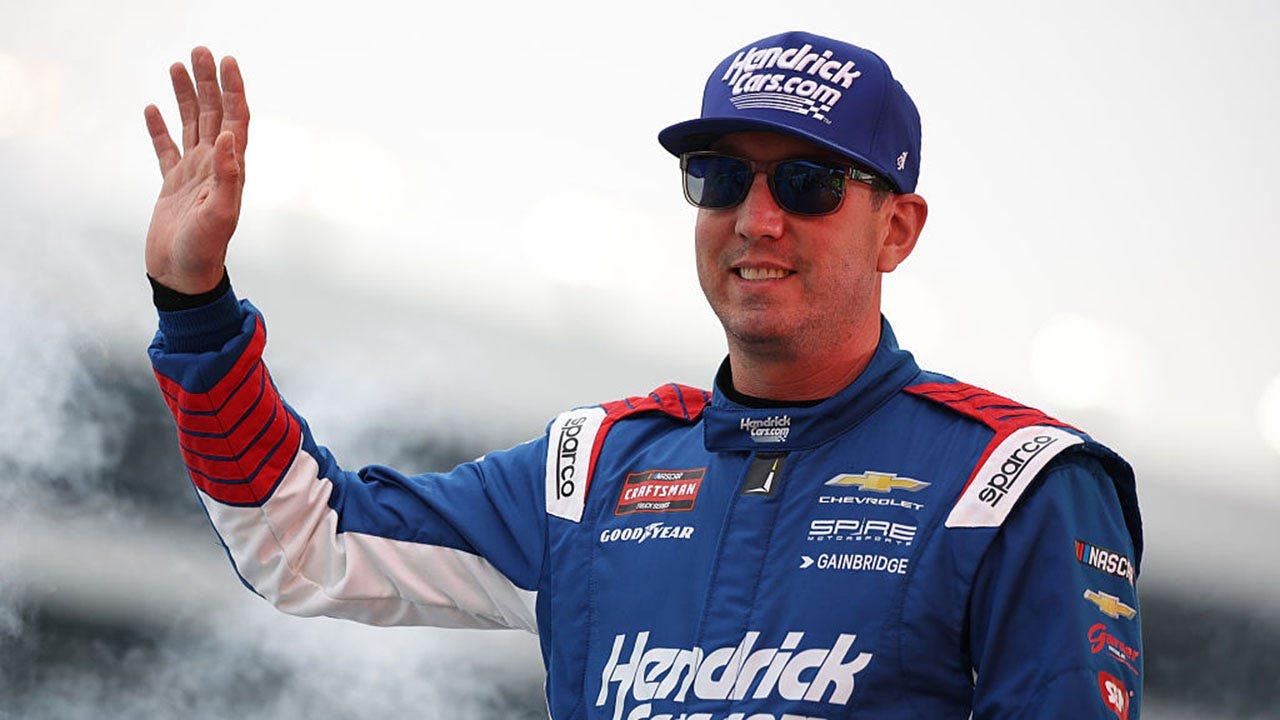
The roar at Charlotte softened into a steady, respectful hum as the NASCAR community paused to remember one of its own, with the Truck Series and O’Reilly Autoparts Series each taking time to honor the late driver before their races. Teams, pit crews, drivers and fans found small, personal ways to say goodbye, turning race day into a shared moment of reflection and tribute. The track felt less like a competition for a few hours and more like a place holding a collective memory.
The NASCAR world pays tribute to Kyle Busch at Charlotte, with the Truck Series and O’Reilly Autoparts Series honoring the late driver before their races.
At the heart of the weekend, the series that bookended many careers stepped forward to acknowledge loss and legacy, and those gestures mattered. Drivers exchanged nods in the garage and crews adjusted liveries and helmet stickers to carry simple messages, keeping the focus on respect rather than spectacle. It was a reminder that motorsport habits—fast pit stops, calculated aggression, comedic banter—pause when the community needs to grieve together.
Fans in the grandstands joined in, holding banners and applauding moments of silence, turning their energy into a steady, warm presence rather than loud cheers. Social media filled with memories and short clips of racing moments that brought smiles and tears, a digital mosaic that mirrored what was happening at the track. What might have been a typical race weekend was instead marked by repeated acknowledgements of a person whose impact reached beyond lap times.
Teams used small but meaningful touches to show their respect, with decals and commemorative gear appearing throughout the paddock and on cars when possible. Those visual cues helped focus attention during pre-race ceremonies and inside the cramped spaces where the real work happens, and they allowed mechanics, strategists and support staff to express their sentiments without interrupting operations. The gestures were practical and personal, which suited the culture of a sport that prizes both precision and personality.
Veteran drivers shared recollections in brief interviews, balancing the competitive focus required on race day with a softer tone when discussing the departed. They spoke about shared seasons, wheel-to-wheel battles, and the kind of rivalry that evolved into mutual respect over time. Those short remembrances painted a picture of a driver who mattered not just for wins and losses but for the mark left on fellow racers and on-track theater.
Race officials and series organizers kept the process dignified and simple, arranging moments for fans to participate and for teams to coordinate their tributes. The structure ensured the weekend continued on schedule while preserving space for remembrance, a careful choreography that respected both the sport and the moment. Even amid the rhythm of engines and announcements, those moments of quiet landed with weight.
In the stands and in the paddock, stories about the driver circulated—tales of bold moves, late-lap heroics and behind-the-scenes quirks that don’t make highlight reels but stick in memory. Those anecdotes reshaped the usual race chatter into something more thoughtful, and they turned the weekend into a living archive of a career that meant a lot to many people. There is an unmistakable power in shared storytelling, especially when it happens where the memories were made.
Tributes at Charlotte underscored how sports can be both a competition and a community, where even fierce rivals step out of the heat to honor someone who shaped the sport. The Truck Series and O’Reilly Autoparts Series set the tone, and the rest of the weekend followed, with respect showing up in small actions across the venue. Racing carried on, but it did so with a quieter, more reflective heartbeat.
The track’s routine returned as laps resumed and strategy unfolded, but the weekend left a thread of remembrance stitched through the events, visible in conversations, liveries and the cadence of applause. For those who were there, Charlotte became a meeting place for grief and admiration, and for a handful of hours the focus shifted from beating the clock to honoring the person who once lived for beating it. The day moved forward, holding those memories in the momentum that defines racing.
