
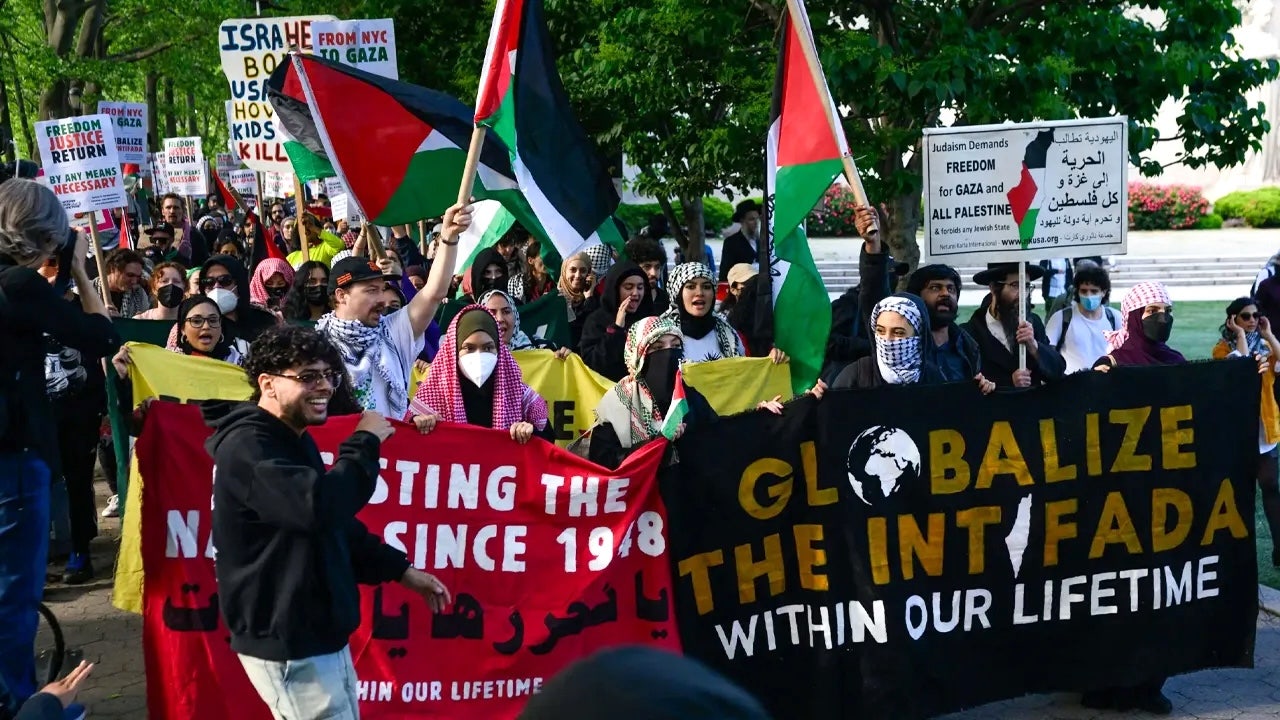
I grew up Arab and Muslim and I have tried to make sense of the Boycott, Divestment and Sanctions movement. I keep finding a gap between its rhetoric and the realities of modern life. This piece argues that consistent principles matter more than performative protests and that engagement, not isolation, offers a path to better outcomes.
I am an Arab. I am a Muslim. I have spent years trying to understand the movement that calls itself BDS and I still struggle to see how it helps anyone. I know the pain and the grievances on all sides, but principle without practicality can hurt the very people it claims to defend.
Here is the uncomfortable reality BDS rarely admits. If you were serious about boycotting everything Israel has contributed, you would have to give up large parts of everyday life like advanced medicines, certain agricultural tech and navigation systems. That level of consistency would be costly in ways activists rarely acknowledge, and it exposes BDS as more theatrical than practical.
FORMER VICE PRESIDENT MIKE PENCE: FIVE YEARS ON, THE ABRAHAM ACCORDS STILL POINT THE WAY TO PEACE SIGN UP FOR ANTISEMITISM EXPOSED NEWSLETTER These phrases land loudly in public debate, but the debate needs to move beyond slogans. We should focus on policies that improve lives rather than gestures that leave people worse off.
Too often the movement targets symbolic acts. People will boycott an Israeli chef or refuse a stage with an Israeli academic while still using the phone that steers their car and the medicine that heals their child. That contradiction matters because it reveals a choice between moral posturing and real world responsibility.
As someone from the Arab world, what hurts most is the demand that we turn away from useful technology and expertise because of where it was developed. BDS asks communities to reject irrigation that could green farms and medical advances that could save lives, and that is a bitter pill for families trying to survive. Rejecting what works in the name of politics leaves ordinary people in the lurch.
Since the Abraham Accords I have met Israelis who want to trade, to build and to coexist. I believe honoring the Palestinian people means pushing for leaders who prefer negotiation over slogans and prosperity over impoverishment. Poverty and isolation do not advance the cause of peace, they make conflict more likely and suffering deeper.
Peace also faces real organized opposition. The Muslim Brotherhood, which spawned modern Islamist extremism, was expelled from many of our countries because it fuels chaos and undermines stability. From Sudan to parts of Europe, those of us who confronted that movement know the danger, and Western nations should listen to voices who fought it successfully at home.
If you choose to boycott, then be honest about the cost and the trade offs. Put down the phone, the medicine, the car and the salad before you call it principle, and then we can talk. The rest of us will be busy building pragmatic partnerships that lift lives and expand opportunity.
