The country marks its 250th birthday with polls showing a crisis of civic confidence, sharp partisan divides over patriotism, and troubling doubts about the union’s future; yet a core of Americans still values elections and founding ideals, leaving room to heal if citizens choose to act on those shared commitments.
The raw numbers are jarring. Only 30 percent of Americans say the United States is the greatest country in the world, while 77 percent expect political violence to rise and 38 percent doubt the nation will remain a single country a century from now. Those figures should unsettle anyone who loves this republic.
Partisanship slices pride like a razor. Sixty-two percent of Republicans call America the greatest, compared with just 11 percent of Democrats and 20 percent of independents. That gap makes clear this is no longer merely a policy dispute but a battle over identity and allegiance.
“America reaches its 250th birthday not as a confident republic, but as an anxious one.” The wording is blunt because the situation is blunt: rituals are intact, but belief in the common story is fraying in plain view.
People disagree about what the anniversary means. Seventy percent say observing the 250th matters, but only a third expect to take part in events, and a majority doubt those celebrations are nonpolitical. When civic rituals look like campaigns, fewer citizens show up and fewer feel the bond they once felt.
The Fourth of July itself is already sorted by party. Forty-two percent of Americans describe it as a day to celebrate the United States, but that answer is chosen by 65 percent of Republicans and only 24 percent of Democrats. Meanwhile, roughly a quarter of Democrats and independents say they won’t celebrate at all, compared with single-digit percentages of Republicans.
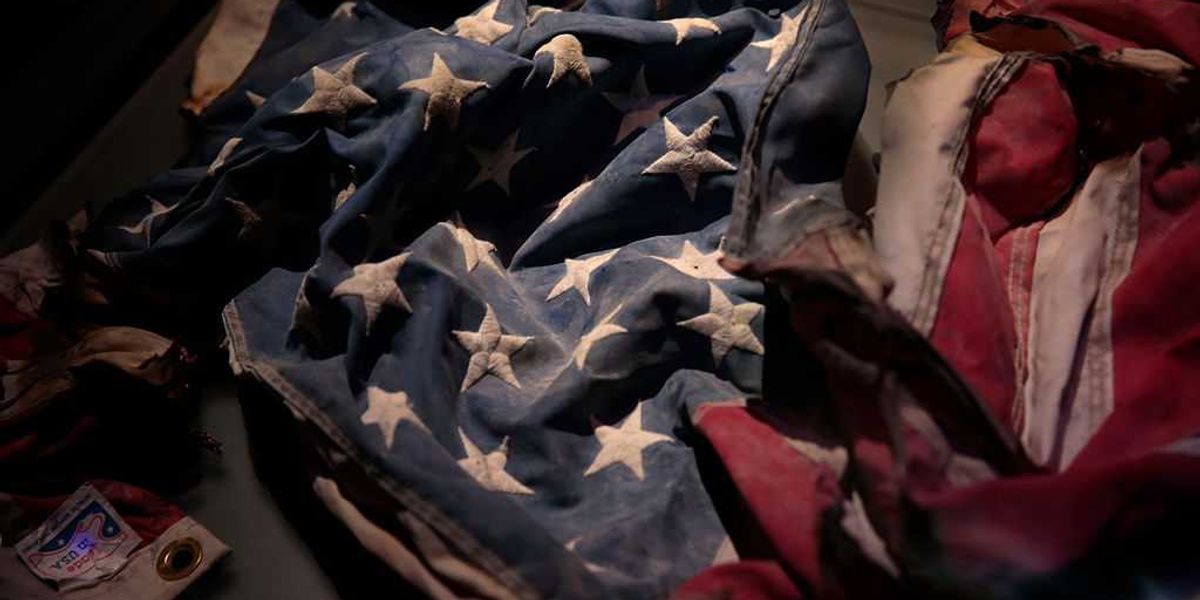
Flags tell the same story, with 41 percent overall planning to display one this year, yet 64 percent of Republicans and only 27 percent of Democrats saying they will. A flag should not require a party registration. Neither should gratitude, but partisan signals have crowded out simple appreciation.
Recent polling trends add to the alarm. Pride in being American has fallen steeply from its post-9/11 peaks, with surveys showing major drops across the last decade. Republicans remain overwhelmingly proud, while Democrats and independents show far weaker attachment, and that split has only widened in recent years.
The more painful diagnosis is institutional: the presidency has become a stand-in for the nation. When your team controls the White House, it’s easier to love the country; when the other side wins, symbols start to look like campaign paraphernalia. That confusion corrodes the ability to distinguish between administration and country.
There are reasons for cautious optimism. Large majorities still value elections even when their side loses, say democracy is the best form of government, and believe the 250th anniversary deserves commemoration. Many Americans want the holiday to prompt reflection on founding beliefs, which means civic language is not dead—just scarred.
Wounded nations can heal if citizens choose repair over contempt. Political leaders and voters alike should stop treating loyalty to a president as the same as loyalty to the republic, and resist the urge to measure patriotism by party lines. This country survives because people keep loving and correcting it, not because they pretend everything is perfect.
That choice is still open. If Americans recognize the wound and act like citizens rather than faction members, the rituals of July Fourth—fireworks, flags, cookouts, and songs—can mean more than performance. The question now is whether enough people will show up not to cheer a candidate, but to remember and protect the principles that made this experiment worth defending.