
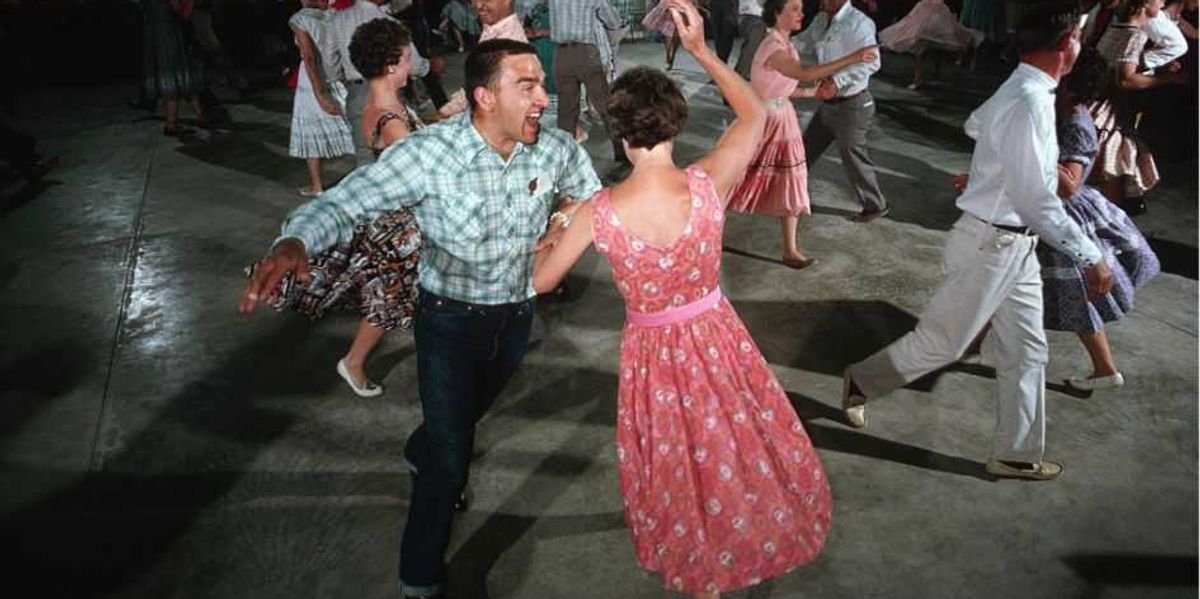
A recent national survey found that nearly half of Americans say the fun has faded from their lives, and many blame money. This article looks at why that excuse doesn’t tell the whole story and offers simple, low-cost ways to reclaim enjoyment. It argues that community, shared time, and small rituals often beat expensive spectacles when it comes to feeling happier and more connected.
Start with the headline: people who make time for enjoyment report less stress, stronger relationships, and more energy. The survey points to money as the top reason for skipping fun, but the reality is messier. Too often we confuse the appearance of fun with the feeling of it, and the former is what costs a lot.
Social media and reality shows have trained us to equate good times with expensive displays and staged memories. When every vacation, meal, or laugh needs to be documented and sequenced for likes, the pressure to spend grows. That version of leisure is exhausting and rules out a lot of everyday pleasures.
For most of human history, fun was local and built around people, not purchases. You didn’t need a reservation to enjoy a backyard evening with neighbors, and those nights left you refreshed. Replacing connection with consumption has drained both wallets and spirits, and the fix is often simpler than we think.
A backyard cookout is a perfect example: a few burgers, a shared playlist, a limp folding chair, and the evening transforms. No one’s pretending it’s glamorous, which is precisely why people relax and talk. Those small, ordinary gatherings rebuild ties better than a blowout night that looks good on a feed and feels hollow later.
Game nights are another low-cost win. We’re not talking pristine setups for an influencer photo, but chaotic card games and haggling over house rules. Half the joy is the bickering, the cheating accusations, and the way a lousy rule forces everyone to laugh at themselves.
There’s also something to be said for reviving lost habits: pickup sports, church gatherings, volunteering, even old-fashioned storytelling. These rituals were common once and they still carry a kind of energy you can’t buy. They reintroduce routine social contact and make belonging part of the rhythm of life again.
The outdoors remains one of America’s best bargains: a hike, a neighborhood walk, a pickup basketball game, or a quiet pond for fishing. Even a long drive with friends can do wonders—no destination required, just conversation and music. Compared with most commercial entertainment, the cost is tiny and the payoff real.
Try a “no-spend day” with family or friends and see what creativity shows up. Someone suggests a park stroll, another cooks a weird kitchen experiment, and someone else attempts to teach a dubious skill. Or host a bad movie night where the aim is collective ridicule; laughing together at something awful often beats silent admiration for a blockbuster.
Isolation, not income, explains a lot of the decline in fun. Social circles have shrunk, routines have thinned, and fewer people meet regularly. More money can buy experiences but it cannot manufacture the initiative to call someone, show up, or share an awkward, unfiltered evening.
Money does remove some barriers, but it’s no substitute for effort and presence. Building a life with real enjoyment requires choice: pick up the phone, make a plan, and turn up. When enough people do that, ordinary things become lively again without a pricey ticket or a curated frame.

Universal/Getty Images
Fun still exists; it was crowded out by work, screens, and the myth that everything worthwhile comes with a swipe of plastic. Drop that premise and fun becomes accessible again—no reservation, dress code, or payment plan needed. Make the call, organize a game night, or watch something so bad you all end up laughing instead of scrolling alone.
