
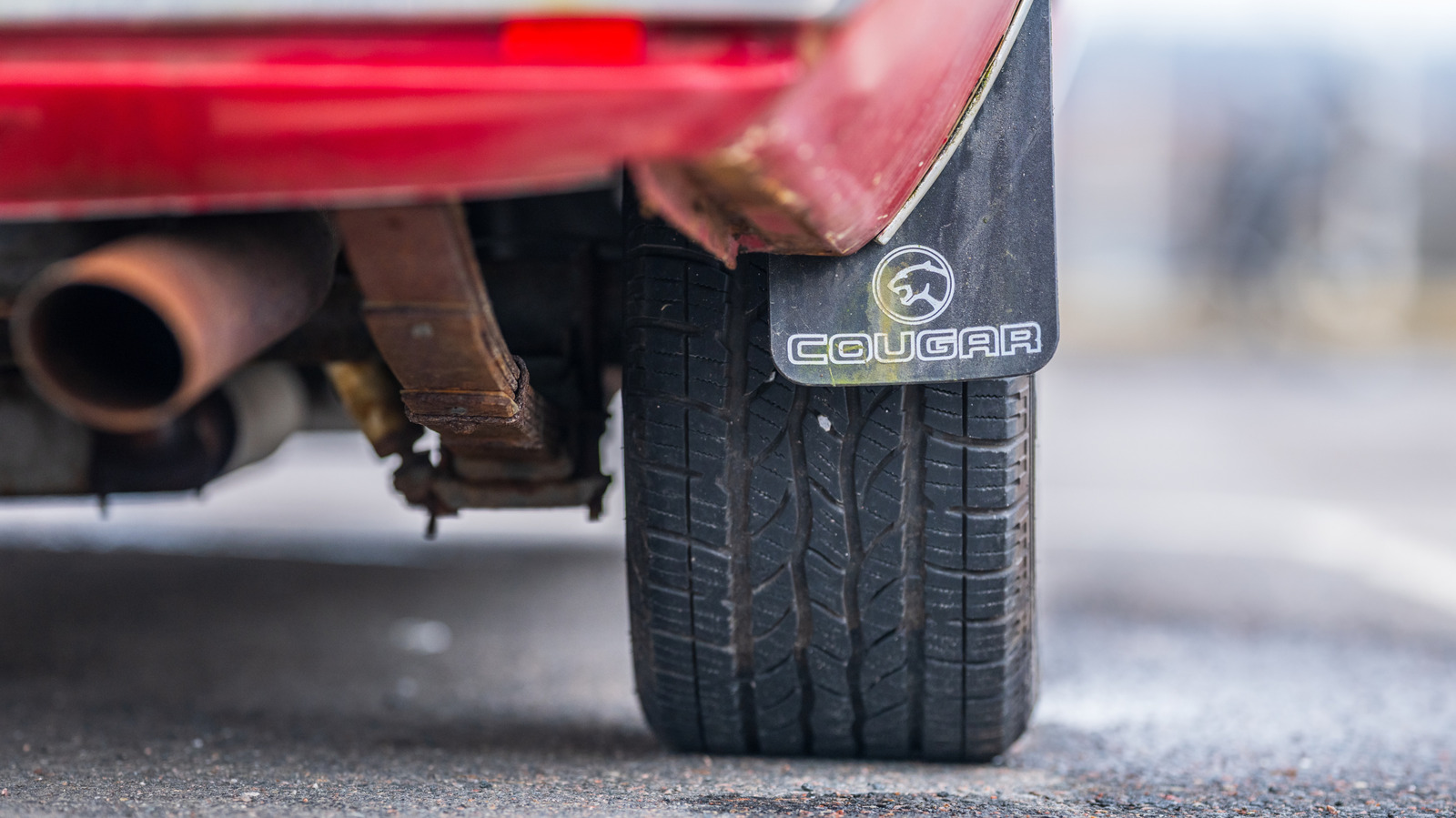
Mudflaps protect wheel wells and the underside of your vehicle while also nudging fuel economy one way or another, depending on design and fit. This piece explains what mudflaps do, how materials and shape affect airflow, the trade offs between protection and drag, and practical tips for picking and caring for the right set. Read on for clear, usable guidance that keeps your ride clean without needlessly costing you MPG.
At their core, mudflaps stop stones, water, and road grime from blasting into body panels and suspension parts. They reduce chips and corrosion by catching debris before it can damage metal or paint. That protective role is why many drivers see mudflaps as an inexpensive form of insurance for long term vehicle health.
Mudflaps come in a few common flavors: soft rubber, heavy-duty rubber, plastic, and molded splash guards. Soft rubber works well on everyday cars because it flexes with wind and bumps, while heavier materials are better on trucks that face larger debris. Some designs include extensions or seals that tuck neatly against the body for extra coverage and less flapping at highway speeds.
Airflow is where fuel efficiency enters the conversation. Any object that interrupts smooth airflow near the wheels can create drag and increase fuel use, especially at higher speeds. Cleverly shaped mudflaps or those mounted close to the wheel can minimize turbulent wake, while oversized or poorly mounted guards can act like mini parachutes and cost you MPG.
Size and placement matter more than most people expect. A narrow, contoured flap that hugs the wheel well will protect paint without catching too much wind, but a broad, dangling flap offers maximum splash protection at the expense of aerodynamics. For highway-focused drivers, lower-profile options or mudflaps designed for reduced drag are often the better compromise.
When choosing, think about your driving habits first. If you mostly commute on paved roads, lightweight or minimal flaps will keep your car tidy and avoid much fuel penalty. If you frequently drive gravel, mud, or salted roads, prioritize robust materials and full-coverage designs, and plan for a small hit to efficiency in exchange for far less body damage and corrosion later on.
Installation and upkeep are simple but important. Mounting points should be secure and evenly spaced so the flap does not vibrate or catch wind; a loose flap is both noisy and worse for fuel economy. Regular rinsing removes salt and grit that eat at mounting hardware, and periodic checks for tears or warping keep the flaps working as intended, saving you repair bills and ugly rust spots down the road.
