
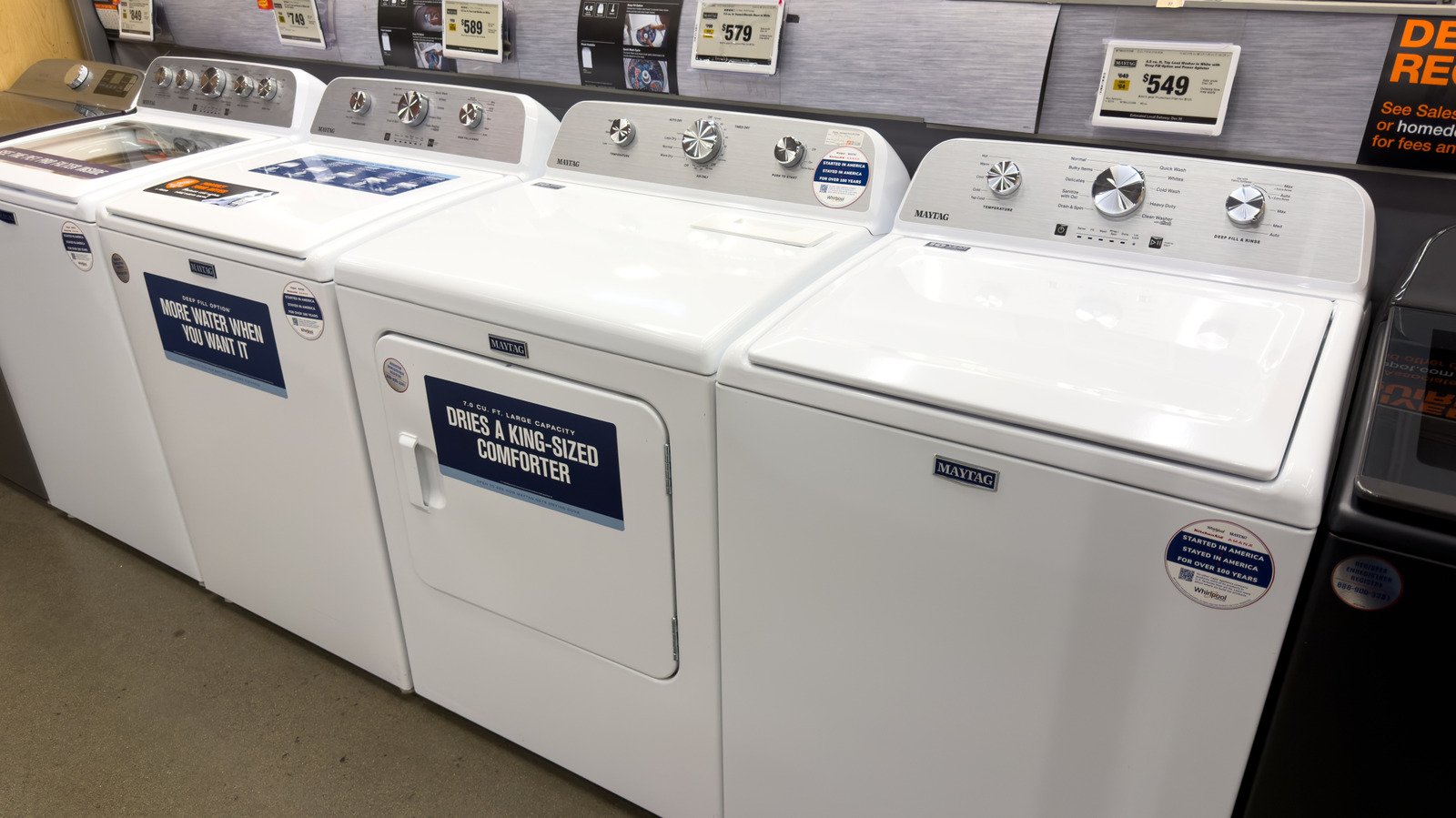
Maytag’s story is simple to state but interesting to unpack: a long‑standing American appliance name that today lives inside a larger corporate family, with manufacturing spread across several countries and a reputation that mixes solid reliability with modern efficiency. This piece walks through where Maytag came from, who owns it now, how its products are made, what that means for shoppers, and practical tips for buying and maintaining a Maytag appliance. You will get a clear, no-nonsense look at the brand and what to expect when you see that logo on a washing machine or dryer. Expect facts, context, and straightforward advice aimed at anyone considering Maytag for their home.
Maytag began as a small business and grew into a household name because of an enduring focus on tough, no‑frills machines that could take a beating and keep going, which won loyalty from generations of buyers. The brand carved out a reputation with heavy‑duty washers and the iconic image of the idle repairman, a marketing line that stuck in the public mind for decades. That legacy still colors how people think about Maytag today, even as the appliance market modernizes and shifts to new technologies and production approaches.
Ownership shifted in the mid‑2000s when a larger appliance company acquired Maytag, folding the brand into a broader portfolio while keeping the logo and product lines active, which changed some things and preserved others. Under corporate ownership, Maytag benefits from shared engineering, distribution, and purchasing power, but it also shares platforms and components with sister brands. In short, Maytag is both its old self in reputation and a modern brand operating inside a bigger industrial machine, which affects design decisions and where parts come from.
These days Maytag products are built in multiple locations rather than a single hometown factory, with production split between domestic plants and international facilities depending on the model, the part, and the supply chain at the time. That means some pieces of a single appliance can originate from different countries before assembly, and final assembly sites can vary across regions. For consumers, that translates to a mixed reality: you can still find Maytag items made in the United States, but many models use components sourced globally to keep costs competitive and to access specialized manufacturing capabilities.
The practical upshot for quality is nuanced: Maytag still aims at durability, especially in lines marketed for heavy household use, and many core design choices emphasize long lifespan and repairability compared with some budget competitors. Technology has crept in with features like smart diagnostics, energy efficient motors, and updated control panels, but the brand often balances modern conveniences with a focus on straightforward mechanics. If you like simple, functional machines with a nod to toughness and a few modern touches, Maytag tends to fit that profile.
When you shop, pay attention to warranty terms, service networks, and spare parts policies because those are where ownership and manufacturing decisions show up for the owner over time. Extended warranties and good in‑home service can be worth the extra cost if you plan to keep a heavy use machine for years, and models that share parts across the corporate family may have better parts availability. Also compare energy ratings and capacity alongside build features like stainless drums, direct drive motors, and simplified control layouts to match the model to your household habits.
For repairs and service, the combined corporate structure often means access to a wide dealer and service network, which is a plus for getting a problem fixed quickly, but it can also mean that independent repair shops will rely on the same global supply chain for parts. Replacement parts are usually available for common wear items, though lead times can vary when components come from overseas suppliers. If long‑term maintainability matters to you, check how easy it is to access replacement parts and whether local technicians regularly service that brand in your area.
Looking ahead, Maytag will likely continue to straddle a line between its heritage as a tough, no‑nonsense brand and the realities of modern appliance manufacturing where global sourcing and shared engineering are the norm, so buyers should weigh reputation against the specifics of model construction and support. If you want a dependable, straightforward appliance with a history of durability, Maytag remains a solid option; if you prioritize fully domestic manufacturing, you will need to inspect model origins and production notes closely before you buy. Either way, understanding who owns the brand, where components come from, and how service is handled will help you make a smarter choice at the showroom or online.
