
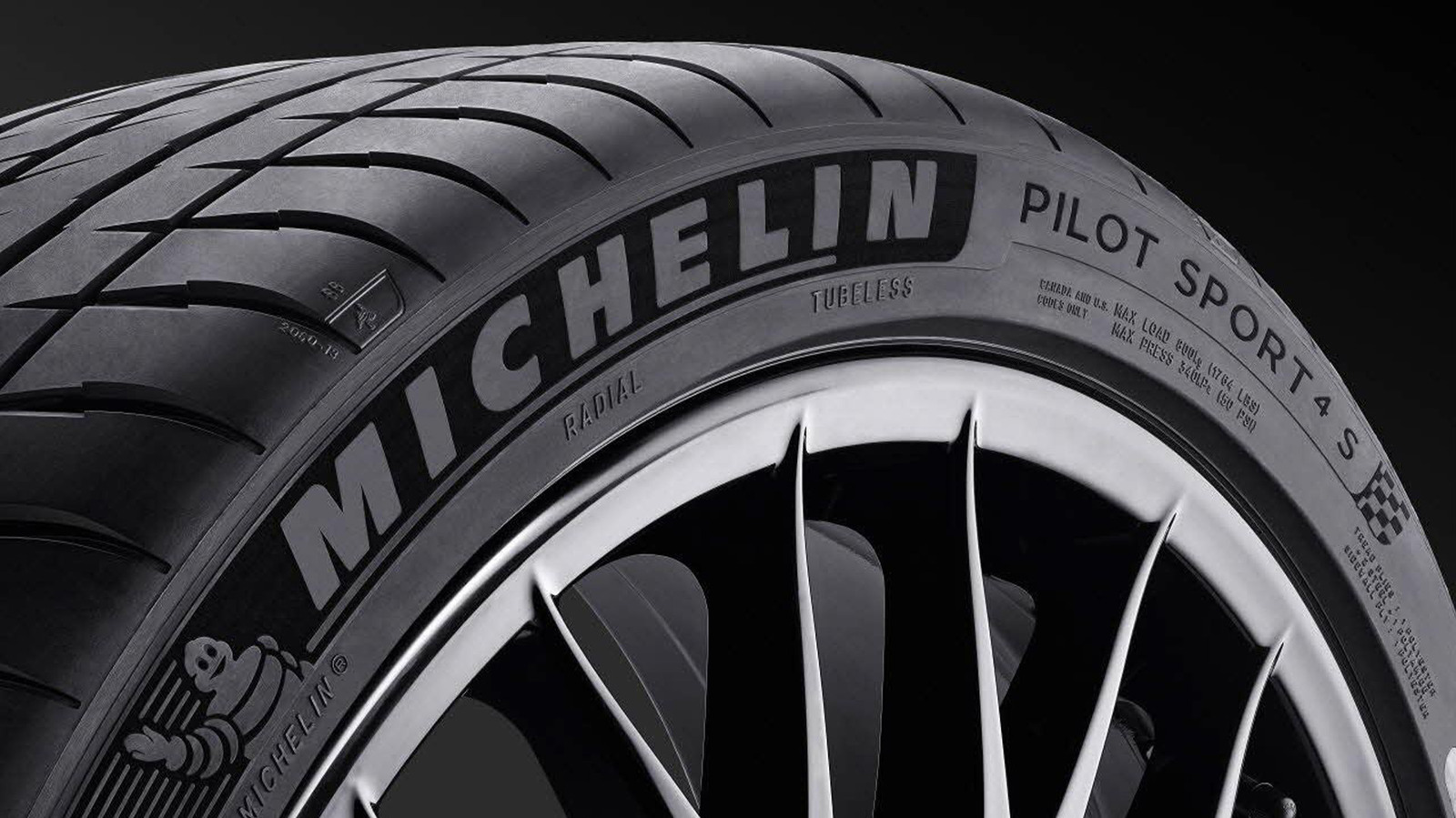
This piece walks you through solid alternatives to the Michelin Pilot Sport 4S when that tire is impossible to find, explaining why they work and which driving needs they match best.
The Pilot Sport 4S set a high bar for grip, steering response, and road manners, which is why so many drivers hunt for it. If supply dries up or the price jumps, you don’t have to sacrifice performance; there are several tires that chase the same balance of dry bite, wet confidence, and everyday manners. I’ll steer you through options that excel on track days, commute duty, or spirited canyon runs without pretending they are identical to the 4S. Think of these picks as tuned compromises—close where it counts, different where it pays off.
If you want something that leans heavily into dry performance and crisp steering, consider a tire engineered for sporty driving rather than outright track rubber. Some contenders use a sticky compound and a stiff sidewall to give predictable turn-in and excellent lateral grip. That setup often costs a bit in ride comfort and noise, but if you prioritize steering feel and cornering confidence, it’s a worthy tradeoff. Look for wear ratings and compound notes to see how long that grip will last under everyday driving.
For drivers who need the safety net of wet traction without killing responsiveness, target tires with asymmetric tread patterns and wide circumferential grooves. These designs evacuate water efficiently while keeping as much rubber on the road as possible during hard cornering. A tire that balances wet braking and aquaplaning resistance with sticky dry grip is the sweet spot for many daily-driven performance cars. Manufacturers that invest in compound chemistry usually deliver this balance better than those that rely on aggressive tread shapes alone.
If affordability and tread life move up your list, some performance all-season options deliver surprisingly good mileage and year-round usability. You’ll give up a slice of ultimate dry grip but win longer service life and usable cold-weather traction. That’s attractive if you drive a daily that sees mixed conditions and you don’t want to swap tires each season. Check real-world owner reports for wear numbers; lab specs can be optimistic compared with actual street miles.
Track-focused drivers who still need street manners should look at hybrid options—tires that borrow a lot from full-on track rubber but keep quieter construction and better ride compliance. These will warm quickly and stay stable at higher temperatures, which is perfect for weekend HPDE and the occasional canyon blast. On the street they can be firmer, but if you value lap-time potential and repeatable limits, the compromise is reasonable. Consider a slightly softer compound for track use and rotate more often to even out wear.
Comfort and noise matter for long commutes, so don’t ignore tires that prioritize damping and quieter tread patterns even in the performance class. Modern touring-performance options can still deliver responsive steering and good cornering while smoothing out bumps and isolating road noise. That approach is ideal for someone who wants a single tire that works on a spirited drive and a long highway stint without getting harsh. It’s also kinder to suspension components over time.
Choosing the right alternative comes down to matching goals: ultimate dry grip, balanced wet performance, long tread life, track-readiness, or comfort. Check load ratings and speed symbols to match your car’s needs, and compare warranty figures where mileage matters. Buying from a brand with good aftermarket support and consistent compound updates makes future replacements less of a lottery. And remember: proper alignment and tire pressure are as important as the tire you pick.
If availability is the immediate problem, widen your search beyond local shops to reputable dealers who ship, and be open to staggered sizes or slightly different speed ratings that fit your vehicle. When swapping brands, give them a few hundred miles of careful driving to bed in and reveal their true behavior. Fitment, balance, and a sensible break-in period will make any of these alternatives feel far closer to the Michelin than you might expect at first glance.
