
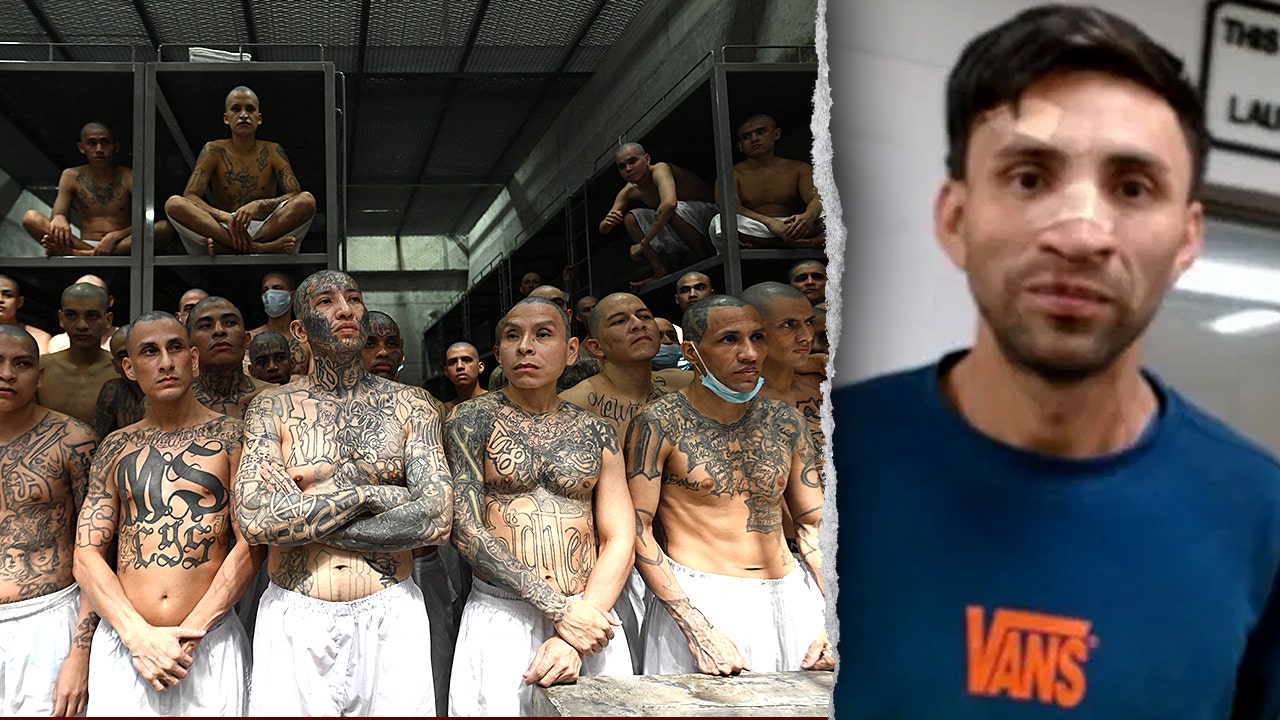
An MS-13 member tied to a brutal murder case is back out of federal custody after a California judge said immigration officials did not give him the kind of individualized hearing the Constitution requires. The decision has triggered a sharp backlash from DHS, with Markwayne Mullin arguing that the release puts ordinary Americans in the crosshairs while sanctuary policies keep creating the same ugly mess.
At the center of the fight is David Antonio Aviles Perez, a man prosecutors say belongs to MS-13 and goes by the nickname “the witch.” Federal authorities had held him for months while removal proceedings moved forward, but U.S. District Judge Jinsook Ohta ruled that the government could not keep him locked up without separately weighing whether he was a danger or a flight risk.
DHS says that call was a mistake with real-world consequences. Mullin blasted the ruling as reckless and said the judge handed freedom to a man wanted for murder, arguing that the public should not have to pay for what he called a courtroom-driven political stunt.
The underlying criminal history is as dark as it gets. According to prosecutors in El Salvador, Aviles Perez was convicted in connection with a 2014 gang killing and later sentenced to 20 years for aggravated murder after being tried outside the country.
That case involved a violent chase in mountainous terrain, where prosecutors say a victim was cornered, forced to kneel, and then shot multiple times. It is the kind of detail that makes the release harder to swallow for critics who say immigration enforcement should never lose sight of basic public safety.
His path back into custody in the United States also raised eyebrows. DHS says Aviles Perez entered the country at an unknown time and place, was arrested in Monterey in 2023 after allegedly swinging a machete at a homeless man, and later ended up back in ICE custody in San Diego this year.
From there, the legal fight turned on process, not innocence. Ohta said the government had not shown it made an individualized determination before holding him, and she found no evidence that a hearing would create an unreasonable burden on federal officials.
Her order went further and blocked ICE from detaining him again unless an immigration judge first holds a bond hearing and decides continued custody is justified. That means the government may still argue removal and detention, but it now has to do so on the judge’s terms, not its own.
Critics of the ruling see a broader pattern in California, where state and local policies often make it harder for federal agents to get dangerous offenders into full immigration custody. The concern is not just one man walking free, but a system that keeps giving violent offenders extra room to maneuver while officials argue over legal procedure.
The political fight around the case is just as intense as the legal one. Mullin said DHS and ICE will not back off, and he framed the issue as a plain choice between protecting Americans and protecting offenders who never should have been in the country in the first place.
For supporters of tougher enforcement, the frustration is obvious. A man described as a gang killer, already tied to serious violence and facing removal, ended up released because the government missed a step that the judge said mattered.
For now, the ruling stands, and federal officials are left dealing with the fallout. The case has become another flashpoint in the larger clash over immigration, detention, and whether courts are enforcing the law or tying the hands of the people trying to keep violent offenders off the street.
