
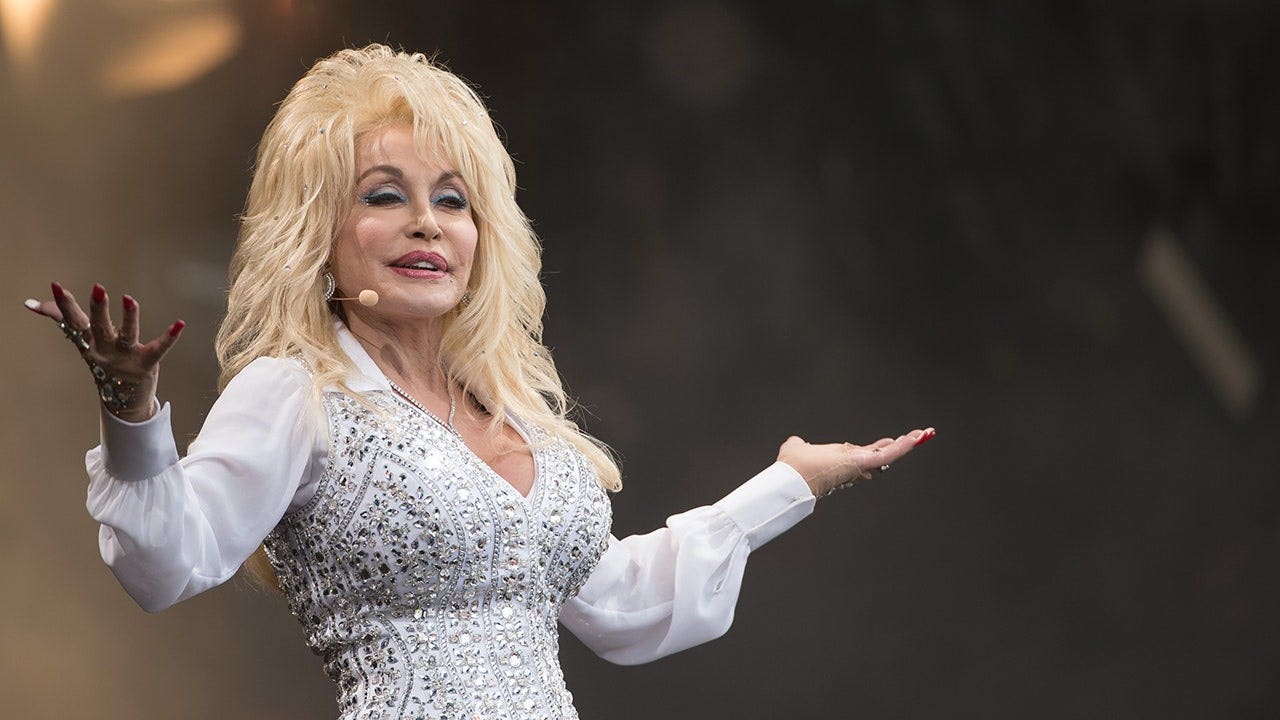
- Mayor Ken Adams’ objection to lowering flags for Dolly Parton
- His view of half-staff honors as reserved for major national sacrifice
- How President Trump and Gov. Tate Reeves responded after Parton’s death
- Adams’ defense of local authority under home rule
- The backlash from residents and commenters online
- Parton’s broad public legacy and emotional pull
The debate over flags, honor, and public memory landed hard in Olive Branch, Mississippi, after Mayor Ken Adams pushed back on lowering the American flag for Dolly Parton. Adams said the gesture should stay tied to the most serious moments in national life, not spread so widely that it loses its weight. That stance immediately set off a familiar fight between symbolism and sentiment, with Parton’s death at age 80 drawing grief far beyond the music world.
Adams made clear that his point was not about disrespect. He described Parton as a remarkable person who lifted people up, spread joy, and did a lot of good over a long career, while still arguing that half-staff honors should be rare. In his view, that kind of tribute belongs to military heroes, fallen first responders, presidents, and other leaders whose loss marks something bigger than celebrity.
The mayor’s comments leaned on a simple idea: if everything is treated like the highest honor, then nothing really is. He warned that lowering flags every time a famous person dies can chip away at the meaning behind the gesture, turning a powerful tradition into routine. That argument may have sounded steady to some, but to others it came off as cold in a moment when many people were grieving an American icon.
Part of the tension came from the fact that President Donald Trump and Mississippi Gov. Tate Reeves had already ordered flags lowered for a week in her honor. Adams said he did not believe local officials should simply ignore the president or governor, but he also pointed to Mississippi’s home rule structure, which gives cities room to make their own calls. That left him defending a narrow lane for municipal judgment, even as the larger state and national response moved in the opposite direction.
He also framed the issue as one of leadership, not obedience. According to Adams, the president can speak for the country, the governor can speak for the state, and a mayor should be able to make decisions for the city. He said residents did not elect him to be a “salute and execute” mayor, a line that turned his position into a broader statement about who gets to decide when public symbols are used.
The reaction online was immediate and sharp. Some commenters argued that Parton had done more for children, families, and ordinary people than many politicians ever have, while others said her influence made her worthy of the honor without question. One commenter who identified as a veteran and first responder said they were fully comfortable with the flags being lowered, pointing to her charity work and support for military causes.
That pushback reflects why Parton’s name carries such force in moments like this. She was not just a singer with a huge catalog and a bright public image, but a figure tied to literacy campaigns, charity, and a kind of cultural goodwill that cut across a lot of divides. Even people who disagreed with Adams’ interpretation of the flag tradition seemed to share a sense that her life had reached into far more than entertainment.
Still, the mayor held the line and kept his remarks centered on principle. He said the flag at half-staff is one of the highest honors the country can give, and that the honor should be kept for truly extraordinary circumstances. That left Olive Branch in the middle of a larger emotional argument, where reverence for tradition collided with the public’s desire to recognize someone many considered unforgettable.
