
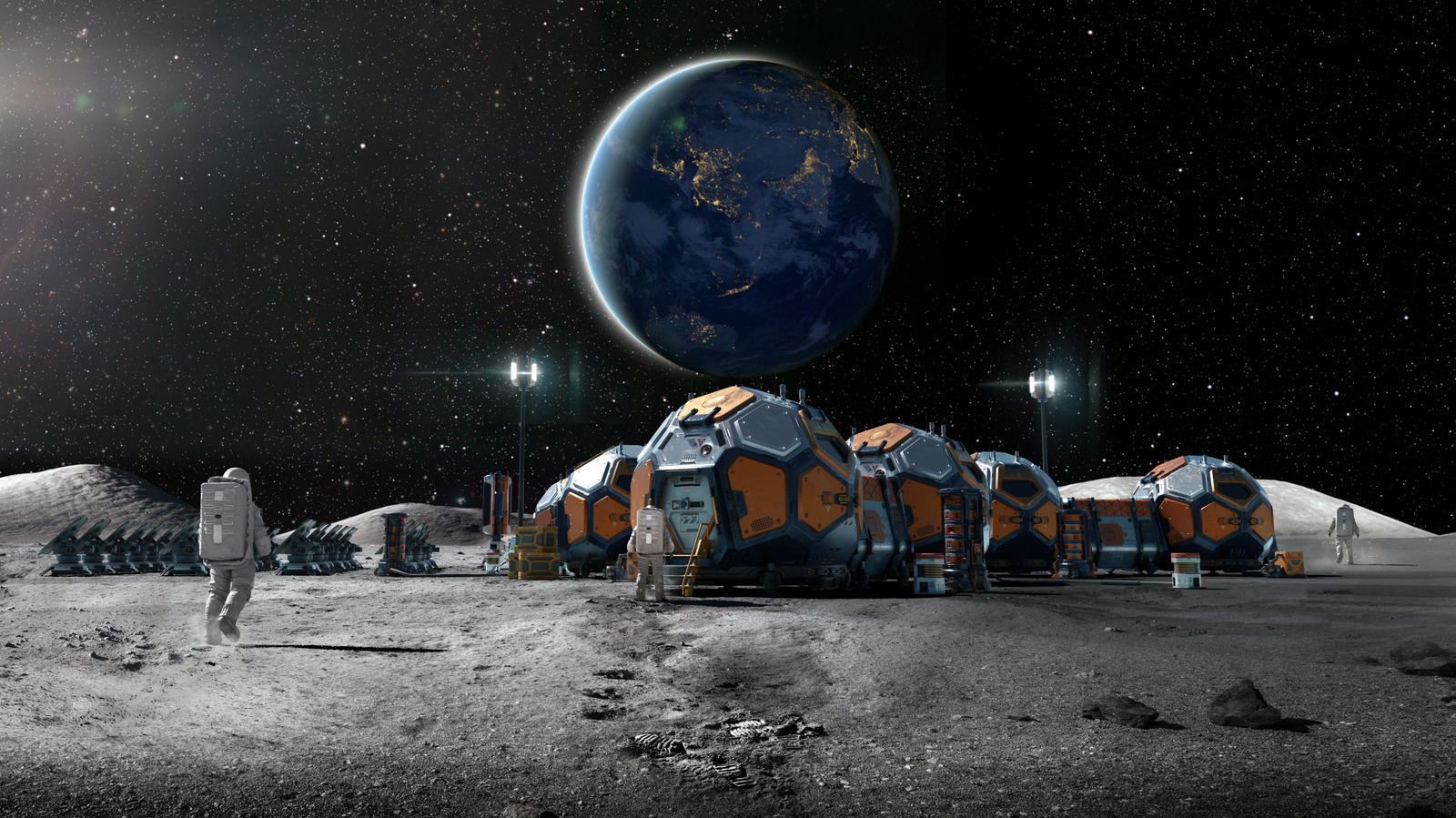
Building a lasting presence on the Moon depends on solving a very down-to-earth problem: how to make shelter without hauling half of Earth into space. New research is pushing that question in a bold direction, using lunar dust itself as the raw material for compact, LEGO-like blocks that could support future bases. The idea is simple, but the implications are huge, because every pound not launched from Earth could save money, time, and serious headaches.
For decades, lunar construction has been stuck between imagination and logistics. The Moon does have useful materials in its regolith, the gritty surface layer made of dust, rock, and mineral fragments, and some of those materials could eventually help with life support and fuel production. That same regolith could also become the backbone of buildings, turning local dirt into something far more valuable than a launch manifest full of steel and concrete.
That is where the University of Arkansas work stands out. Researchers described a method in which loose lunar regolith can be shaped into small blocks using a 3D-printing approach known as laser powder bed fusion, then fused with heat until the particles lock together. Instead of shipping prefabricated parts across space, the process imagines a future where astronauts and machines build directly from the Moon’s own surface.
The appeal is obvious: no giant supply chain, no endless stream of imported construction material, and no need to treat the Moon like a remote warehouse that has to be stocked from scratch. The process also fits neatly into the larger push toward lunar exploration, especially as agencies look at long-term missions and the possibility of permanent infrastructure. A Moon base is not just a stunt anymore, it is becoming part of the practical roadmap for deeper space travel.
What makes this study especially interesting is that it sidesteps binders. Earlier attempts at regolith-based construction often relied on glue-like additives brought from Earth, which undercuts the whole point of using local material in the first place. In this case, the powder binds to itself, which is a small phrase with massive consequences for anyone trying to build in a place where every shipment costs a fortune.
That said, the blocks are not ready to hold up a lunar city just yet. The printed pieces are still porous and weaker than versions made with binders, so the research is more proof of concept than a blueprint for instant habitats. Even the lead researcher warned that the material is self-supporting, but not yet something to trust with serious structural loads.
Still, the test pieces matter because they show a path forward. Small, rough, and not ready for prime time, they nonetheless demonstrate that lunar dust can be turned into something organized and usable without dragging extra chemicals along for the ride. In a field where even tiny wins can reshape the future, that is a pretty big deal.
The Moon itself makes construction tricky in ways Earth builders never have to think about. Lower gravity, the near absence of an atmosphere, and the Moon’s harsh surface conditions all change how materials behave and how structures would need to be designed. Any real settlement will need building methods that can survive those conditions, not just look good in a lab.
That is why the next steps matter so much. Researchers will need to make larger blocks, tougher blocks, and blocks that can do more than sit there and look promising under controlled conditions. If that happens, the Moon could become the first place where humans build with the ground beneath their boots, brick by brick, right where the dust already lies.
