
The new Minnesota proposal would force a handful of large fossil fuel companies to pay retroactive fees tied to decades-old emissions, with Democrats pitching it as a way to pay for local infrastructure repairs. Republicans warn it’s a punitive scheme that will raise energy costs for families and small businesses, and the bill faces long odds in a split government this session.
Democratic lawmakers unveiled the Greenhouse Gas Pollution Superfund Act, aimed at forcing companies that have emitted at least 1 billion metric tons of carbon pollution since 1995 to pay fees to a state-managed fund. Backers claim the cash would help patch sewer lines, fix culverts and cover other climate-related damage to local infrastructure. The pitch is familiar: tax energy, call it climate accountability, and promise to spend the proceeds on public works.
Supporters offered a blunt timetable: “I honestly don’t expect it to get passed this year. Our goal is to pass it next year,” Johnson Stewart said about the bill’s prospects. They argue the fund would fill gaps where local governments are already spending on flooding and repairs, and that the money would be targeted to projects that soften future weather-related harm. That sounds reasonable until you look at who pays and how the charges are calculated.
Republicans rightfully flagged the bill as an attack on reliable, affordable energy that will ripple through household budgets and Main Street. “Minnesotans are already struggling with rising costs of energy due to the actions of Democrats, and the last thing they need is another complicated government program that will just raise the cost of gas and utilities,” Senator Andrew Mathews warned. The concern is simple: when taxing energy producers, costs get passed down to consumers and small businesses that can least afford them.
Business groups warned the plan could reach retroactively and punish companies for decisions made long ago under different laws. The bill’s language raises the possibility it could “retroactively penalize [Minnesota] companies for decades old, legal emissions.” That retroactivity is especially troubling because it creates legal and financial uncertainty for firms that invested under the rules in place at the time.
The state’s small business lobby expressed the predictable consequences: higher operating costs and pricier everyday goods. “At a time when Minnesota’s small businesses are already struggling with rising costs, our state cannot afford a policy that punishes reliable, affordable energy and sends the bill to Main Street businesses,” one industry representative said. “If this policy ever comes to fruition, it will result in higher energy costs for small businesses and higher prices for the goods we depend on every day.”
National oil and gas interests framed similar measures as nothing more than a hidden tax. One industry spokesperson put it plainly: “this type of legislation represents nothing more than a punitive new fee on American energy,” and that captures the bigger picture—these bills are a policy choice that shifts costs rather than solving engineering or planning failures. If fixing storm drains and roofs is the goal, lawmakers should consider targeted grants or infrastructure budgets instead of creating a permanent surcharge on energy.
Critics also note the political timing: Minnesota’s government is split, making enactment unlikely this session and allowing Democrats to use the proposal to signal priorities rather than deliver policy. Meanwhile, voters are sensitive to anything that could nudge up the price at the pump or the monthly utility bill. That political reality helps explain why proponents are already talking about passing the measure next year rather than this year.
This debate isn’t happening in isolation; other states have tried versions of climate superfunds with mixed results and predictable pressure on consumers. Lawmakers who care about Minnesotans’ wallets should demand clearer guarantees that energy costs won’t rise and that any new fund won’t become a permanent slush fund for politicians to raid. Until those safeguards exist, many will see this as a policy that punishes energy and Main Street rather than protects communities.

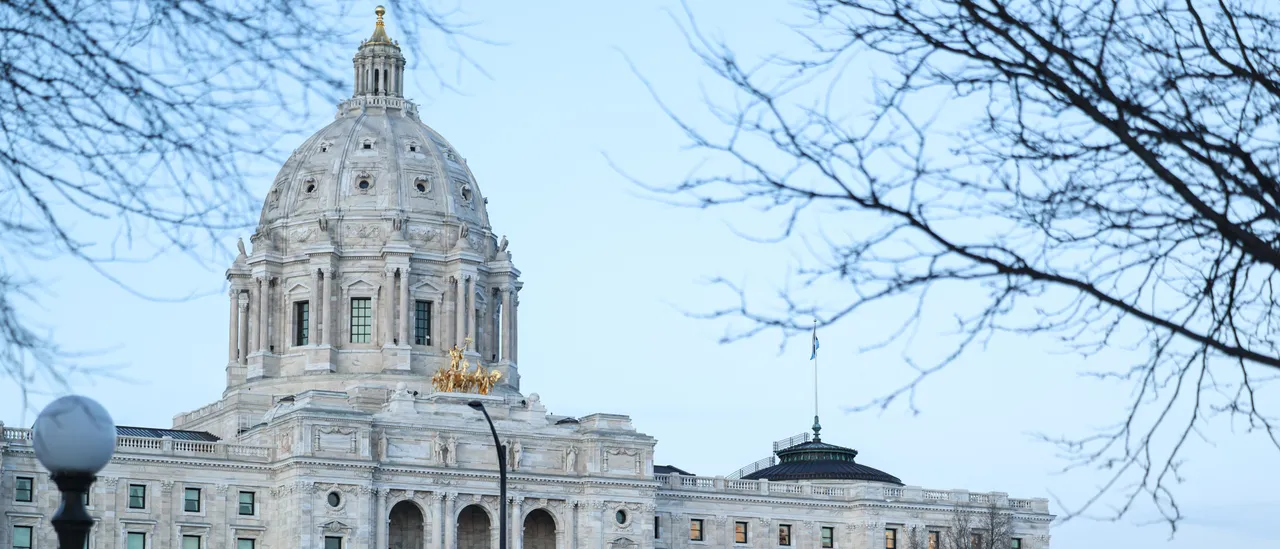
MINNEAPOLIS, MN – A view outside the Minnesota State Capitol building.
