
Donald Trump is putting hunters, anglers, and outdoor industry figures right at the center of a White House moment built around land, water, and access. The evening dinner in the Rose Garden is paired with executive orders that push back on Biden-era restrictions and signal a much friendlier stance toward America’s sporting traditions.
The guest list is stacked with people who live and breathe the outdoors, from gear makers and conservation groups to fishing and hunting advocates. More than 100 sportsmen and industry leaders are expected to attend, and the setting alone sends a message that these communities are not being treated like an afterthought.
Trump is also expected to use the night to talk up a broader vision for public lands and waterways. That includes cutting through regulatory clutter, widening access to hunting and fishing, and making sure the next generation sees these activities as part of American life instead of a relic from the past.
At the center of the expected orders is a push to expand access to public lands and waters while keeping wildlife populations healthy. The White House is also looking to make offshore recreational fishing easier and to give anglers more room to participate in how fisheries are managed, which could reshape how the federal government approaches the sector.
The administration is also leaning hard into the economic case. Outdoor recreation generates more than $1.2 trillion a year and supports over 5 million jobs, a scale that makes it impossible to dismiss as just a weekend hobby for a few enthusiasts.
That economic footprint helps explain why the guest list is so broad. Representatives from Bass Pro Shops, the Cabela Family Foundation, the National Rifle Association, Rocky Mountain Elk Foundation, Yamaha Marine Group, Polaris, Beretta USA, Safari Club International, Primos Hunting, Dallas Safari Club, Outdoor Sportsman Group, Sportsmen’s Alliance, USA Shooting Foundation, Ducks Unlimited, Sportsman Boats, Contender Boats, Taurus Holdings, and the Congressional Sportsmen’s Foundation are all expected to be there.
Federal officials are joining the conversation too, including Interior Secretary Doug Burgum and representatives from the U.S. Fish and Wildlife Service, the Commerce Department, and NOAA. That lineup suggests the orders are not just symbolic, but part of a bigger effort to change how Washington handles outdoor access and conservation priorities.
One of the key flashpoints is the use of traditional lead ammunition and tackle. The administration is aiming at Biden-era restrictions that placed station-specific limits on lead-free gear at several national wildlife refuges, a move many hunters and anglers saw as another layer of government overreach.
The new approach appears designed to loosen those restrictions and steer policy toward practical use rather than rigid mandates. Trump’s team has signaled that current rules should be reviewed by the secretaries of Interior, Agriculture, War, and Commerce, which puts a lot of federal muscle behind the shift.
The fishing side of the order is just as pointed. The plan calls for more coastal waters to open up for recreational fishing, less paperwork, and better access for charter operators, who have long complained about rules that slow business and frustrate customers.
Among the changes being considered are multi-year permits for charter boats, mobile reporting instead of mail-in catch surveys, and new efforts to rebuild depleted stocks like Atlantic striped bass. The administration also wants to use eligible offshore oil and gas platforms as artificial reefs, a move that blends habitat creation with a practical use for existing infrastructure.
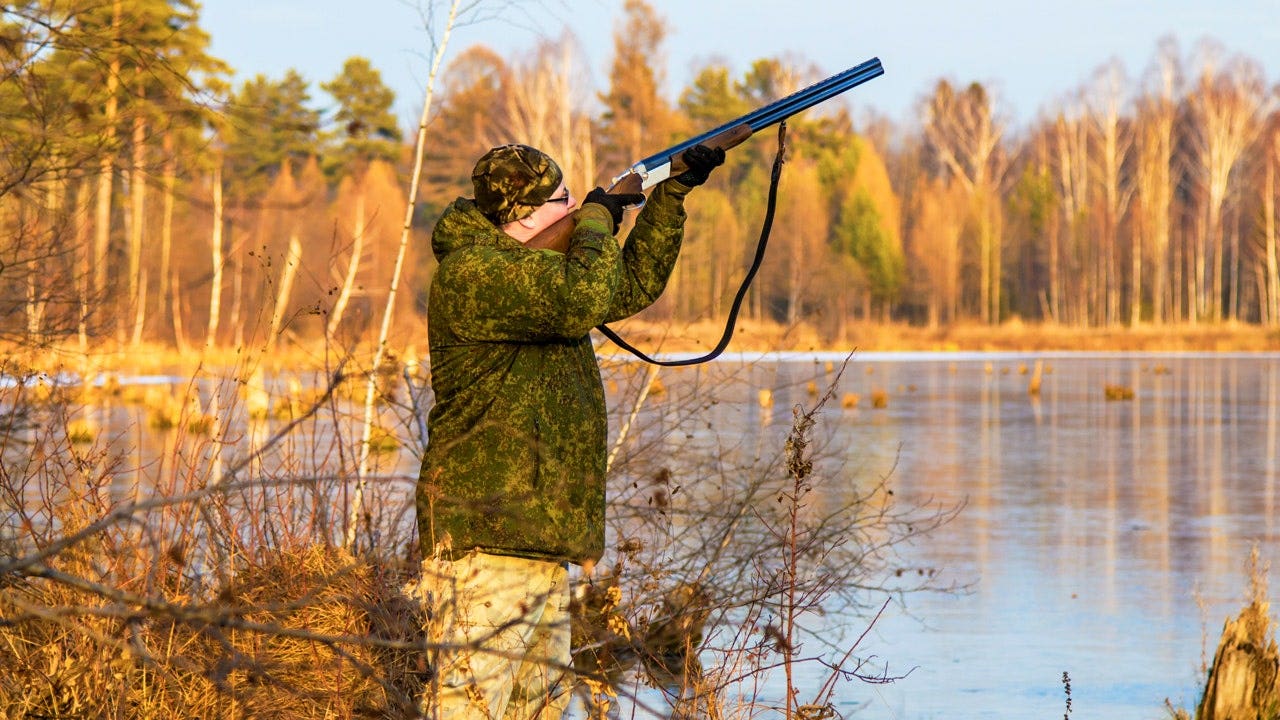
For hunters, the message is equally direct. The White House wants to promote hunting among younger Americans and veterans, groups that can keep the tradition alive if they are given easier access and fewer obstacles.
The dinner itself adds a little theater to the policy push, but the larger point is plain enough. Trump is making a clear play for a constituency that sees the outdoors not as a talking point, but as part of daily life, local economies, and a culture that still runs deep across the country.

1 Comment
I remember quite well being told by the government that the fishing organization we enjoyed was killing millions of pounds of king mackerel. What BS. Most every fish caught in those tournaments were weighed and donated to a local charity and were an actual minuscule percentage of what the government claimed. Furthermore, fishing in the gulf around the oil riggs was where the fish were. Each rig provided an incredibly habitat for many speciesand never once did I ever witness contamination.