
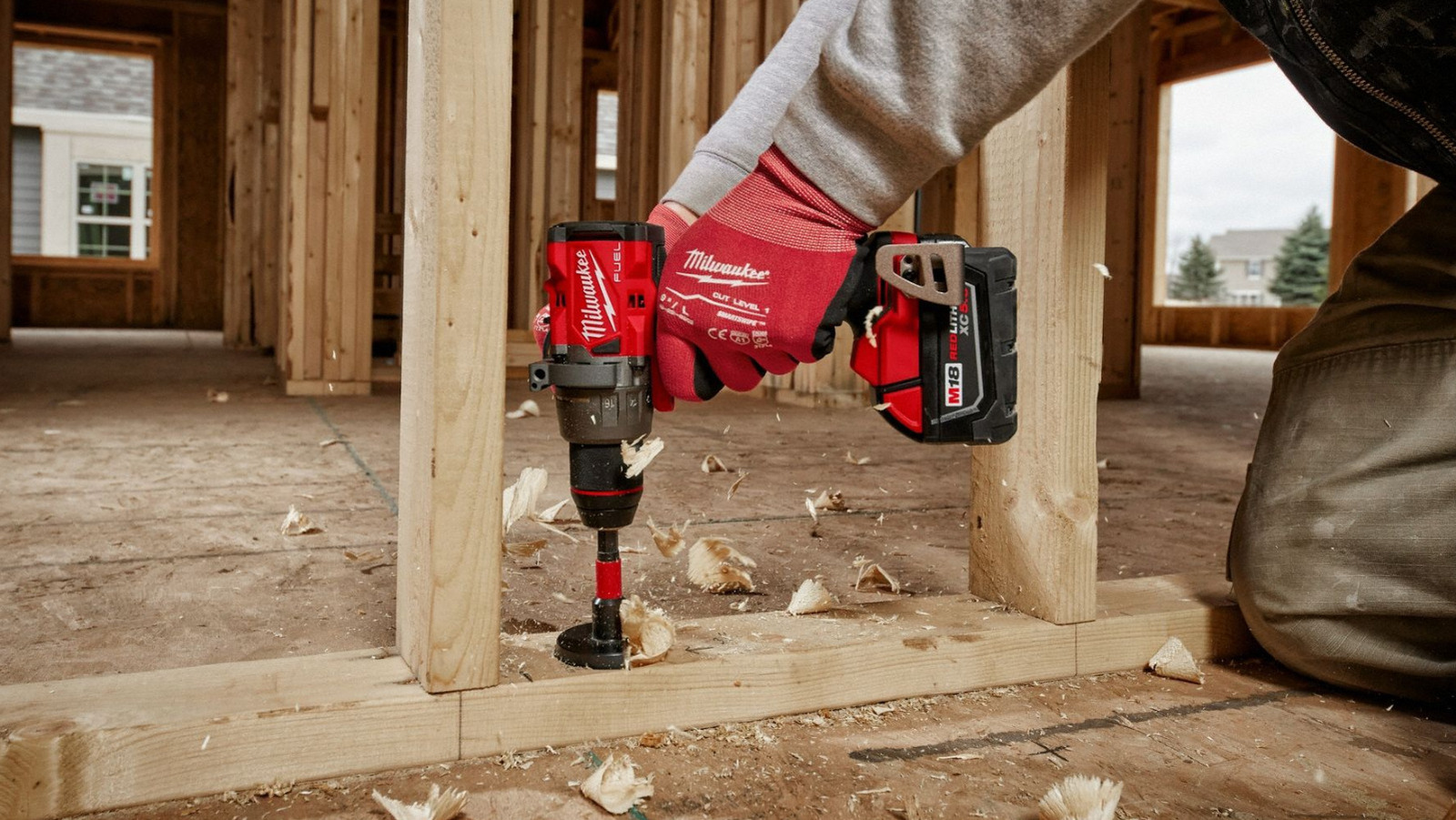
Milwaukee tools command a premium price, but many users say the extra cost buys real, measurable advantages in performance and longevity. This article walks through what those advantages look like in day-to-day use, how the battery ecosystem and service network factor into the value, and which buyers are most likely to get their money’s worth. The goal is practical: help you decide whether stepping up to Milwaukee makes sense for your work or hobby.
Milwaukee has built a reputation for rugged, professional-grade tools that prioritize torque, ergonomics, and durability. Those features show up on the jobsite where tools face repetition, drops, dust, and heavy loads. For hobbyists and pros alike, those design choices often translate into faster, cleaner work and fewer surprises under pressure.
The battery and platform strategy is a major part of the premium pitch. If you buy into Milwaukee’s battery ecosystem, you’re investing in a library of compatible tools that share chargers and cells, which reduces long-term waste and simplifies logistics. That matters for crews that need predictable runtime and for owners who want to avoid running different chargers and battery types for each brand.
Build quality is often the silent value driver for higher-end tools. Metal gear housings, better sealing against dust and moisture, and premium switch assemblies usually cost more to engineer but can prevent failures that stop the clock on a project. When tools are repaired instead of replaced, the initial higher price can evaporate into savings over a couple of seasons of heavy use.
Performance is where the premium shows up most visibly: faster spin-up, steadier speed under load, and more refined clutch behavior on drills and impact drivers. Specialized items like cordless rotary hammers, high-torque impact wrenches, and compact subcompact systems give pros options that cheap kits simply do not. That capability translates into doing jobs quicker and with less physical strain, which matters over long days on ladders or in tight spaces.
Service and warranty coverage are part of the overall cost equation that buyers often miss. Milwaukee supports a wide dealer and service network, and for many professionals that makes downtime shorter and repairs easier to handle formally than doing quick fixes in the field. Knowing there’s a path to genuine parts and service changes the calculus when comparing first-price and total-cost-of-ownership.
Deciding who should pony up for Milwaukee comes down to use intensity and tolerance for downtime. Full-time tradespeople who rely on consistent performance and who replace batteries and chargers across many tools will usually find the investment pays off. For weekend warriors or very light users, lower-tier options can be perfectly fine, but even casual users sometimes find that a single better tool becomes the go-to for bigger projects.
Resale and longevity are part of the value story as well: high-quality tools tend to hold value better and can be passed down or sold when needs change. That makes the purchase less of a sunk cost and more of a rotating asset for many contractors and savvy DIYers. If your work depends on reliability and clean results, stepping up to a professional platform like Milwaukee often fits the budget logic over time without turning every purchase into a gamble.
