
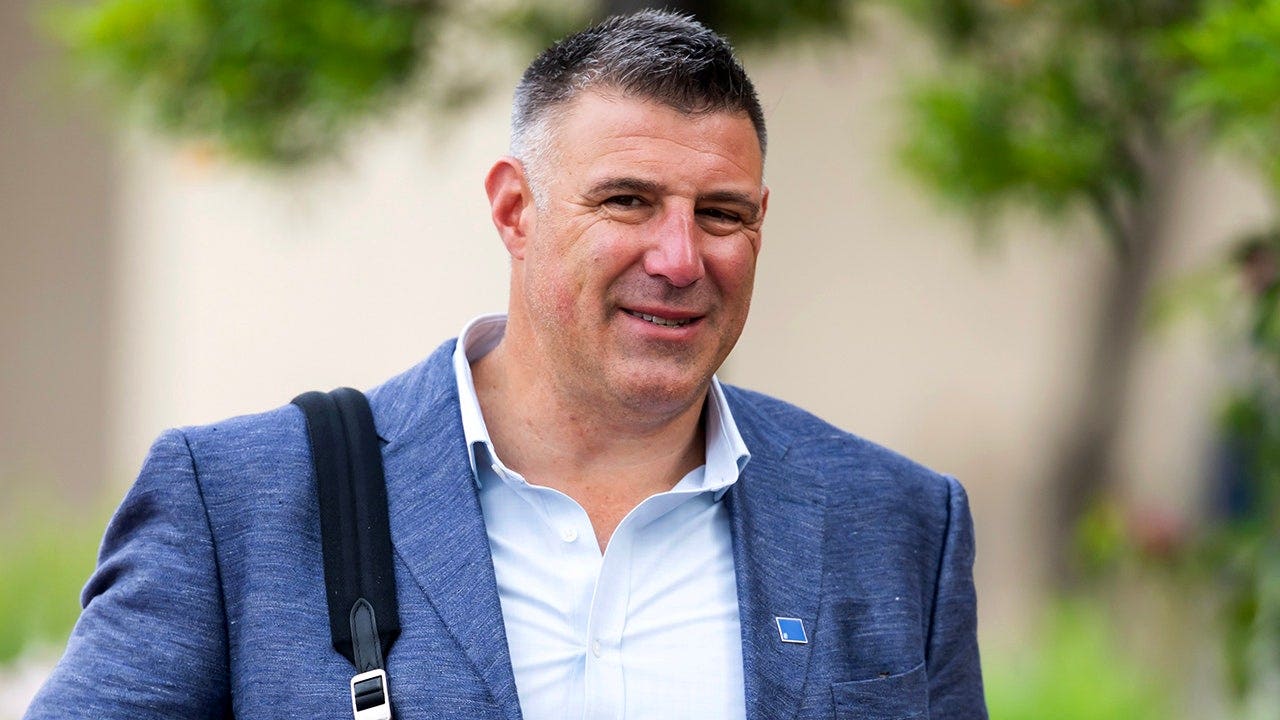
New England Patriots head coach Mike Vrabel will not attend the team’s pre-draft press conference, a development tied to growing attention around his reported relationship with NFL reporter Dianna Russini. The absence has sparked questions about transparency, team focus, and how personal matters intersect with public professional roles in the sports world.
The choice to skip a scheduled press conference is notable in a league where optics matter as much as strategy. Vrabel usually handles the pre-draft spotlight with a steady hand, so sitting out invites scrutiny and speculation from fans, media, and the organization itself. The situation has unfolded quickly, and people are trying to sift what is factual from what is rumor.
At the heart of the story is the blurred line between private relationships and professional responsibilities. When a high-profile coach is linked to a journalist who covers the league, questions about conflicts of interest naturally arise. The NFL and its teams operate in a media-driven ecosystem where even perceived impropriety can distract from on-field goals.
Patriots leadership has to balance protecting the team’s focus and addressing the media cycle that now surrounds Vrabel’s absence. For coaches, every public move is scrutinized because it affects recruitment, draft messaging, and the locker room. Players and personnel want clarity so they can concentrate on evaluating prospects and executing draft plans.
Journalistic ethics also come into play whenever personal ties connect reporters and subjects. Newsrooms typically have standards to avoid even the appearance of bias, and readers expect transparency about potential conflicts. When those standards are in question, outlets must respond quickly to preserve credibility, especially around league coverage.
The timing is awkward: the pre-draft period is a critical window for teams to showcase their vision and answer scouting and roster questions. Missing that forum means the Patriots forgo an opportunity to set the narrative about their draft approach. Critics will say this hands momentum to speculation, while supporters may argue protecting privacy is paramount.
For fans, this is more than tabloid fodder; it touches on trust. Supporters want to believe their franchise operates with integrity on and off the field. When headlines shift from draft strategy to personal controversy, it tests fan patience and invites commentary across social media and sports talk platforms.
From the NFL’s perspective, maintaining consistent, fair coverage and enforcing ethics policies helps prevent long-term reputation damage. The league benefits when teams and media partners manage conflicts straightforwardly instead of letting them linger. Clear statements and transparent processes tend to calm chatter and move attention back to football matters.
Team insiders and analysts will keep an eye on how the Patriots handle communications in the coming days. A concise explanation that respects privacy while affirming the team’s commitment to competitive focus can help steer the conversation. How Vrabel and the organization choose to respond will be judged not just for content but for timing and tone.
Meanwhile, the draft will proceed with all the usual drama and decision-making, and Patriots personnel will continue their evaluations behind closed doors. Whether Vrabel’s absence changes draft day outcomes is unclear, but the episode underscores how non-football issues can ripple through a franchise during critical periods. The next steps will reveal whether this becomes a brief distraction or a lingering narrative.
Ultimately, the situation highlights the complicated dance between personal lives and public roles in modern sports. Coaches and reporters work in a tight, high-stakes circle where perceptions matter as much as facts. How each party handles the follow-up will determine whether the focus returns to players, picks, and the Patriots’ path forward.
