
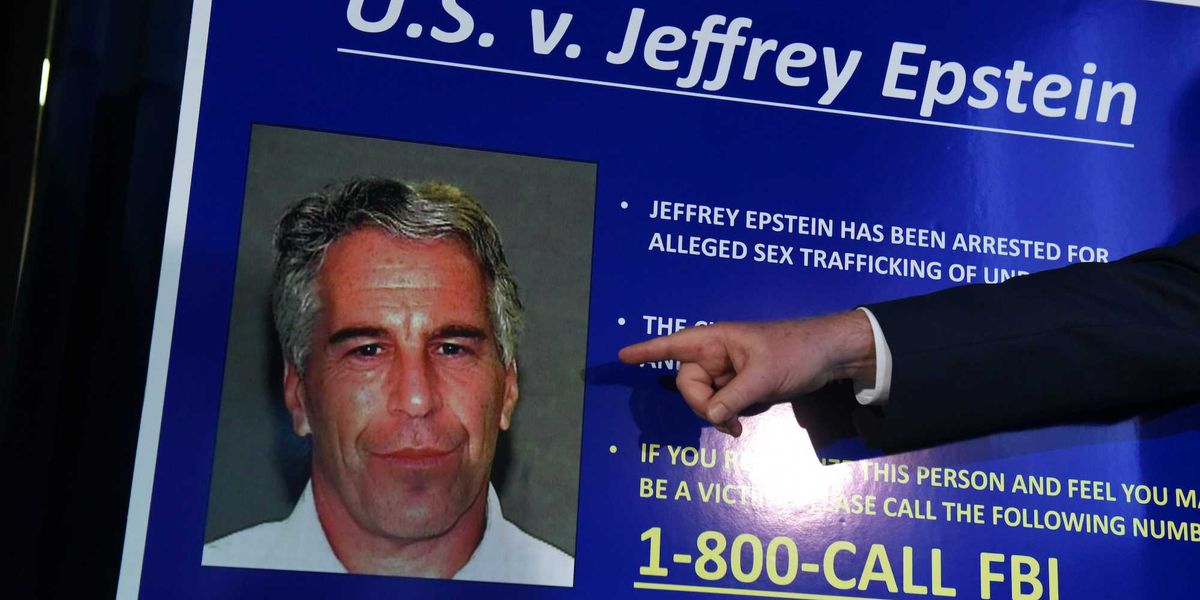
A new report tied to a prestigious academy has thrown a harsh spotlight on a long-brewing scandal, laying out allegations that reach far beyond one infamous name. The findings point to Jeffrey Epstein and dozens of other alleged abusers, while also showing how students were left exposed inside a place that should have been built to protect them.
The report paints a grim picture of failure, delay, and trust abused in the worst possible way. Epstein is one of the names drawing the most attention, but the bigger story is the scale of the alleged misconduct and the number of adults connected to it. That kind of breakdown does not happen overnight, and it usually means warning signs were missed, minimized, or brushed aside until the damage was already done.
What makes this especially disturbing is the setting. A school or academy is supposed to be a place where families feel safe sending their kids, expecting discipline, oversight, and accountability. Instead, the report suggests that students were vulnerable inside an environment where predators could operate and where institutional confidence may have been used as cover.
The allegations also raise a bigger question that keeps coming up in cases like this: who knew what, and when did they know it? When an investigation names so many accused abusers, it points to a culture problem, not just one bad actor. These are the kinds of cases that make people wonder whether power, prestige, and reputation were protected longer than the students were.
For families, the emotional punch is hard to miss. Parents hand over trust every single day, assuming the adults in charge will act like adults and not look the other way. When that trust is broken, the fallout lasts for years, because the harm is not only physical or legal, it cuts straight into confidence, memory, and the basic sense of safety children should have had in the first place.
Public reaction to reports like this is usually furious for a reason. People do not want polished statements, damage control, or carefully worded excuses once abuse is exposed. They want names, facts, consequences, and a system that stops protecting institutions at the expense of kids.
The presence of Epstein in the report adds another layer of outrage because his name has become shorthand for elite failure and abuse hidden in plain sight. But the report makes clear that the damage was not limited to one man or one era. It describes a wider network of alleged misconduct that seems to have touched multiple students over time, which is exactly why these revelations keep hitting so hard.
There is also a plain political lesson in all this for anyone who still believes institutions automatically police themselves. They do not, at least not without pressure, sunlight, and consequences. If a prestigious academy can wind up at the center of claims this serious, then every school, board, and administrator should expect scrutiny, not blind trust.
The most chilling part is how ordinary the warning signs can look in real time. People can dismiss concerns as rumors, misunderstandings, or isolated incidents until the pattern is impossible to ignore. By then, the victims are already carrying the burden, while the adults who were supposed to intervene are left explaining why they were so slow to act.
As more of these reports surface, the demand for accountability only grows louder. No community wants to face the truth that a respected name on a building can hide years of neglect and abuse, but that is exactly why these stories matter so much. The public is done with secrecy, and the pressure now is on institutions to answer for every failure that let this happen.
