
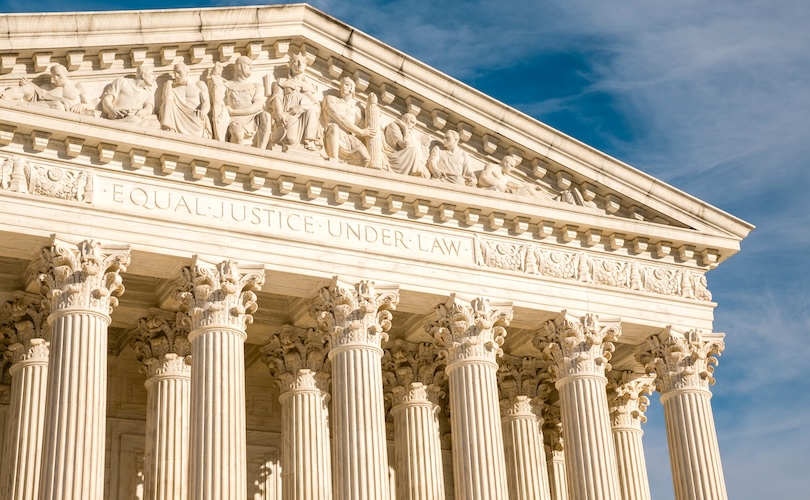
Michigan has stepped back from enforcing its ban on counseling aimed at changing sexual orientation or gender identity after a major Supreme Court ruling reshaped the legal landscape. The move follows a legal fight over whether the state could restrict talk therapy for minors and other clients seeking help with gender confusion or same-sex attraction.
The dispute began with HB 4617, a 2023 law that took effect the next year and barred counseling that tries to change a person’s sexual orientation or gender identity. At the same time, the law carved out protection for counseling tied to transition support, acceptance, identity exploration, and behavior-focused guidance, which critics said created a lopsided standard.
The first court battle did not go the challengers’ way. In January 2025, U.S. District Court Judge Jane Beckering upheld the law against a lawsuit filed by the Becket Fund for Religious Liberty on behalf of Catholic Charities and Emily McJones, a Catholic counselor who runs Little Flower Counseling.
That ruling did not end the case. The 6th Circuit later stepped in and issued a temporary injunction, with Judge Raymond Kethledge saying the law was almost certainly violating the plaintiffs’ First Amendment rights because it singled out viewpoints the government liked and allowed only approved speech on a sensitive topic.
Then came the bigger shift. In March, the U.S. Supreme Court ruled 8-1 in a Colorado case that similar restrictions amounted to viewpoint discrimination and an “egregious assault” on free speech, giving new momentum to challenges against state counseling bans.
That precedent mattered in Michigan. Beckering ruled Friday that the state’s ban crossed the line by infringing on the free speech rights of the plaintiffs, and the order also included $750,000 in attorney fees and costs. The ruling blocks enforcement against licensed professionals whose therapy consists only of talking.
The legal and cultural fight around this issue has been intense because the phrase “conversion therapy” often brings to mind harsh, outdated images. Opponents usually point to extreme practices, but the modern dispute is mostly about ordinary counseling and whether adults can help minors work through unwanted sexual feelings or gender distress without the state stepping in.
Supporters of the challenge argue that this is exactly where the state went too far. They say counseling should not be treated like a political speech code, especially when families and faith-based counselors believe children deserve room to talk through painful questions without being pushed in one direction by government power.
The case has also highlighted a larger double standard in the current debate. Critics of the ban argue that activists often defend aggressive affirmation and medical transition for confused children while condemning any counseling that questions that path, even when the therapy is limited to conversation and reflection.
That tension is why the ruling landed with such force. For many observers, the Michigan case is no longer just about one state law, but about whether the government can decide which private conversations are allowed when deeply personal beliefs, family concerns, and First Amendment protections collide in court.
