
Michigan’s Democratic Senate primary was sold like a done deal, but the vote turned into a mess for the people who treated it that way. Abdul El-Sayed came in under the kind of spotlight that usually signals a clean finish, yet the final shape of the race showed a much shakier picture, with Rep. Haley Stevens refusing to fold and the state’s political mood proving harder to script than the headlines suggested.
For days, the coverage leaned hard into the idea that El-Sayed had the thing wrapped up. That confidence rested on polls, prediction markets, and a lot of chatter that ignored how the race looked on the ground, especially after Gov. Gretchen Whitmer’s endorsement seemed to energize Stevens and make the contest tighter than the public narrative admitted.
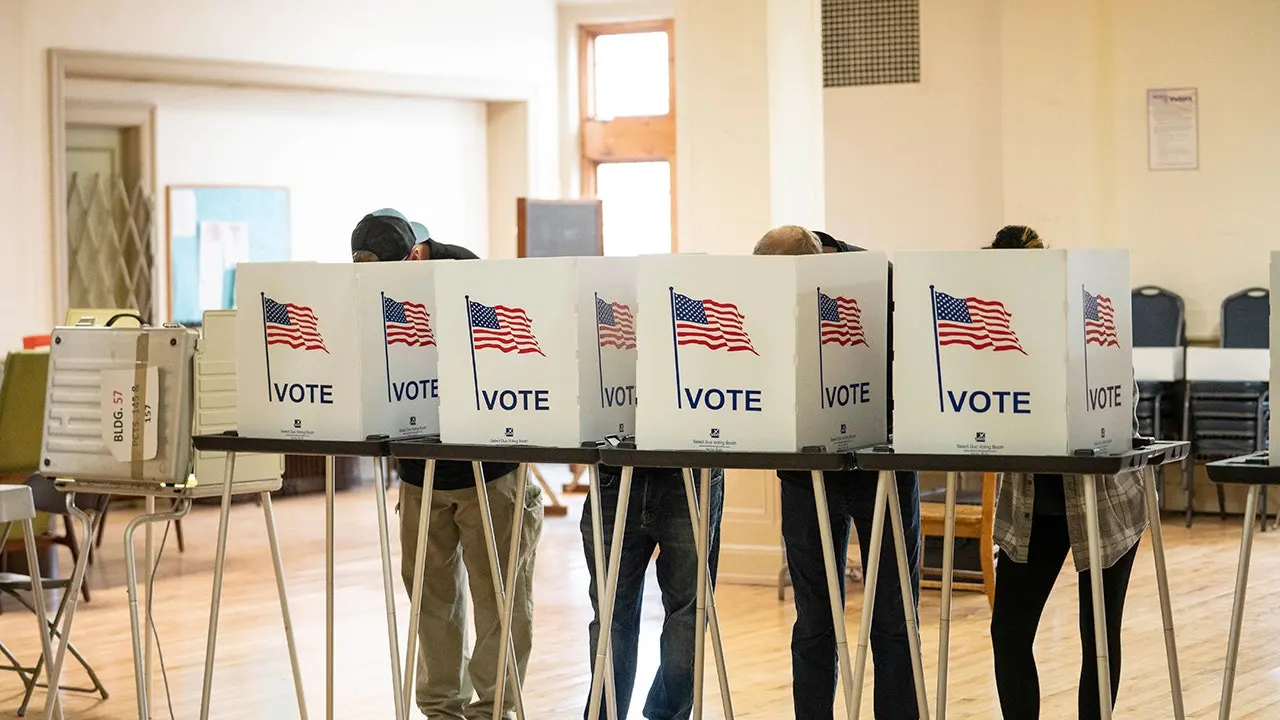
That gap between the story in the press and the story in the neighborhoods mattered. In Detroit, the kind of places where campaign strength often shows up before the numbers do, the voting mood pointed to something more complicated than a blowout, with many ordinary Democrats sounding far less impressed by the socialist-style energy around El-Sayed than the media seemed to be.
The polling, though, kept pushing the same message. The final public surveys had El-Sayed ahead by double digits, and that kind of spread tends to flatten a race in the public imagination, even when it should be raising eyebrows instead of confidence. When coverage turns numbers into destiny, the actual voters get treated like background noise.
That was part of what made the result so jarring. Even with El-Sayed still favored in the prediction markets, the race was moving toward a much narrower finish than the experts had promised, and that kind of mismatch is exactly what leaves a mark on campaigns, reporters, and voters who can feel when the room is being misread.
One of the most important pieces of the story was how invisible some of Stevens’ support seemed to the people doing the forecasting. The voters who wanted something steadier, less chaotic, and more in line with winning in a tough state were easy to miss if the only lens was ideology and online buzz. In a race like this, that blind spot can be the whole ballgame.
It also helps explain why the momentum around Stevens was real even when it was being talked down. Her appeal was not flashy, but it was practical, and that can travel a long way in a state where Democrats have to think about more than just energizing the loudest activists in the room.
For Republicans, the outcome is a gift. Mike Rogers now gets the opponent he wanted, but he also gets a Democrat who just took a hit from a race that was supposed to be an easy march to victory and instead exposed a weaker-than-advertised base of support.
The political downside for El-Sayed does not stop at the numbers. A campaign that was framed as a triumphant progressive takeover now has to answer for underperforming expectations, and that kind of drag can linger when the general election starts asking harder questions about who can actually win statewide in Michigan.
The online-left crowd did not help matters either. The backlash, the finger-pointing, and the ugly rhetoric about outreach and forgiveness all made the post-primary mood sound less like unity and more like a faction trying to talk itself out of a bad night. That kind of noise can fire up the base, but it also reminds swing voters exactly why they get nervous when politics starts sounding like a cult.
There is a bigger lesson here, and it is one campaigns keep relearning the hard way. When political coverage falls in love with a narrative before the ballots are counted, the result can be a distorted picture that flatters the loudest voices and misses the actual voters who decide elections. Michigan just served up one more reminder that the people at the polling place are usually less predictable, and a lot less impressed, than the insiders on cable news.
