
• Trump is set to host a state dinner for Xi Jinping
• Several big tech leaders are expected to be in the room
• The guest list lands amid sharp U.S.-China AI tension
• Chip controls and frontier models remain the real pressure points
• The dinner highlights how politics and tech are colliding fast
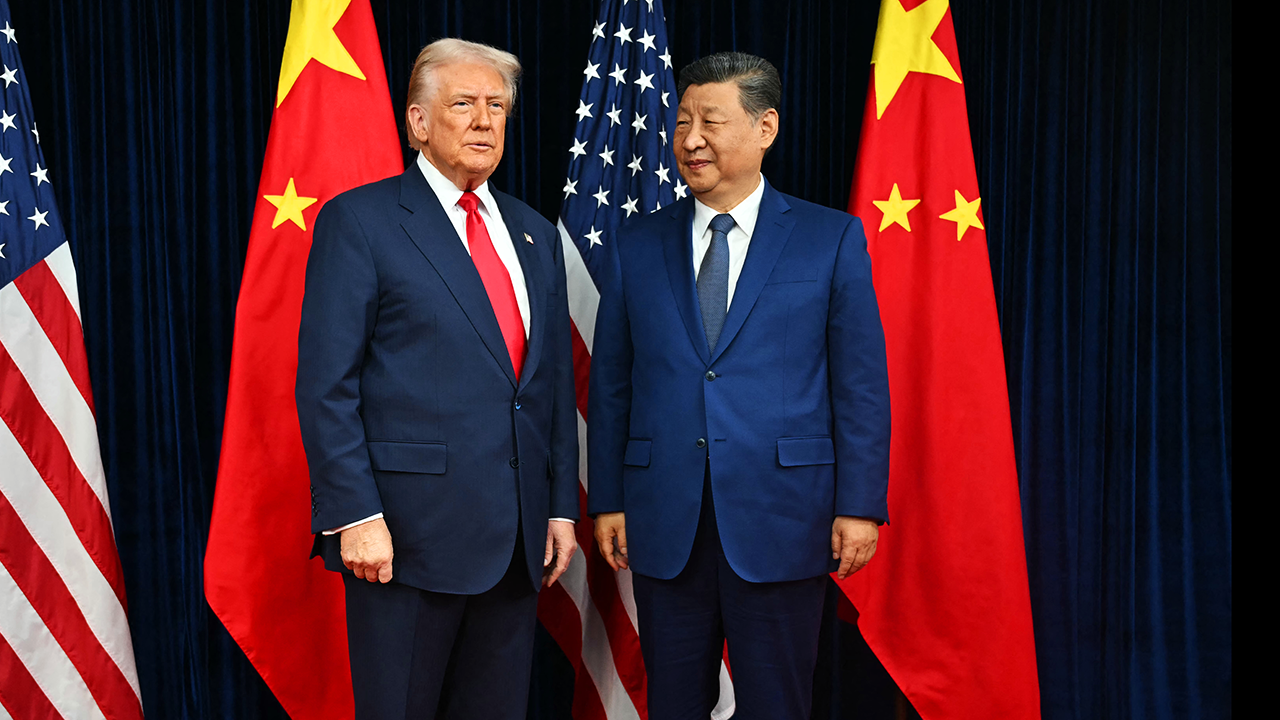
President Donald Trump is preparing to host a state dinner next week for Chinese President Xi Jinping, and the guest list is drawing plenty of attention. Among the expected attendees are some of the biggest names in tech, including OpenAI CEO Sam Altman, Apple Executive Chairman Tim Cook and Nvidia CEO Jensen Huang. The lineup gives the evening a lot more weight than a standard diplomatic dinner.
The tech presence is no accident, since the relationship between Washington and Beijing is tangled up with artificial intelligence, advanced chips and the race to build more powerful systems. The dinner comes as both countries push hard to stay ahead, while also trying to manage the risks that come with that kind of competition. That makes the room feel less like a social event and more like a quiet pressure cooker.
China’s access to advanced semiconductors has been squeezed by U.S. export controls, especially on high-end chips tied to AI development. Nvidia has been one of the clearest examples of how central those chips are, since its products help power some of the most advanced models in use today. Those restrictions have become a major flashpoint in the broader tech rivalry.
Huang has pushed back on the idea that the controls alone will freeze China out of the AI race. In May, he said China has “all the chips they need” despite the restrictions from Washington. That kind of blunt language has made him one of the more outspoken voices in the debate over whether limits on exports really change the pace of innovation.
OpenAI and Anthropic have built their edge around frontier models, which are tightly controlled and typically available only through licensing or paid access. On the other side, Chinese firms have leaned on distillation and open-weight systems to narrow the gap with American companies. That split has turned AI development into a contest over both access and control.
Altman and other leaders in the sector have also been talking more openly about safety, alignment and the need to slow down when systems are not ready. Huang echoed that mindset when he said, “It is the responsibility of the AI companies ourselves to develop the technology safely and to properly test it,” and added, “If it’s not ready, just hold it back. You should go as fast as you can, but no faster than that.”
The dinner itself carries the usual diplomatic weight, since state dinners sit near the top of the ceremonial ladder in U.S. foreign policy. They are meant to signal respect while also creating a space where tough issues can be handled without the noise of public sparring. In this case, the symbolism is hard to miss, especially with AI policy and chip access hanging over the relationship.
Xi has already hosted Trump at a state dinner in China earlier this year, and that event also brought in familiar tech names like Musk, Huang and Cook. The new dinner will be the second state dinner Trump has hosted in his second term, after the one held for Britain’s King Charles and Queen Camilla. It also fits into a longer pattern, since Trump hosted similar events for French President Emmanuel Macron in 2018 and Australian Prime Minister Scott Morrison in 2019.
The timing matters because these dinners are no longer just about handshakes and photo ops. When the biggest names in AI show up around the same table as the leaders of the U.S. and China, the message is obvious: the next phase of global power will be shaped just as much by chips and models as by borders and trade. That reality is already pulling corporate leaders deeper into the geopolitical spotlight, where every move gets read twice.
