
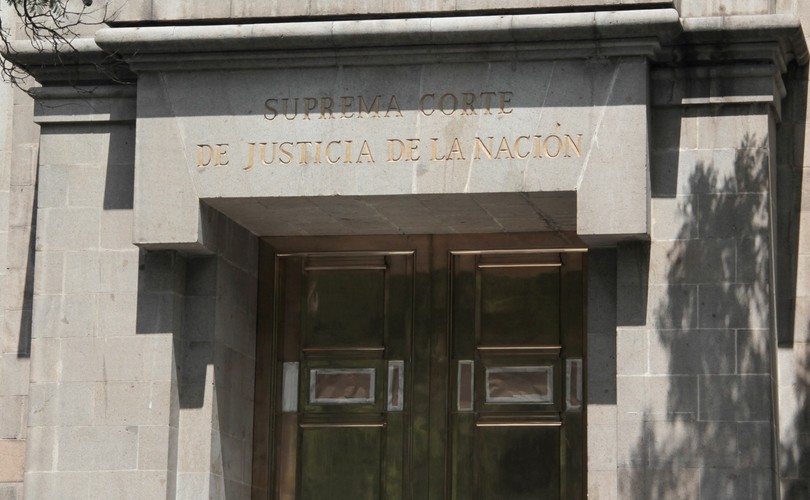
Mexico’s Supreme Court is weighing a decision that would, in effect, remove criminal penalties for abortion at any stage of pregnancy, and that possibility is triggering a fierce political and cultural debate about judicial power, states rights, and the value of human life. This article examines what the ruling would mean in practice, why many conservatives see it as an overreach, the likely social consequences, and how advocates on both sides are preparing to respond.
The proposal under consideration would reinterpret criminal law so that abortion is not prosecuted even in late pregnancy. For many Republicans and pro-life advocates, that raises alarm bells about unchecked judicial authority rewriting social policy without democratic consent. They argue the court would be overriding state law and local values in a way that should be decided by legislatures or by communities at the ballot box.
Beyond legal theory, there are real human consequences at stake. Conservatives point to the moral status of the unborn and the need to protect vulnerable life, especially in the final stages of pregnancy. Opponents of the measure fear a cultural slide where the threshold for ending pregnancies shifts from rare, medically necessary cases to routine practice, and they worry about pressure on women and families who may feel coerced into terminating pregnancies.
Republican critics also frame this as part of a broader pattern of courts imposing radical social changes. When judges substitute their policy preferences for the will of voters, the result can be instability and backlash. That view calls for restoring checks and balances: legislatures setting clear law, elected leaders responding to constituents, and respect for subsidiarity so states and local communities can make their own choices.
The international and political fallout would be immediate. Pro-life groups on the ground would mobilize to challenge the decision through rallies, lawsuits, and political campaigns aimed at state legislatures. Meanwhile, conservative politicians would use the moment to rally supporters and spotlight alternatives like stronger protections for pregnant women, expanded support for mothers, and increased funding for crisis centers that encourage life-affirming choices.
Practical concerns are also front and center for opponents of a sweeping ruling. Medical ethics, professional conscience protections, and parental rights for minors could all be threatened if the legal environment changes abruptly. Republicans argue for policies that support both mothers and babies: better maternity care, financial assistance for new families, and legal protections for healthcare workers who refuse to participate in abortions on moral grounds.
There are strategic ways conservatives plan to respond that go beyond protest. Lawmakers can pass state laws reinforcing penalties and protections, federal allies can deny incentives to jurisdictions that loosen safeguards, and grassroots organizations can expand services that reduce the demand for abortion. The aim is to build a culture that values life while offering real, practical help to women facing difficult pregnancies.
The stakes are not only legal but deeply cultural, touching on how a society balances individual choice, community values, and the protection of the most vulnerable. If the court hands down a ruling that effectively decriminalizes abortion at any stage, expect a sustained, organized conservative response that mixes policy, politics, and on-the-ground support for pregnant women and families.
