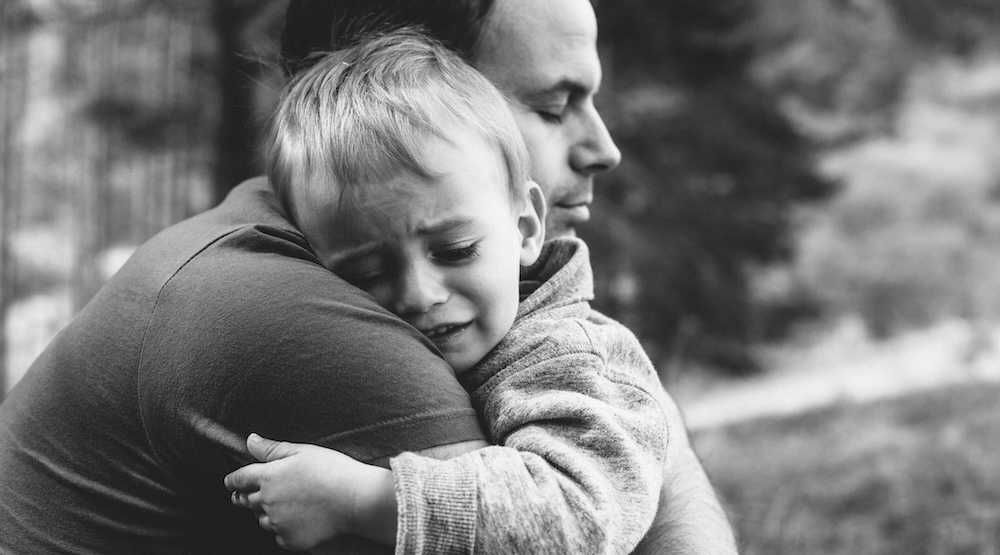
Father’s Day often gets shrugged off or mocked, but it still teaches things our fast, distracted world needs: honor, steady sacrifice, and the grit of long-term responsibility. This piece looks at how fathers can anchor families against the pull of isolation and temptation, why a personal example matters, and how faith and discipline shape everyday leadership. It uses a familiar parable and a simple family memory to show how small acts add up into the kind of inheritance we actually pass on.
There’s a rising chorus that treats traditional fatherhood as outdated, and that reaction misses what’s at stake. When fathers are dismissed, the social fabric frays, because the qualities most often derided—duty, steadiness, stubborn care—are the ones that knit households and neighborhoods together. Mockery makes for easy headlines, but it also chips away at practices that teach children to keep promises, finish tasks, and respect others.
The core lessons tied to a day like Father’s Day are basic and practical: honor, respect, sacrifice, and long-term responsibility. These are not sentimental buzzwords; they’re habits learned through repetition, correction, and example. When fathers step into those roles willingly, they hand kids a map for navigating work, relationships, and moral choices.
Think of the parable of the prodigal son in Luke. The younger son demands his inheritance and walks away, only to waste it and return humbled. The father’s response there is telling: forgiveness, a steady presence, and a willingness to receive a broken child back into the family. That story still matters because it shows how a father’s posture can anchor a child when the world around them encourages flight over repair.
We live with far more temptations than people did two thousand years ago, and many of those temptations fit into the palm of a hand. Social media, online gambling, endless streaming, and easy access to explicit material push toward isolation and instant gratification. The result is a culture that can look connected on the surface while people feel lonelier and less disciplined underneath.
That’s exactly where a father’s quiet example can make the difference: demonstrating how to resist short-term impulses and care for obligations that don’t pay off immediately. I remember the Christmas I turned 13 when my dad slipped a pocket-sized Bible into my hands and wrote inside, “The solutions to any problem are in this great book. Try to read a chapter each day of your life, and you will be happy.” Those words weren’t a lecture so much as an invitation to build a habit that shaped choices for decades.
My father didn’t just talk about faith; he lived it in how he treated family and ran the business he helped found. Seeing him balance responsibility to his employees, love for his wife, and discipline at home taught me standards that applied to marriage, parenting, and leadership. Those habits travel: a son who learns to put people first becomes a husband, neighbor, and coworker who knows how to keep commitments.
In his letter to the early church in Ephesus, the apostle Paul reminds children to “honor your father and mother so that you may live long in the land.” By nature, honor and respect ask for sacrifice, and sacrifice is rarely glamorous in our celebrity culture. Still, it is the daily, often unseen work—showing up, correcting with patience, paying attention—that passes values on and builds resilience across generations.
Father’s Day gives us an opportunity not only to recognize the imperfections of our earthly fathers, but also to honor and bless them in whatever small ways we can. A simple phone call, a shared task, or a moment of listening can do more than a flashy present, because it rebuilds the muscle of attention our lives are losing. If you want a short experiment, try one small act of care this weekend and see how a habit like that echoes long after the day has passed.