
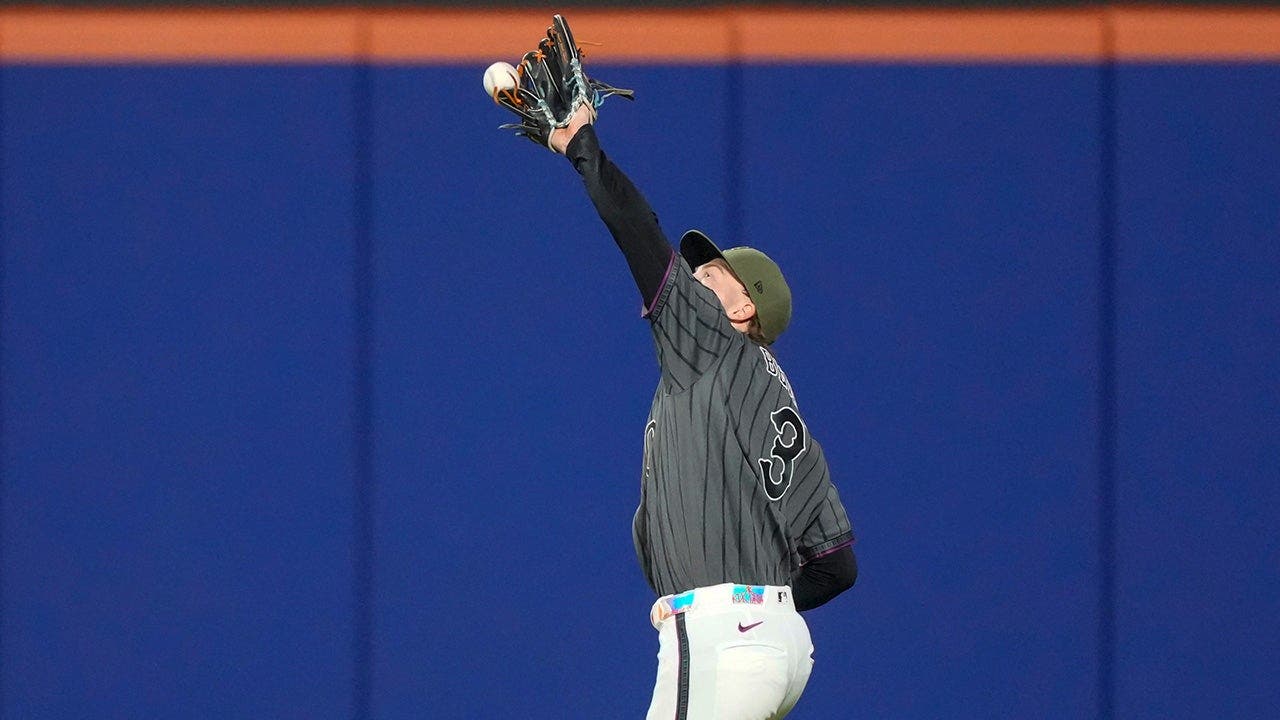
Night baseball in New York delivered drama, a blown glove play, and a gutsy comeback that had Citi Field buzzing. The Mets found ways to answer, the crowd roared, and the Yankees left wondering what might have been. This is a close-up look at how a small mistake met a bigger response and why the scoreboard ended 6-3.
Carson Benge’s glove error let Aaron Judge score, but the Mets overcame the mistake and defeated the Yankees 6-3 on Saturday night in New York. That play flashed on every screen, a moment that could have swept momentum the other way. Instead, the Mets turned it into fuel, answering with timely hits and steady pitching over the final innings.
The sequence started with a tense first half of the game where both bullpens worked to keep things tight. The Yankees struck early enough to apply pressure, and the error made the scoreboard lean in their favor for a heartbeat. New York’s tactic seemed simple: manufacture runs and let the big bats break it open, but the Mets had other plans.
Once the Mets got their footing, they began to chip away patiently, not swinging for drama so much as making the plays that count. Line drives, smart baserunning, and small-ball instincts put runners in scoring position. You could feel the shift in energy; the visitors’ dugout got louder while the Yankees’ fans fell quieter with each passing inning.
The game’s turning point was not a grand slam or a highlight reel double, but a string of productive outs that the Mets strung together. A couple of two-out hits and a walk that turned into a run forced the Yankees to rethink their approach. Pitchers on both sides battled, but the Mets’ offense found the right moments to apply pressure.
Mound work deserves a mention because the Mets got quality innings when they needed them most. Their starter ate innings and kept the pitch count manageable for the bullpen. When the relievers came in, they slammed the door on late rallies and erased any hope of a furious Yankee comeback.
The Mets’ lineup looked balanced, with contributions from the top through the bottom of the order. Veterans provided steady at-bats and young players injected urgency. That balance is what turned a single error into a footnote rather than a defining moment.
Defensively, there were bright spots aside from the one miscue. The team made athletic plays in the outfield and showed range up the middle, helping to limit extra-base hits. Those plays matter over a full nine innings and helped erase the sting of that one error early on.
Managerial moves mattered, too, as the Mets’ skipper stayed aggressive with pinch hits and defensive swaps. Those decisions produced favorable matchups and extra runs in key frames. Meanwhile, the Yankees played it tight but could not find the late spark they needed to steal momentum back.
From a crowd perspective, the atmosphere charged up after the Mets took the lead. Fans who showed up for an early-season duel got the kind of back-and-forth that makes rivalries classic. Noise meters climbed, and the energy felt like something bigger than a box score.
Postgame conversations will point to that Benge play and ask whether it was the moment that changed everything. The honest answer is that baseball is a collection of moments, and this one was simply one more for the ledger. The team that handles the rough patches better often walks away with the win, and the Mets did just that.
Looking ahead, both clubs have takeaway points to stew on. The Yankees will want cleaner defense and more clutch work late, while the Mets will savor their ability to respond under pressure. If this game is any guide, both clubhouse staffs will be busy adjusting and preparing for the next matchup.
Saturday’s result is the kind that flips a series mood without a single, dramatic turning of the tide. It’s a reminder that errors happen, but so does resilience; the scoreboard eventually remembered that. For Mets fans, it was a night to celebrate grit, and for Yankees fans, a night to pore over the small corrections that could make a big difference tomorrow.
