
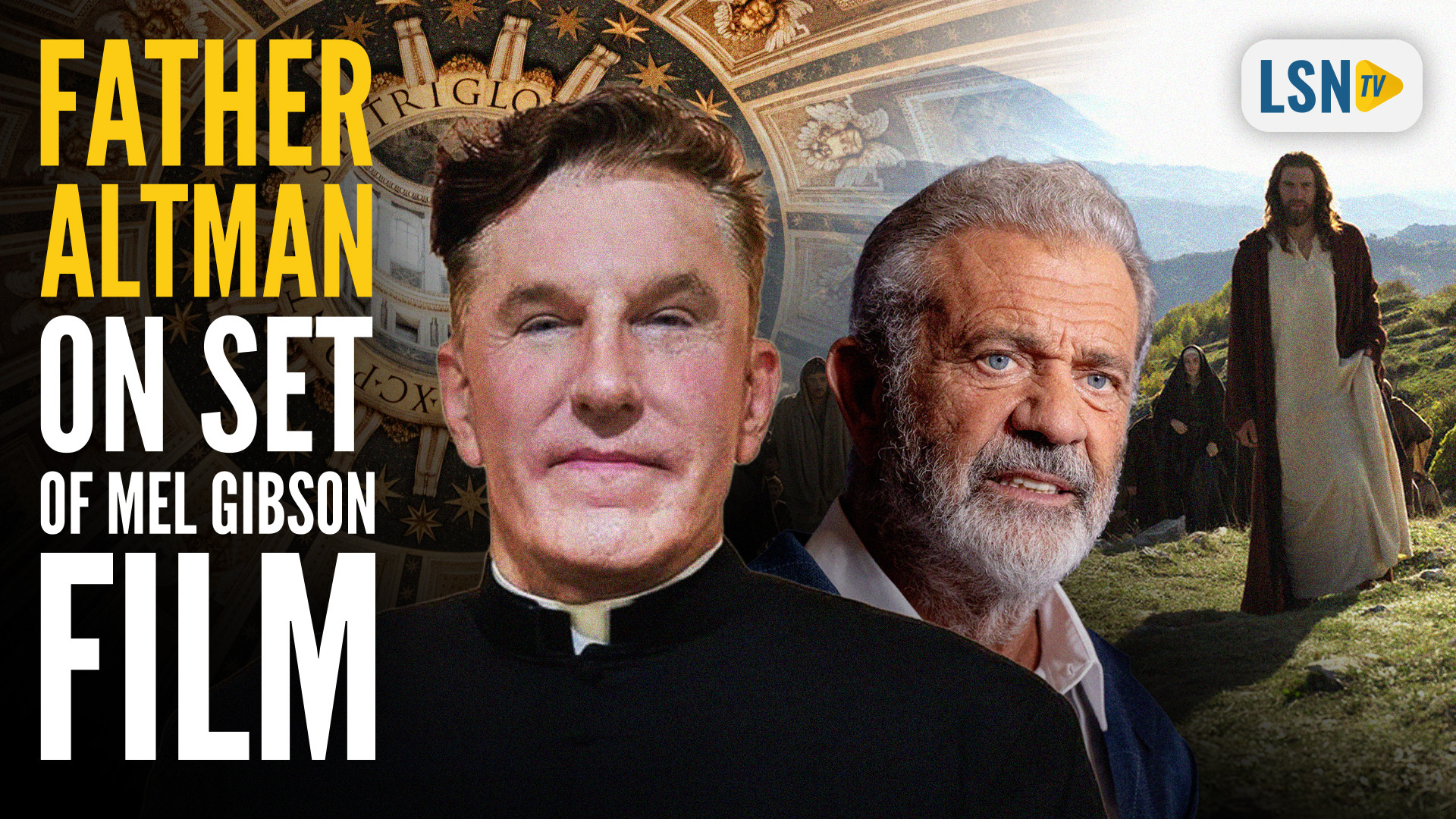
Father James Altman spent time on the set of Mel Gibson’s upcoming film The Resurrection, celebrating the final Mass and blessing cast and crew as filming wrapped, and he came away struck by Gibson’s humility, faith, and dogged devotion to telling the story of Christ’s Passion with reverence and conviction.
Altman describes a set that felt less like a Hollywood production and more like a pilgrimage, where quiet prayer threaded between takes and conversations often circled back to faith. He took part in the final Mass, asking God’s blessing on a weary cast and crew, and the ritual gave the whole place a solemn, almost sacred air despite the usual bustle of filmmaking. That mix of everyday work and deep reverence is what he says lingered with him after he left.
What surprised people who watched was how plainly Altman spoke about Mel Gibson’s personal journey, noting humility where many expected pride. He pointed to years of public backlash and controversy and said Gibson kept showing up for the work, focused on the story rather than on headlines. In Altman’s view, that discipline and refusal to bow to pressure are as much a part of the film’s moral backbone as the script itself.
Altman praised Gibson’s insistence on portraying the Passion faithfully, arguing that authenticity mattered more than spectacle or box office calculation. He described scenes where the commitment of actors and crew to truth—truth in suffering and sacrifice—was palpable, and where Gibson’s steady hand nudged everyone back to the central purpose. That single-minded focus, Altman suggests, is why the project feels consequential to those who witnessed it up close.
The last-day rituals carried weight for the people on set, who sensed an ending of more than a production schedule; they felt a kind of closure for a story that has haunted Gibson for years. Altman’s blessing before the final scene read like a benediction for all who’d risked reputations and careers to finish what they started. The shared silence after the blessing, he said, was heavy with gratitude and relief, not triumphalism.
Beyond the on-set moments, Altman reflected on Gibson’s broader posture of repentance and renewal, seeing signs of inward change that matter to faith communities. He emphasized that repentance is a visible practice and that Gibson’s current demeanor spoke louder than past headlines. For Altman, the filmmaker’s present humility offers a narrative arc that runs parallel to the film’s own themes of suffering and redemption.
People in the pews and people who make films rarely speak the same language, but Altman’s visit bridged that gap for a few days. Clergy offered prayer and sacrament while filmmakers wrestled with light, camera, and the ethics of representation. That strange, fragile collaboration produced something Altman called honest and necessary: a film made by people who took their responsibility seriously.
Those who care about religious art will be watching how audiences respond when The Resurrection reaches theaters, because the film stakes are both artistic and spiritual. Altman thinks faithful portrayals of sacred events have a role in shaping public imagination and in offering a counterweight to a culture that often flattens mystery into soundbites. He believes this project could reopen conversations about what it means to depict suffering with dignity instead of exploitation.
The sense on set, according to Altman, was not of a director chasing controversy but of a creative team answering a call they felt obligated to follow. For him, the final Mass and the blessing felt less like a publicity stunt and more like a genuine release of burden, an act of communal prayer before the work moves into the world. Whatever the critics say, those few days on location convinced Altman that the film was rooted in conviction, and that conviction cast a quiet, lasting impression on everyone present.
