
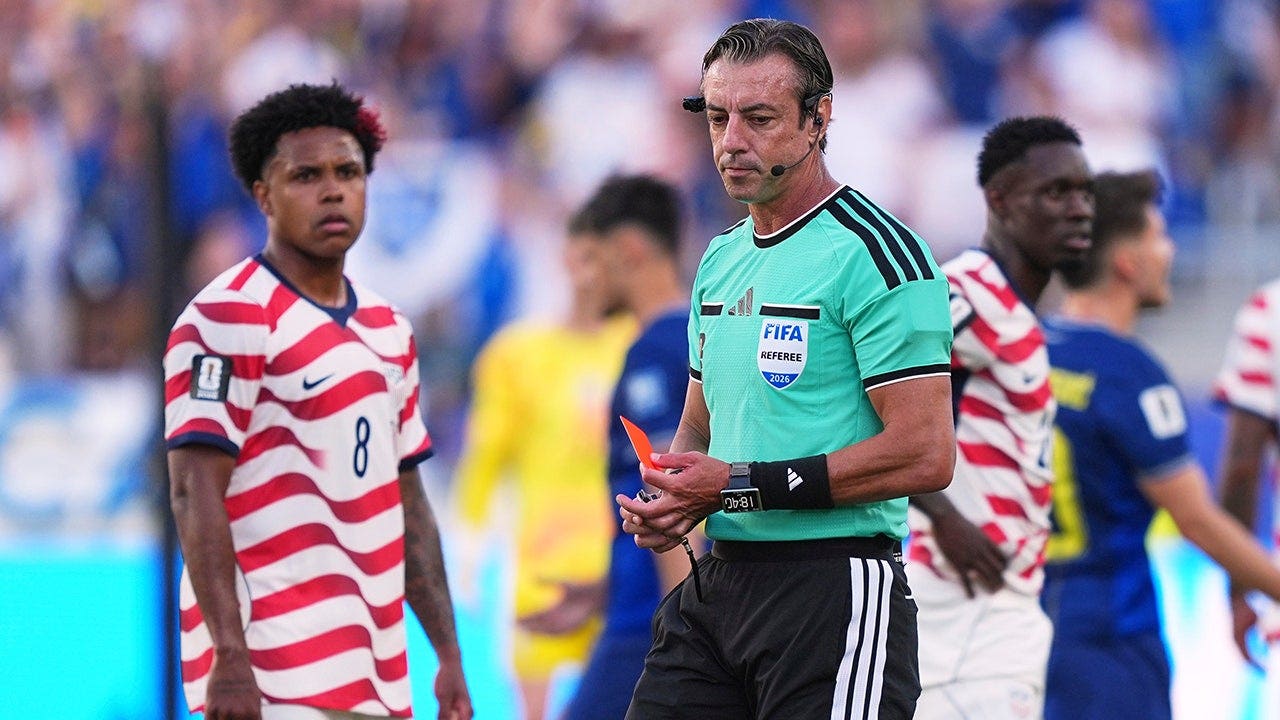
Weston McKennie didn’t mince words after Folarin Balogun was shown a red card and handed a suspension that rules him out of the upcoming Belgium match, calling the absence of an appeal process “bogus” and rattling the team’s rhythm just days before a high-stakes showdown.
The red card landed like a thunderclap the week before the Belgium game, and it immediately forced the U.S. camp to reshuffle plans and temper expectations. Players and staff moved quickly to steady the locker room, but the sting of losing a forward of Balogun’s caliber is obvious and immediate. That kind of disruption matters more when the opponent is one of the tournament heavyweights.
Weston McKennie put the frustration in plain terms when he labeled the inability to challenge the punishment “bogus,” a blunt assessment that echoed around social feeds and in the press. His remark captured a locker-room impatience that coaches often keep quiet about, and it highlighted a player-level desire for clearer recourse. When a teammate’s availability hinges on a single decision, trust in the process becomes as important as tactics.
The red card itself came after an on-pitch incident that match officials reviewed, and the competition’s disciplinary panel followed its established procedures to impose a ban. Those procedures can be airtight in one way and painfully inflexible in another, especially when a squad wants a second look. Fans and players alike know how a single call can flip momentum, but appeals systems vary widely by competition and governing body.
From a strategic perspective, losing Balogun forces the coaching staff to rethink forward combinations and game plans against Belgium’s defense. The U.S. still has options in its attacking pool, but chemistry and form don’t always transfer instantly between players. Whoever steps in will face pressure to deliver in a match where chances might be scarce and margins razor thin.
Social media quickly filled with takes from supporters, pundits, and former players debating fairness and consistency in discipline. Some pointed to past incidents where rulings were overturned or softened on appeal in other leagues and tournaments, while others urged patience and trust in the rules. The debate isn’t new, but it intensifies when a marquee contest is at stake and national hopes ride on split-second referee judgments.
The federation’s hands are somewhat tied when the competition’s rules limit appeals or require a specific window and evidence standard to overturn suspensions. That leaves management and players to wrestle with the fallout rather than the procedure itself. McKennie’s words functioned as both a protest and a prompt: a push for greater transparency and an argument that the system should allow for a timely, fair review when a key player is affected.
Practically, the team will now train with a slightly different rhythm, testing alternative combinations and sharpening the roles of those called upon to fill the void. Coaches tend to view such challenges as a test of depth and mental toughness, and how the squad responds could define its prospects against Belgium. Match day will reveal whether the disruption becomes a rallying cry or a lingering hangover.
Whatever happens on the pitch, McKennie’s remark has ensured the conversation won’t drift away quickly; it put a spotlight on disciplinary process design and the consequences of leaving no clear path for appeal. That scrutiny may prompt future tweaks in how suspensions are handled, or it may simply become another chapter in the never-ending debate about refereeing and fairness in football. For now, the focus returns to preparation and performance under pressure.
