
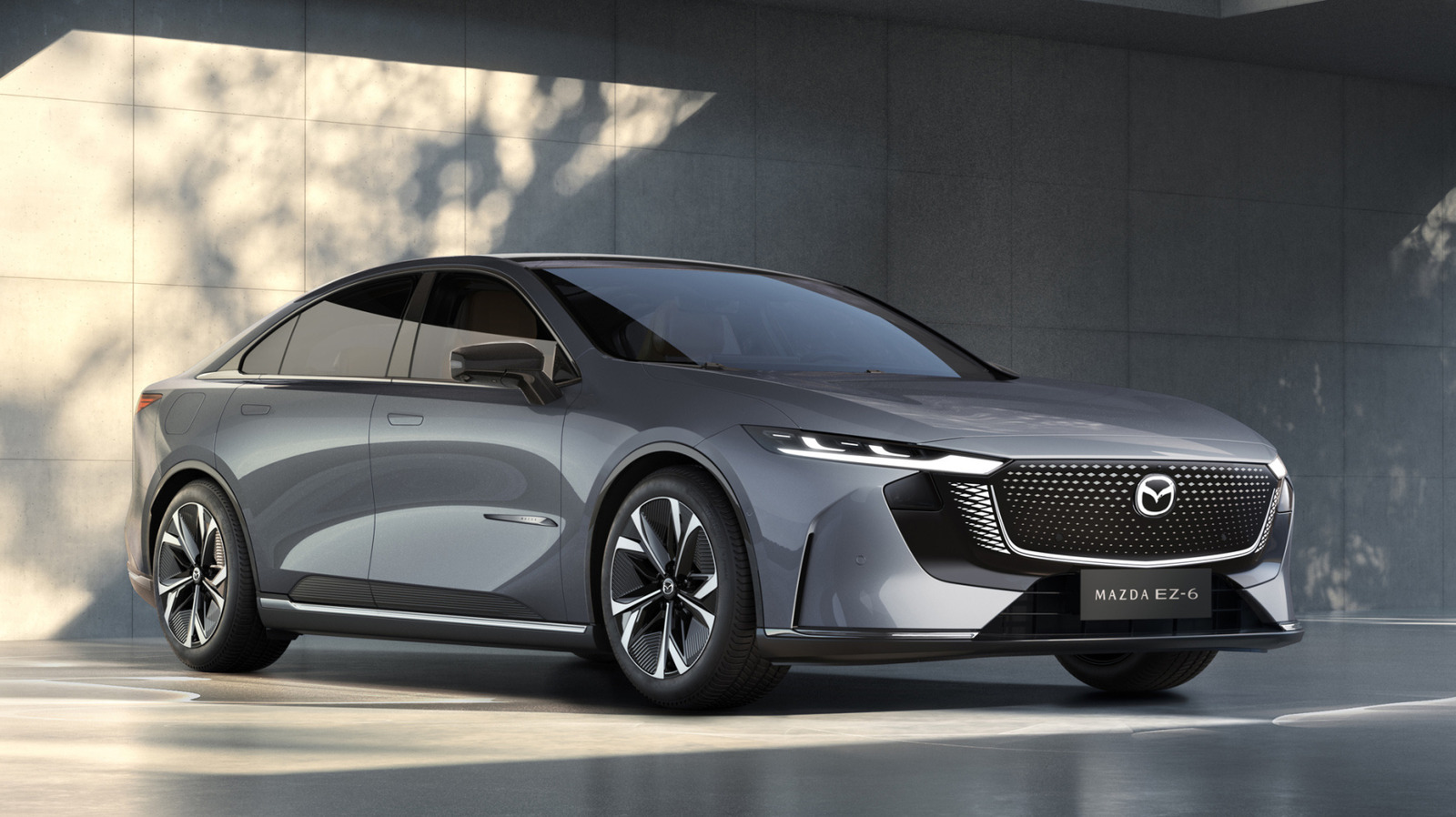
Mazda is quietly updating its badge in more places, and that small change hints at a larger shift in how carmakers think about identity, design, and the customer experience. The emblem refresh is part visual tweak, part signal: automakers are rebalancing heritage, modernity, and the way a logo functions across digital and physical spaces. What was once a metal ornament on a grille now has to work as an app icon, on-screen animation, and a global symbol that needs to scale. This piece walks through why the new Mazda emblem matters beyond cosmetics and what it says about brand strategy in the 2020s.
At first glance, a badge redesign looks cosmetic, but the reasons behind it run deeper. Carmakers today aren’t just selling sheetmetal and engines; they’re selling ecosystems — software updates, subscription services, and connected experiences. A logo that reads well on a hood may fail when shrunk to a phone screen or animated in a startup screen, so design teams are rethinking basic geometry and negative space to be more flexible.
Mazda’s new mark keeps familiar cues while simplifying shapes and lines so the emblem behaves consistently across contexts. That means stripping away fine detail, boosting contrast, and choosing proportions that work at postage-stamp scale. The effect is a cleaner, more digital-friendly look that still references the wings-and-motion motif fans recognize, allowing the company to preserve brand equity while modernizing the visual language.
Another factor driving the change is manufacturing and durability. Physical badges endure wind, road grime, and repeated washes, so refinements often include material and finishing updates that improve longevity. At the same time, designers are thinking about cost and ease of installation across multiple platforms, from traditional grills to plastic claddings on electric vehicle variants. Simpler designs can be more robust and more economical to apply at scale without looking cheap.
The move also speaks to global marketing. A logo that’s legible in multiple scripts and cultures helps a brand maintain coherence across regions. In many markets, people first encounter an automaker’s logo on social feeds, in-store displays, or streaming ads rather than on the road. Mazda’s updated emblem aims for instant recognition whether it’s presented on a billboard in Tokyo, an app icon in Sao Paulo, or a dealership banner in Oslo, making the brand feel unified and purposeful.
There’s a psychological element too. Subtle modernizations can signal that a company is forward-looking without alienating loyal customers. People form emotional attachments to symbols, and radical overhauls risk backlash. Mazda’s approach balances respect for heritage with a willingness to evolve, keeping enough of the original form to feel familiar while removing visual noise that no longer serves its diverse touchpoints.
Technology influences visual identity more than ever. Motion graphics, startup sequences, and in-car displays demand a mark that animates cleanly and reads at different frame rates. A logo that animates poorly undermines perceived polish, so designers favor forms that can transition smoothly from a static badge to a short flourish on startup. For Mazda, a small logo change is as much about the launch chime and screen fade as it is about the hood ornament.
Finally, the timing matters. The auto industry is in transition — electrification, software-defined features, and new ownership models change what a car brand promises. Updating the emblem is a low-risk way to communicate that the company is moving with the times. If it’s done well, customers barely notice the tweak but absorb the message: the brand is modern, adaptable, and ready for the next chapter of mobility.
