
The day following President Trump’s sweeping pardons and commutations for those involved in the January 6 events, many individuals remained confined in the DC jail. Despite the presidential action, only a small number of inmates had been released by midday Tuesday.
Outside the facility, a crowd of frustrated supporters, including Republican Representatives Andy Biggs, Lauren Boebert, and Chip Roy, gathered, passionately chanting, “Let our people go!” Their calls echoed as they awaited further releases.
The continued detention of these individuals raised significant legal concerns. The Fourteenth Amendment clearly dictates that no person should be deprived of life, liberty, or property without due process. Yet, these former inmates found themselves in a situation akin to unlawful detention, bordering on kidnapping, as described by Bill Shipley, a RedState columnist and legal representative for several January 6 defendants.
Shipley’s insights highlighted the urgency of the situation. He pointed out that any lawful authority to detain these individuals expired at the stroke of midnight on January 20. He emphasized that this was not just a bureaucratic oversight but a blatant violation of constitutional rights.
The U.S. Department of Justice, under Trump’s administration, reportedly directed the U.S. Marshals Service to intervene. With no federal holding facility in DC, defendants were housed under a contract with the U.S. Marshals Service.
Shipley suggested that officials responsible for the unlawful detention should face serious legal consequences, including possible arrests for violating civil rights statutes. The situation prompted discussions among lawmakers about potentially revisiting the concept of “Home Rule” in Washington DC, a move that could redefine the balance of autonomy and federal oversight in the capital.
On the scene, reporters captured the tense atmosphere outside the Washington DC correctional facility, where supporters and media awaited updates. Messages from inmates, like Dominic Box, circulated on social media, shedding light on the emotional and physical toll of their extended confinement.
The release of the remaining January 6 prisoners late that night brought relief to many, yet the ordeal left an indelible mark on those involved.
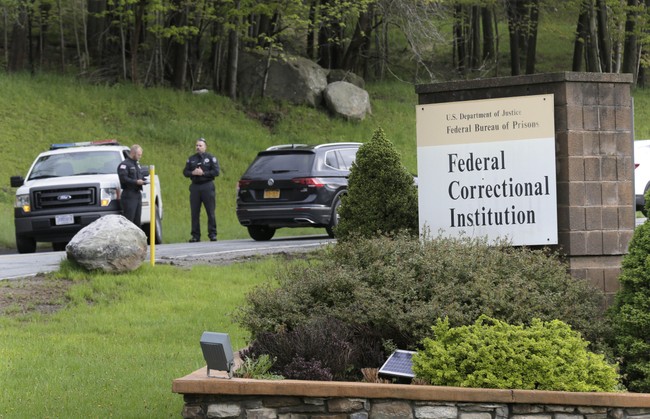
Despite the eventual release, the incident underscored systemic issues within the Federal Bureau of Prisons. Reports emerged of other facilities similarly delaying the release of pardoned individuals.
In one case, Matthew DaSilva, who had received a pardon from President Trump, remained in custody without explanation. Efforts by supporters to contact the facility went unanswered, fueling frustration and suspicion of intentional obstruction.
The release of Don Hazard on Tuesday afternoon was a moment of celebration for many. Supporters expressed their relief and gratitude on social media, capturing the joy of freedom regained.
Yet, this isolated victory could not overshadow the broader pattern of misconduct that seemed to pervade the federal prison system. Across the country, numerous cases of unlawful detention highlighted a troubling trend of disregard for presidential directives and legal mandates.
As the dust settled, it became clear that the only remaining January 6 defendants in custody were those with unrelated legal issues. This resolution, while a step in the right direction, fell short of addressing the systemic failures exposed by the ordeal. The expectation following a presidential pardon is prompt compliance, not bureaucratic delay. Instances of extended detention warrant thorough investigations and accountability for those responsible.
The events surrounding the delayed releases have sparked a broader conversation about the power dynamics between federal and local authorities. Advocates argue for stronger oversight and accountability mechanisms to prevent similar situations in the future. The call for justice echoes loudly, with demands for terminations and criminal prosecutions of those who overstepped their authority.
The aftermath of the January 6 detentions serves as a reminder of the fragile balance between security and liberty. It underscores the need for vigilance in protecting individual rights against governmental overreach. As the nation reflects on these events, the hope is for lessons learned to translate into meaningful reforms that uphold the principles of justice and freedom for all citizens.
