
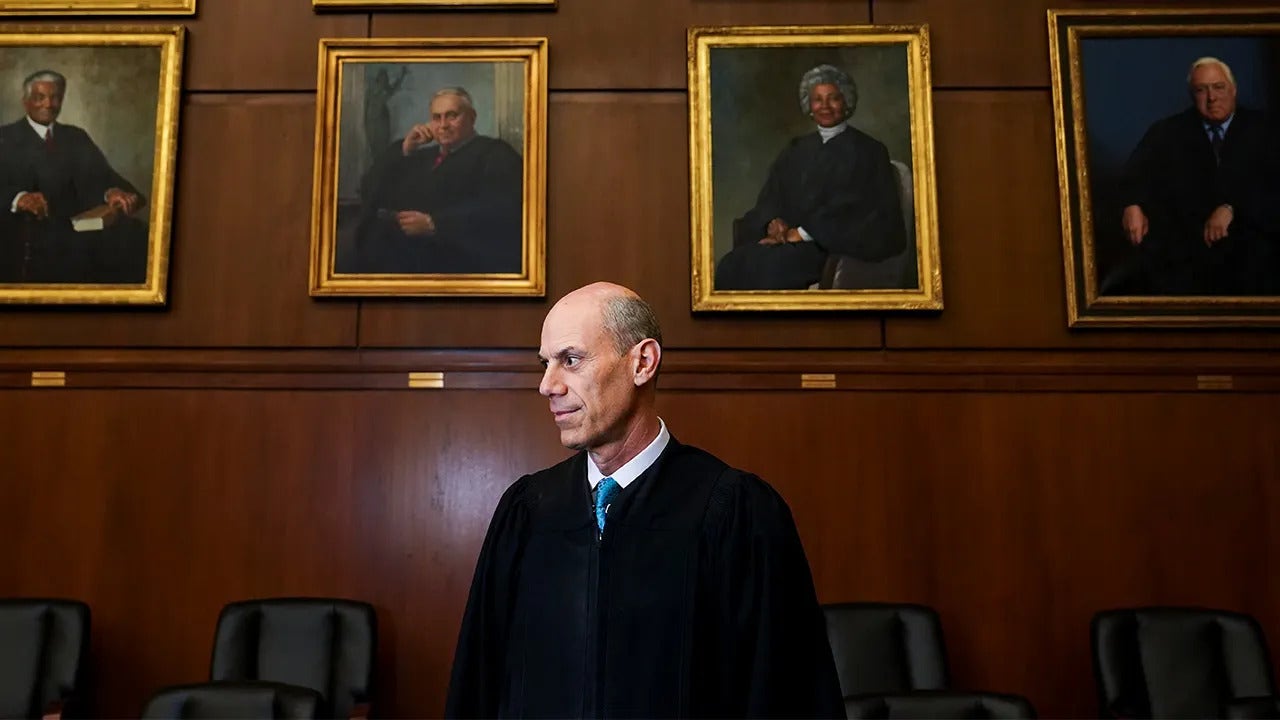
A federal judge with a long paper trail of clashes involving President Donald Trump is now handling a high-stakes dispute over whether records tied to Rep. Ilhan Omar’s home search should stay sealed. The fight sits inside a larger cloud of federal scrutiny around Omar, with investigators looking at possible discrepancies in financial filings and immigration-related questions tied to her family history. At the same time, the Justice Department is pushing back hard, saying the probe is still active and the public should not get access yet.
The warrant fight has turned into another headline-grabbing courtroom battle, and the judge at the center of it is U.S. District Chief Judge James Boasberg. He has become a familiar target for Trump and his allies, especially after earlier rulings that drew conservative backlash and fresh calls for impeachment. Now, instead of focusing on politics, Boasberg is weighing a request to unseal the search warrant used in the Oct. 12 raid on Omar’s Washington home.
That raid landed in the middle of a pair of federal investigations that have put Omar under intense pressure. One inquiry is tied to possible inconsistencies in financial disclosure filings, while another involves allegations that her father may have made false statements on immigration paperwork years ago. The second probe centers on whether Omar’s age was misstated in 2000, a detail that could have affected how her citizenship status was handled at the time.
Trump has been eager to turn the spotlight up even further. He has repeatedly attacked Omar over the years and has accused her of immigration fraud, including a claim about her first husband that Omar’s critics often repeat loudly and her defenders reject just as quickly. After the home search, Trump escalated again, saying she should be “put in jail.”
The sealing dispute itself has gathered an unusual mix of players. Three separate requests were filed to unseal the warrant, including bids from The New York Times, Judicial Watch, and 14 press organizations. Boasberg initially pressed the Justice Department to explain why the document should remain hidden, then extended the deadline after prosecutors said they needed more time because the search warrant had not been fully executed.
Jeanine Pirro, now the U.S. attorney handling the matter, has pushed back forcefully against the demand to open the records. “This request sounds rash because it is rash,” Pirro wrote. “The Court should reject it without prejudice for renewal after the search warrant has been fully executed and a charging decision is made public.”
The Justice Department’s position is straightforward: public release could jeopardize the integrity of the investigation. That argument has become the core of the fight, even as critics say the physical search already happened weeks ago and that any truly sensitive material could be blacked out instead of keeping the entire warrant under wraps. In that view, total secrecy goes too far, especially when the public already knows a raid took place.
Omar is also locked in a separate battle with federal prosecutors over property seized during the search. Her attorneys say agents overstepped, violated protections tied to her congressional work, and failed to give her a copy of the warrant. They have also claimed she was blocked from reaching her lawyers while the search was underway, adding another layer of friction to an already bitter case.
Boasberg’s involvement has only sharpened the partisan temperature because he is no stranger to controversy in Trump-world circles. In March 2025, after he temporarily blocked deportation flights carrying alleged Venezuelan gang members, Trump blasted him as a “Radical Left Lunatic of a Judge, a troublemaker and agitator” and pushed for impeachment. Trump also complained that it was “virtually impossible for me to get an Honest Ruling in D.C.”
The judge has also drawn fire from Republicans over other national-security and records decisions. In June 2025, he ordered federal agencies to preserve Signal messages exchanged by senior officials discussing military strikes in Yemen, and he has been criticized for nondisclosure orders that kept phone carriers from alerting Republican lawmakers about subpoenas during the Biden-era Arctic Frost investigation. Those rulings have made him a familiar name in conservative circles, and this Omar case is adding another blast of attention.
Boasberg’s record includes other moments that still rile Trump allies, including his handling of former FBI attorney Kevin Clinesmith. Clinesmith pleaded guilty to altering an email tied to the Foreign Intelligence Surveillance Court process, and Boasberg sentenced him to probation and community service, saying the misconduct damaged the court’s credibility while also noting the punishment already came with a heavy public price.
