
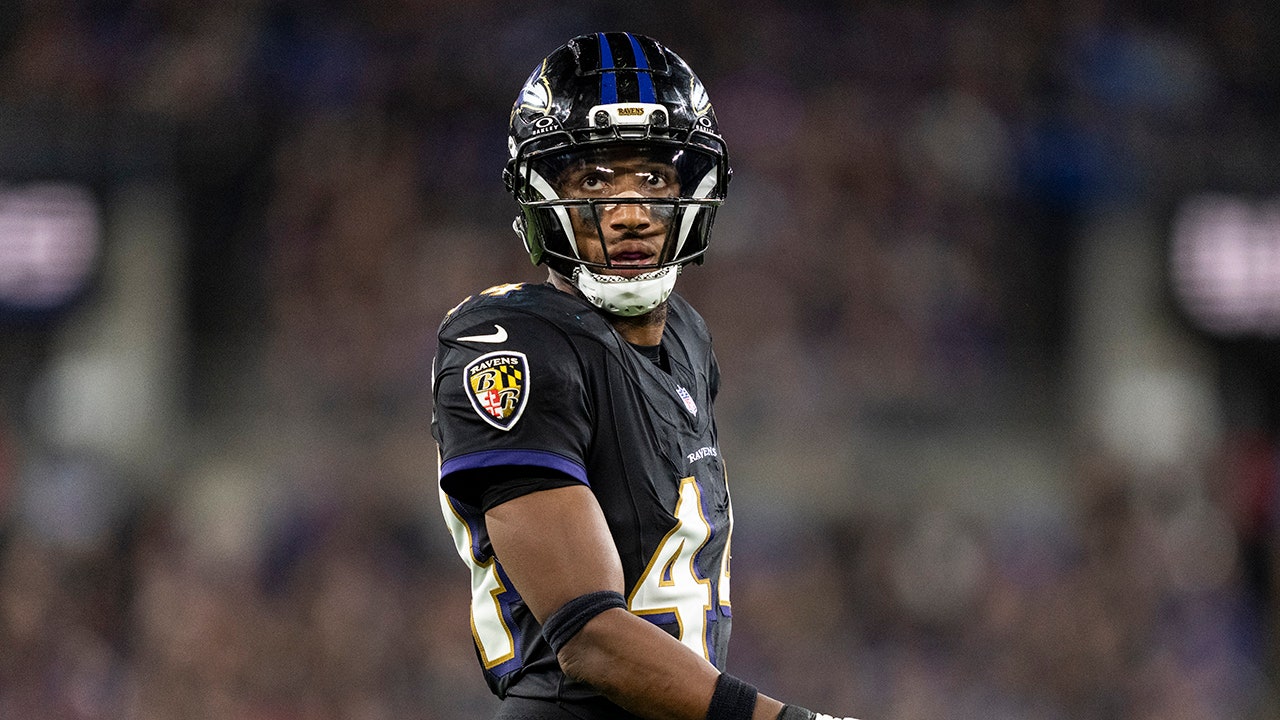
Baltimore Ravens cornerback Marlon Humphrey found himself in the middle of a messy NFL speech battle after a joke about crime in Baltimore sparked a suspension. The reaction has reopened a familiar fight over hypocrisy, selective outrage, and how much freedom players really have when their comments step outside the league’s preferred script.
Baltimore has been living with serious crime problems for years, and Humphrey’s comment landed because it touched a nerve that many people already feel every day. He made the remark on his podcast, calling the city “best at making criminals,” and the joke was quickly treated like a major offense.
The punishment stood out because the league and its teams have long tolerated, and at times encouraged, all kinds of political expression when it fits the moment. Players have knelt during the anthem, worn messages, and used games as a platform for causes, but speaking bluntly about urban violence is somehow a step too far.
That double standard is what makes the whole episode so hard to ignore. The message from the league seems to be that approved speech is welcome, while anything that disrupts the preferred narrative gets slapped down fast.
Humphrey’s comment may have been sharp, but it was also clearly a joke. It was not a racial attack, it did not call for violence, and it did not target some innocent group for blame.
Instead, the joke pointed at a grim reality that residents of Baltimore know too well. Crime in the city remains stubbornly high, and even with some improvement in recent numbers, Baltimore still ranks among the nation’s most dangerous places.
That is part of why the suspension feels less like discipline and more like image control. Teams and leagues often want the freedom to speak when it helps them, but they get uncomfortable the moment a player says something awkward, raw, or politically inconvenient.
The reaction from team leadership only added fuel to the fire. Once the suspension was announced, it looked less like a measured response and more like a public effort to show the right kind of seriousness, even if the underlying problem was not being addressed.
There is also the broader issue of workplace power. Employers do have the ability to limit speech in some settings, and pro sports teams are private businesses with their own rules, but that reality does not erase the free speech values at stake when people are punished for talking honestly about public problems.
This is where sports culture gets especially tangled. The same industry that regularly sells itself as socially aware can become rigid and defensive when a player speaks outside the approved frame, especially if the comment pushes against the league’s public messaging.
That tension has followed the NFL for a long time, and it never really goes away. Players can be celebrated for activism one day and criticized the next for saying something that makes owners, coaches, or league officials uneasy.
Baltimore’s leaders also stepped into the dispute, making the whole thing feel even more performative. A city struggling with violence does not need polished talking points as much as it needs real safety, real accountability, and less hand-wringing over a joke that exposed an uncomfortable truth.
Even Humphrey’s apology could not wipe away the larger point. The league’s instinct is often to protect its brand first and sort out the speech issue later, which leaves players guessing about where the invisible line actually is.
That is why this controversy resonates beyond one cornerback and one podcast comment. It taps into a much bigger frustration about institutions that preach openness until someone says something they do not like, then suddenly rediscover the language of discipline and standards.
For plenty of fans, the real story is not that a player made a crude joke. It is that the NFL keeps proving how fast it can turn from champion of expression into referee of thought the moment the conversation stops being comfortable.
