
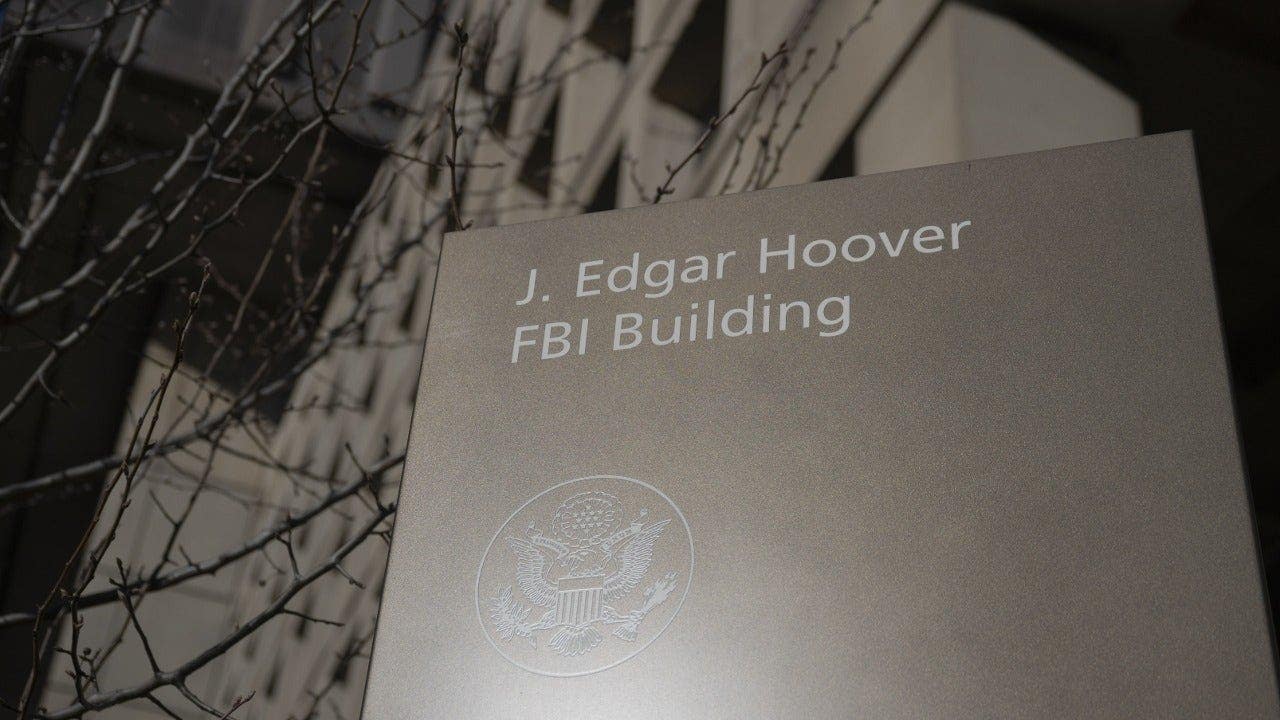
Hackers have reportedly gotten into the FBI’s National Crime Information Center, putting one of the country’s most important law enforcement databases back in the spotlight after a fresh cyber incident. The breach is under investigation, the scope is still murky, and the timing is hard to ignore because it follows another recent hit on bureau systems.
The NCIC is not some dusty back-office file cabinet. It is a live, high-stakes tool used by federal, state, and local agencies to flag fugitives, track registered sex offenders, and help screen gun background checks, which means even a small crack in the system can ripple far beyond Washington.
According to people familiar with the matter, the FBI is trying to figure out how the breach happened and whether any sensitive data walked out the door. So far, there is no clear public answer on what was exposed, but the uncertainty alone is enough to raise alarms across law enforcement circles.
President Donald Trump said he had “just heard” about the intrusion when asked about it during an interview, and he did not hide his frustration. “I will say that it’s not good. I don’t like that,” Trump added.
The bureau has not publicly commented on the reported cyberattack, while outside reporting first brought the matter into view. That silence leaves a lot of room for speculation, but it also underscores how carefully the FBI is likely moving while investigators trace the digital trail.
This latest breach lands after a rough stretch for the bureau. In September, the hacking group ShinyHunters claimed it had broken into the FBI’s job portal, allegedly chasing personnel files and sensitive details tied to agents and staff.
Those claims were not small. The group said it had obtained names, home addresses, Social Security numbers, assignments, and in some cases information about family members, a haul that would be a nightmare for any agency and a very real security risk for the people who work there.
The response to that earlier breach has already turned into a broader law enforcement effort. Canadian cybersecurity executive Edward Dubrovsky was arrested in October and faces federal extortion conspiracy charges tied to the investigation, according to court records and law enforcement sources.
FBI Director Kash Patel also said the bureau had made a “suspected co-conspirator” arrest, and he framed it as part of a wider push to break up the network behind the attacks. “This is the latest arrest this FBI has made in a matter of days involving this network, as we work non-stop to dismantle the group, pursue new leads and evidence, and act quickly,” Patel said in a statement at the time. “We will continue to work closely with our partners to disrupt what’s left of the ShinyHunters group and their associates, no matter where they operate.”
The recent incidents are not happening in a vacuum. They fit into a larger pattern of cyber intrusions that expose how much modern policing depends on digital systems that are constantly under pressure from criminals, extortion crews, and opportunistic hackers.
That pressure has shown up before. In 2023, hackers penetrated a computer network at the FBI’s New York field office that was used in child sexual exploitation cases, and that system also held material tied to the Jeffrey Epstein probe.
For an agency built around protecting secrets, chasing fugitives, and keeping violent offenders off the street, another breach hits a nerve. The next steps in the investigation will matter a lot, especially if the attack touched records that officers rely on every single day.
