
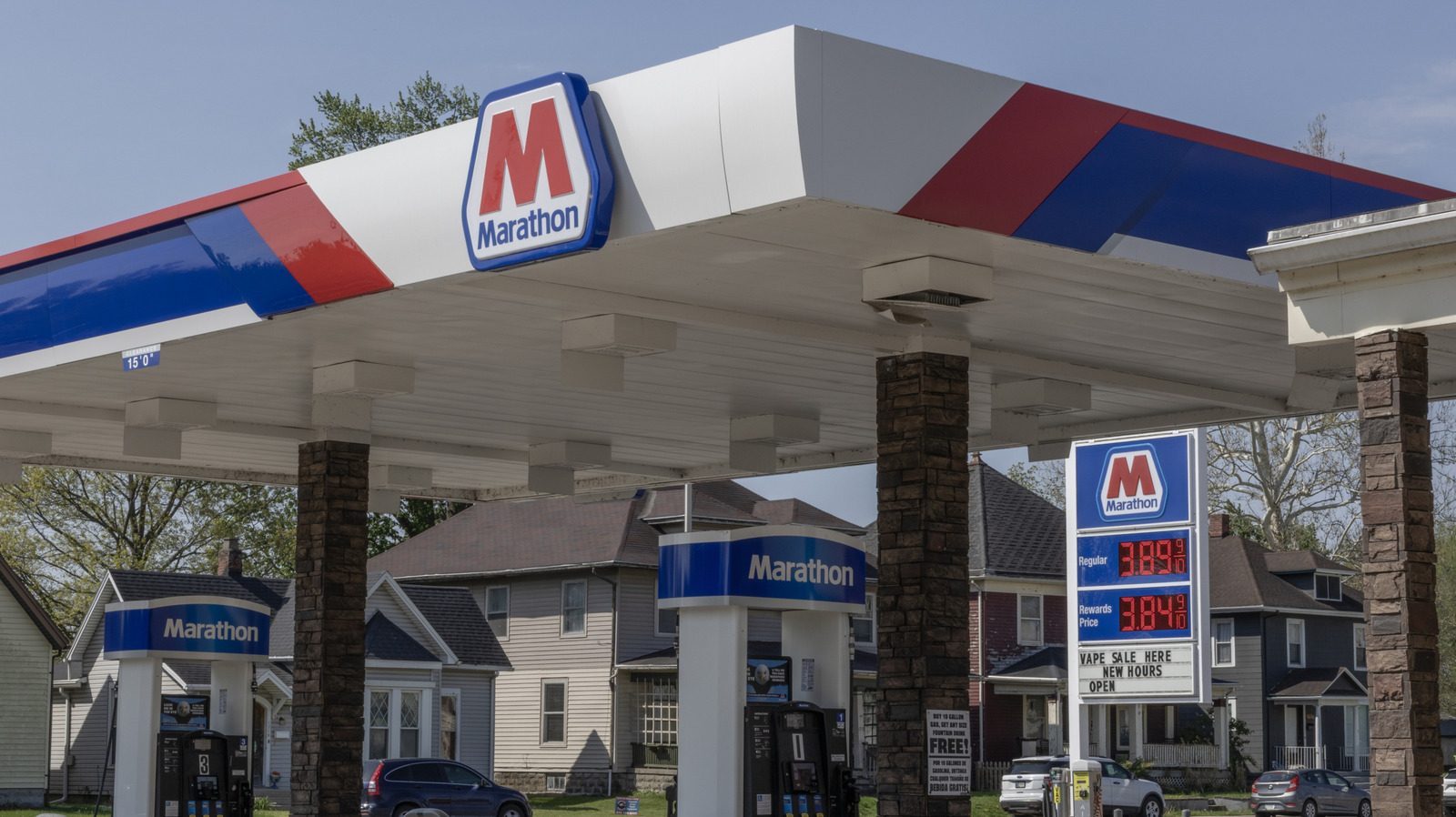
Marathon Gas Stations have a tangled corporate past that stretches back decades, marked by mergers, spin-offs, regulatory fights, and a pivot into biofuels and retail convenience. This piece unpacks the essentials of that journey, showing how ownership shifted, why regulators stepped in at times, and how the brand we pump into today emerged from a complex business maze.
The earliest roots of Marathon’s brand identity come from an era when big oil firms were building nationwide networks and experimenting with vertical integration. Over time, ownership of service stations and refining assets moved through a succession of corporate strategies: buyouts to gain market share, divestitures to slim down balance sheets, and reorganizations to separate refining from exploration. That constant reshuffling left a patchwork of regional footprints and franchise arrangements that still shape where Marathon pumps appear on maps.
Mergers have been a recurring theme, often driven by the classic industry urge to chase economies of scale. When companies merge, they add refineries, storage, and retail outlets, but they also inherit different management philosophies and legacy agreements. Those inherited pieces sometimes lead to later sales or carve-outs when the combined entity decides to focus on a narrower set of operations.
Spin-offs and breakups played their part as well, occasionally forced by market realities or regulatory pressure. Antitrust regulators have at times required companies to divest assets to keep competition alive, which fragmented what might otherwise have become dominant regional monopolies. The result: rival brands got breathing room, and local ownership patterns often shifted back and forth as outlets changed hands.
Ownership changes didn’t just shuffle signs above pumps; they altered supply chains and product strategies, too. Some owners emphasized refining throughput and wholesale contracts, while others leaned into the retail experience, upgrading convenience stores and loyalty programs. Every change in corporate stewardship nudged the brand in a slightly different direction, which is why station-to-station experiences can vary so much under a single name.
More recently, biofuels and renewable fuel initiatives became another vector for corporate repositioning. Investments in ethanol blending and renewable diesel required new partnerships and sometimes joint ventures with specialist producers. Those moves reflected both regulatory incentives and changing consumer demand, and they reshaped where and how certain fuels were offered at the pump.
Regulatory scrutiny has been a constant companion for large players in the industry, and Marathon’s corporate shifts were no exception. Regulators focus on preserving competition at local levels, which means national deals can trigger local divestitures. Firms often respond by selling specific stations or storage terminals to satisfy oversight, creating fresh opportunities for independent operators or regional chains.
Franchise arrangements and licensing deals added another layer of complexity to ownership patterns. Some locations operate under franchise agreements while others are company-owned, leading to diverse operational standards and investment priorities. That split helps explain why a Marathon station in one city might look modern and full-service, while another seems dated and independently managed.
The brand also weathered industry-wide trends such as shifts in transportation, loyalty tech, and convenience retailing. Expanding convenience-store offerings, improving payment systems, and experimenting with quick-serve food all required owners to make capital decisions about individual outlets. Decisions about which stations to retrofit, divest, or rebrand were influenced by both local market dynamics and the broader corporate playbook.
Local communities often felt the impact of ownership churn, especially when popular neighborhood stations changed hands or closed. Employees, franchisees, and shoppers all had to adapt to new management styles and product lines. Sometimes divestitures returned stations to local ownership, which could restore a sense of familiarity after a period of corporate rotation.
Looking at today’s map of Marathon-branded pumps, you see a legacy shaped by strategic deals, regulatory nudges, and market experimentation with alternative fuels and retail formats. That history explains why the Marathon name can carry both the weight of a national energy player and the variability of regional execution. The network that fills the gas tanks of millions is the product of decades of buying, selling, splitting, and reinventing.
Ownership will likely keep shifting as energy markets change and new regulations or technologies emerge. Whether the next big move is consolidation, a push into new fuels, or a wave of local buyouts, the Marathon story shows how the simple act of filling a tank ties into a complex corporate and regulatory ecosystem. Consumers notice the brand, but behind every pump lies a story of boardroom decisions and policy-driven reshuffles that shaped the station they visit.
