
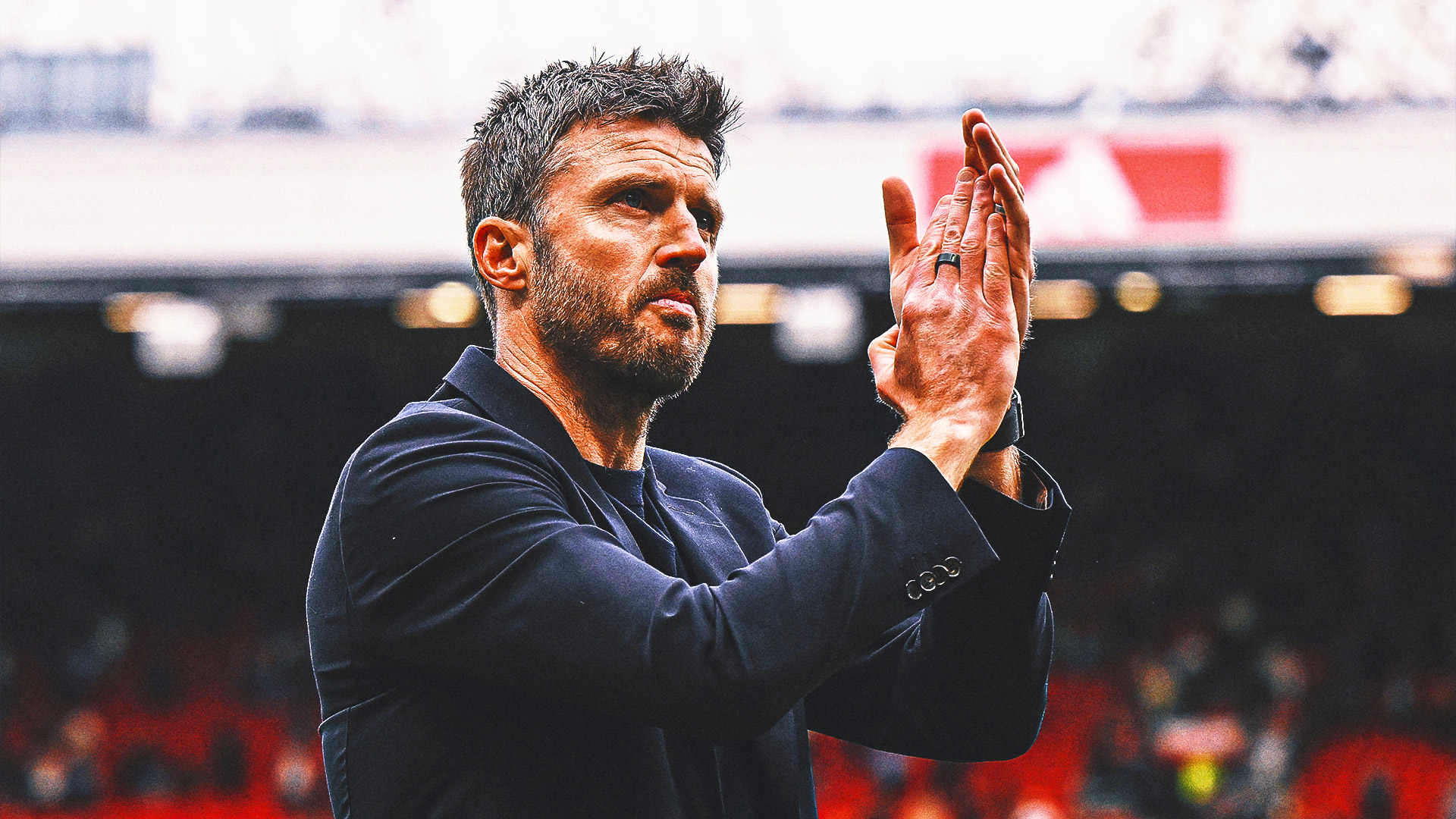
Manchester United have officially confirmed the permanent appointment of interim head coach Michael Carrick on a two-year contract keeping him at Old Trafford until 2028. The club has moved quickly from interim to permanent, betting on internal stability and Carrick’s clear relationship with players. This decision closes a short, intense chapter and opens another where expectations will be loud and constant.
Carrick steps into a role he already knows intimately, having been inside the dressing room as a coach and former player. That continuity matters at a club that has lived through frequent managerial churn. Players who responded to his interim stewardship will expect a consistent voice and a clear plan now that the deal is formalized.
On paper the two-year commitment signals a pragmatic approach from the board: enough time to build, not so much time to let uncertainty fester. Carrick’s reputation for calm and tactical understanding is a contrast to the splashy hires that have characterized recent years. If results follow, the club gets coherence; if they do not, the relatively compact contract limits long-term fallout.
Fans will be watching how Carrick blends his footballing instincts with the pressure cooker of Premier League expectations. His challenge is to translate respect and familiarity into a team that can consistently grind out wins. That means setting standards in training, commanding attention in selection decisions, and making bold choices when fixtures demand them.
Squad management will be a major test. United’s roster is talented yet unbalanced, with issues in defense and midfield rhythm that have lingered through multiple managers. Carrick must navigate transfers, playtime for rising youth, and the delicate egos of established stars. Success will depend as much on man management as tactical tweaks.
Style of play matters to supporters who crave identity as much as points. Carrick’s teams will be judged on whether they can impose themselves without sacrificing solidity. He inherits the task of blending attack-minded ambition with defensive accountability, a balance United has chased for seasons.
Expect scrutiny on Carrick’s choices around recruitment and backroom staff. A head coach who was promoted internally needs a strong technical team and clear scouting input to shape the squad over the coming windows. The first transfer periods under his watch will be read as indicators of intent by fans and pundits alike.
Pressure will be immediate; Old Trafford does not afford long grace periods. Every tactical decision will be magnified, and the media microscope will stay fixed on results. Yet the club’s decision also reflects a willingness to trust a known quantity, a leader who has earned credibility within the club’s walls.
Long-term success will hinge on more than wins and losses. It will require Carrick to define a culture, develop young talent, and steady a ship that has been listing. The next two years will test whether this appointment becomes a turning point or another short chapter in United’s search for lasting direction.
