
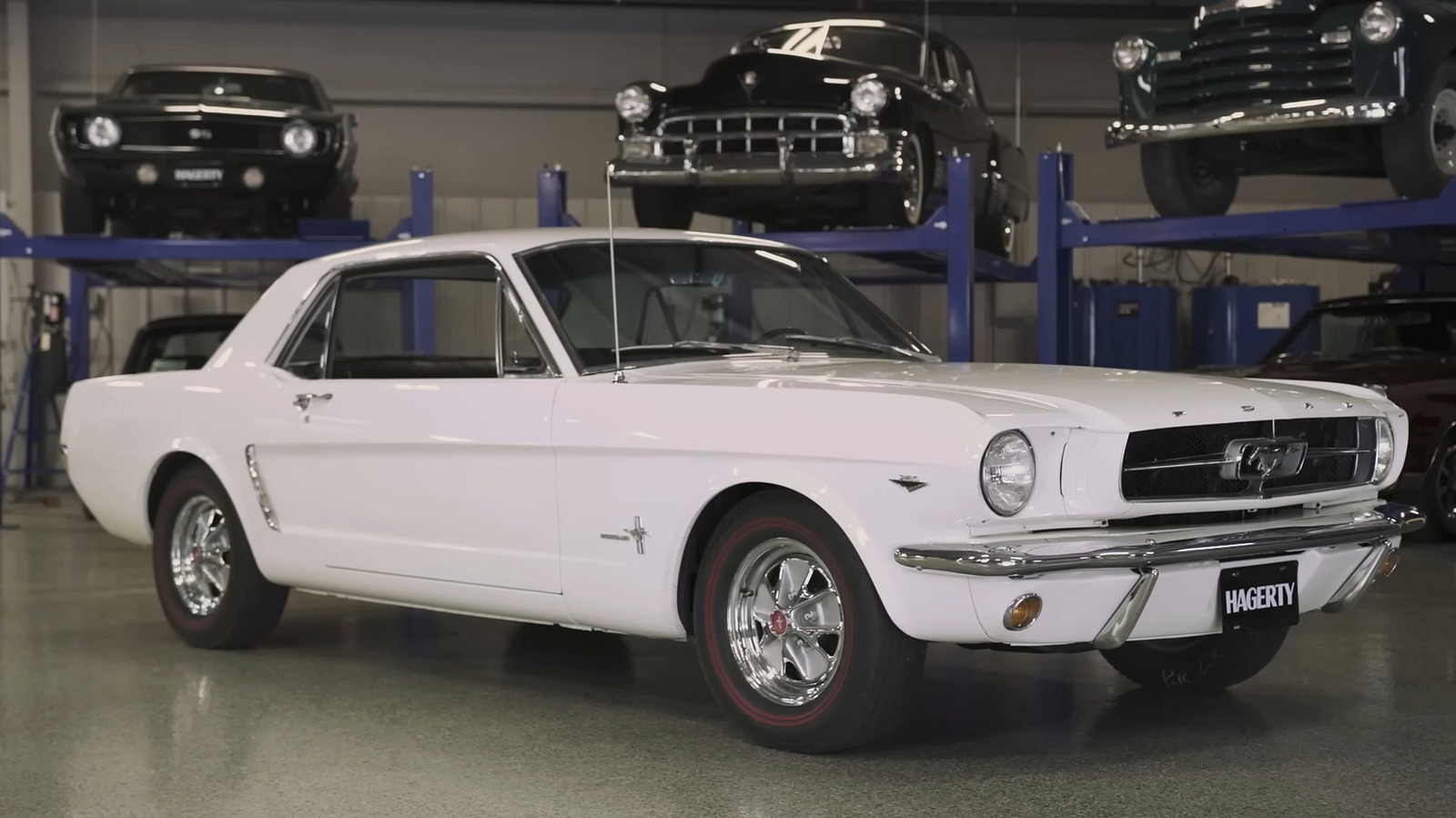
Everyday cars can quietly become unexpected collectibles, and this piece explores how that transformation happens, what clues to watch for, and practical steps owners can take to protect potential value. It looks at design quirks, limited runs, cultural moments, and the paperwork and care that turn a used commuter into a sought-after classic. If you own an older vehicle or just enjoy car culture, these are the real signs that a car might be worth more than you think.
Some cars jump in value because of rarity, not because they were fast or fancy to begin with. Limited production runs, special edition trims, or models pulled from sale early can leave very few examples on the road, and scarcity drives collector interest fast. When a marque has a small, distinct population, even small mechanical or aesthetic differences make certain cars stand out to enthusiasts.
Popular culture can flip the script on a humble vehicle overnight. Appearances in movies, TV shows, or viral online content turn specific years and trims into icons that collectors suddenly want. If a model becomes tied to a defining cultural moment or a famous person, demand can spike and keep climbing long after the spotlight fades.
Condition matters, but context matters more for emerging collectibles. A pristine daily driver is worth less to collectors than a low-mileage original that still carries its factory options and documentation. Original paint, matching numbers, and unmodified mechanical parts often outweigh cosmetic upgrades when buyers seek authenticity rather than just looks.
Documentation and provenance are surprisingly powerful value multipliers. Service records, original bills of sale, and even old owner manuals help confirm a car’s history and support higher asking prices. Buyers pay for confidence, so keeping receipts, inspection reports, and photos of major repairs can make a big difference at sale time.
Modifications cut both ways: some tasteful, period-correct changes can boost appeal, but heavy customization tends to narrow the buyer pool. Cars kept close to factory specs typically attract purist collectors who are willing to pay premiums. If you prefer upgrades, document every change and keep removed original parts so you can restore the car if a future buyer wants stock condition.
Maintenance and storage choices play a major role in preserving future value. Rust prevention, proper fluid changes, and storing a car in a dry, climate-controlled space slow deterioration more than any cosmetic touch-up. Regular, modest maintenance documented over years tells buyers the car was cared for, and that steady care often pays off at resale.
Market timing and patience are part of the equation: some cars take decades to find their moment while others peak quickly then level off. Pay attention to enthusiast forums, auction results, and club activity to read demand trends early. If your car ticks enough boxes—rarity, cultural cache, original condition—hold onto the paperwork, treat it well, and you may be surprised what a former daily driver becomes.
