
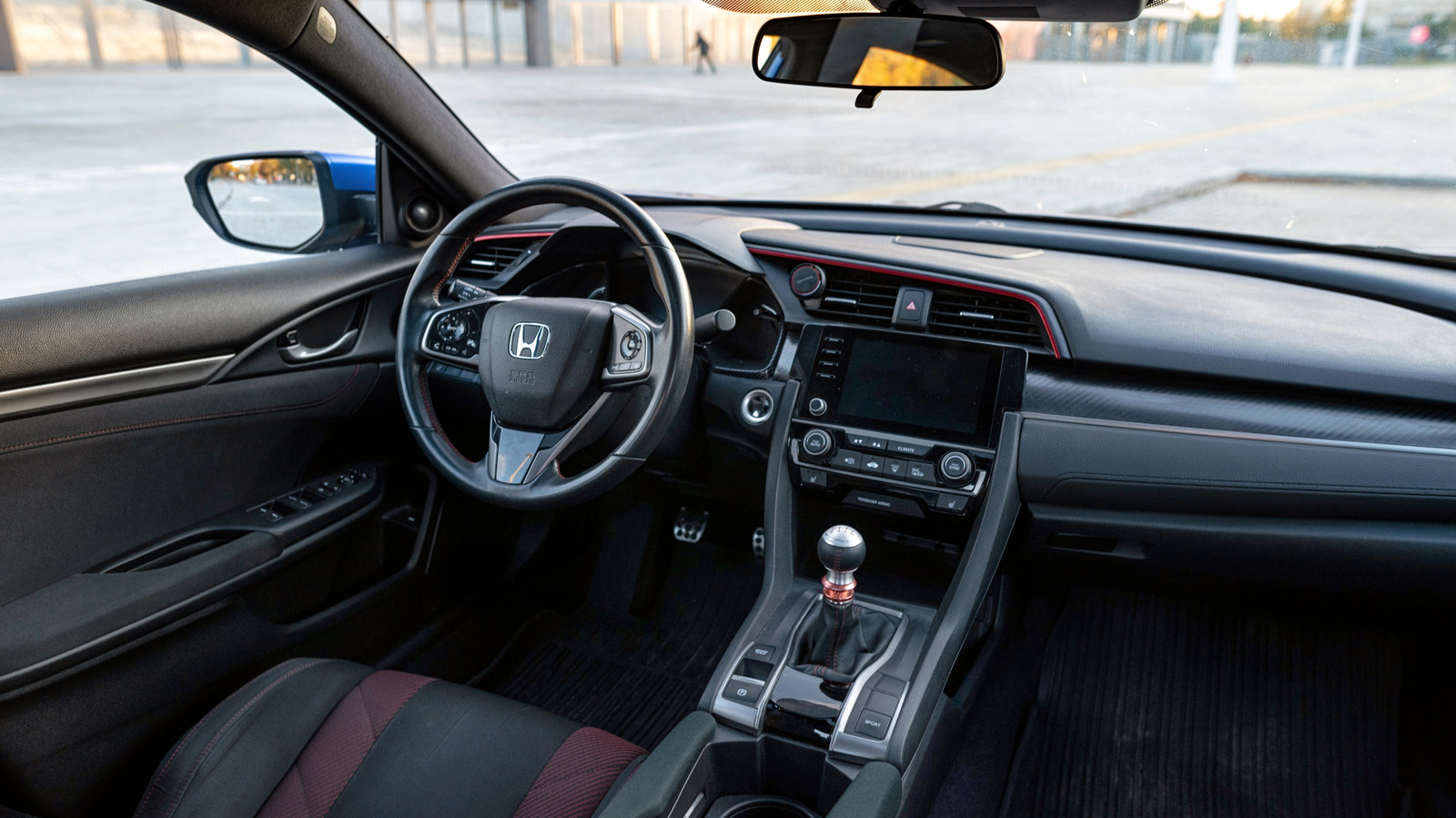
This piece explains why learning to drive a manual transmission changes more than your shifting skills; it sharpens awareness, improves control, and reshapes how you read the road. Expect practical benefits, common misconceptions, the real gains in safety and efficiency, and tips on how to get started without drama. The tone is straightforward and conversational, aimed at drivers curious about whether a clutch and stick still matter today.
Learning a manual forces you to pay attention to what the car is doing, not just where your hands are. You watch engine sound, feel gear engagement, and anticipate shifts, which teaches predictive driving. That kind of attention reduces surprises on busy roads and makes you less dependent on lane sensors and automation.
Clutch work and rev management give you more control over speed and traction than most automatics offer. Engine braking becomes a tool for slowing smoothly on descents, saving your brakes and offering a steadier feel in stop-and-go conditions. That control can be especially useful in slick weather where feathering the clutch and modulating throttle keeps the car balanced.
Manual drivers often notice they become better at judging distances and timing lane changes. The process of shifting adds rhythm to driving; you learn to coordinate eyes, hands, and feet in a way that reduces late decisions. That rhythm can turn chaotic traffic into a series of smaller, manageable tasks instead of one big stressor.
There’s a myth that manuals are always slower or less efficient than automatics, but the truth depends on how you drive. A skilled manual driver can match or even outperform some automatics in fuel efficiency by shifting at optimal RPMs. Conversely, sloppy shifting negates any advantage, so it’s about skill, not the gearbox itself.
Maintenance expectations are different but not necessarily worse. Clutches wear out over time, yes, but they are often cheaper to repair than complex automatic transmissions when problems arise. Manuals have fewer hydraulic and electronic components, which can mean simpler diagnostics and repairs down the line.
Learning a manual also gives drivers a fallback option if technology fails. With fewer electronic dependencies, a stick-shift car can be easier to revive after electrical gremlins leave an automatic stranded. That resilience appeals to people who value mechanical simplicity and want hands-on control during unexpected situations.
Some drivers say manuals are just more fun—and that’s a valid reason. Shifting gears feels tactile and responsive in a way that most automatics can’t replicate. That enjoyment can translate into more engaged driving, which often equals safer decisions simply because you’re more present behind the wheel.
For anyone starting out, the first lessons are all about patience and repetition. Practice clutch control in an empty lot, learn to find the bite point without stalling, and work up to stop-and-go traffic gradually. Short sessions over several days beat long, frustrated marathons and build muscle memory far faster.
Manuals won’t be for every driver, but they offer real, tangible benefits beyond nostalgia. They improve situational awareness, give you mechanical sympathy, and can enhance safety through better vehicle control. If you value engagement and predictability on the road, learning to drive a stick is a practical skill worth picking up.
