
- City-run grocery stores and discounted pricing
- Thin grocery margins and taxpayer exposure
- Pressure on private supermarkets and neighborhood businesses
- Risk of waste, resale abuse, and lower quality
- History of government grocery failures
- Alternative ways to help food access without state-run stores
Zohran Mamdani’s push for city-run grocery stores lands like a blunt-force lesson in how fast a feel-good idea can turn into a public bill. The pitch sounds simple enough: cheaper food, more access, less pain at the register. But once the numbers get real, the whole scheme starts looking less like a solution and more like a taxpayer-backed drain.
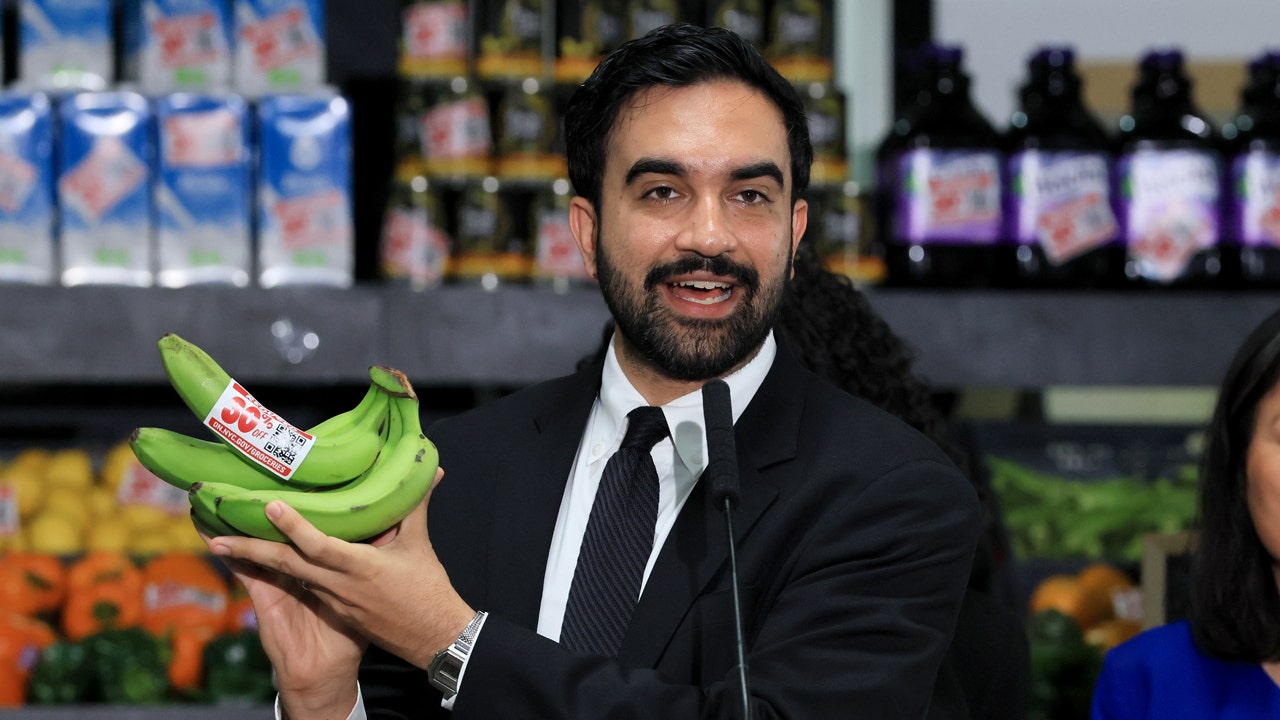
Grocery retail is not some cash machine sitting on a mountain of profit. Most stores survive on razor-thin margins, often around 2%, which means there is barely any room to slash prices without somebody eating the loss. If a city store undercuts private grocers by 30%, that gap does not vanish into thin air. It gets shoved onto the public balance sheet.
That is the part supporters tend to glide past. A government store does not magically become efficient just because it is stamped with a public seal. It still has to buy inventory, pay workers, handle waste, manage security, and keep shelves full, only now it is doing all that with political oversight and taxpayer money instead of market discipline.
The result could be brutal for existing neighborhood stores. Independent grocers and bodegas already live on tight margins, and a subsidized city competitor nearby could pull away customers fast. Some stores would close, others would shelve expansion plans, and neighborhoods that depend on private food businesses could end up with fewer real options, not more.
There is also the obvious temptation built into a deep discount. If groceries are sold far below market price, people will find ways to game the system, whether by reselling goods or bulk-buying items meant for local shoppers. Once that happens, the city has to tighten rules, police checkout lines, and somehow decide who is a normal customer and who is a middleman looking for a profit.
That kind of setup almost always spirals. Keep prices low, and the losses grow. Try to rein in losses, and the promised bargain starts to fade. Then the public gets stuck with an awkward middle ground: a store that is still expensive for taxpayers but no longer impressive enough to justify the headache.
New York already knows what government bloat looks like when it tries to run essential services at scale. The transit system is a painful example of how public management can become a giant subsidy machine instead of a lean operation that serves residents well. If the same mindset drives grocery stores, the outcome is easy to guess: more spending, more bureaucracy, and more excuses.
That is why this idea feels so backwards. Instead of leaning on private grocers that already know how to source food, keep shelves stocked, and survive competition, the city would be building a parallel system that depends on permanent support. Once that happens, every cheap banana comes with a hidden receipt attached.
There are smarter ways to bring down food costs without turning supermarkets into political projects. Cut the taxes and fees that make operating in the city so punishing. Ease the zoning and parking rules that choke off new stores. Open up underused public space to real grocers, and let private businesses do what they do best: serve customers without turning the cash register into a subsidy counter.
That approach would actually expand food access instead of dressing up public failure as compassion. It would help stores open, help prices compete, and help neighborhoods keep the businesses they rely on. The city can either support groceries or try to replace them, but it should not pretend those are the same thing.
