
America’s navigation backbone is under attack in plain sight, and the warning signs are getting louder. Iran’s actions in the Strait of Hormuz showed how quickly satellite signals can be pushed aside, while the explosion of jamming and spoofing around the world proves this is no niche military problem anymore. What used to feel invisible and dependable now looks fragile, expensive, and way too easy to disrupt.
For years, the world treated GPS like a quiet utility that would always be there, humming along in the background. It does far more than guide a phone map, since it helps time financial trades, coordinate the power grid, support cellular networks, and steer ships, planes, tractors, and troops. That tiny signal from space has become a giant pillar under modern life, and that is exactly why enemies want to shake it.
The danger is not theoretical. In 2024, global aviation recorded roughly 430,000 jamming and spoofing incidents, a staggering 62% jump in a single year. Even more unsettling, cheap gear built from off-the-shelf parts can interfere with the system, which means the barrier to disruption is low and the payoff for chaos is huge.
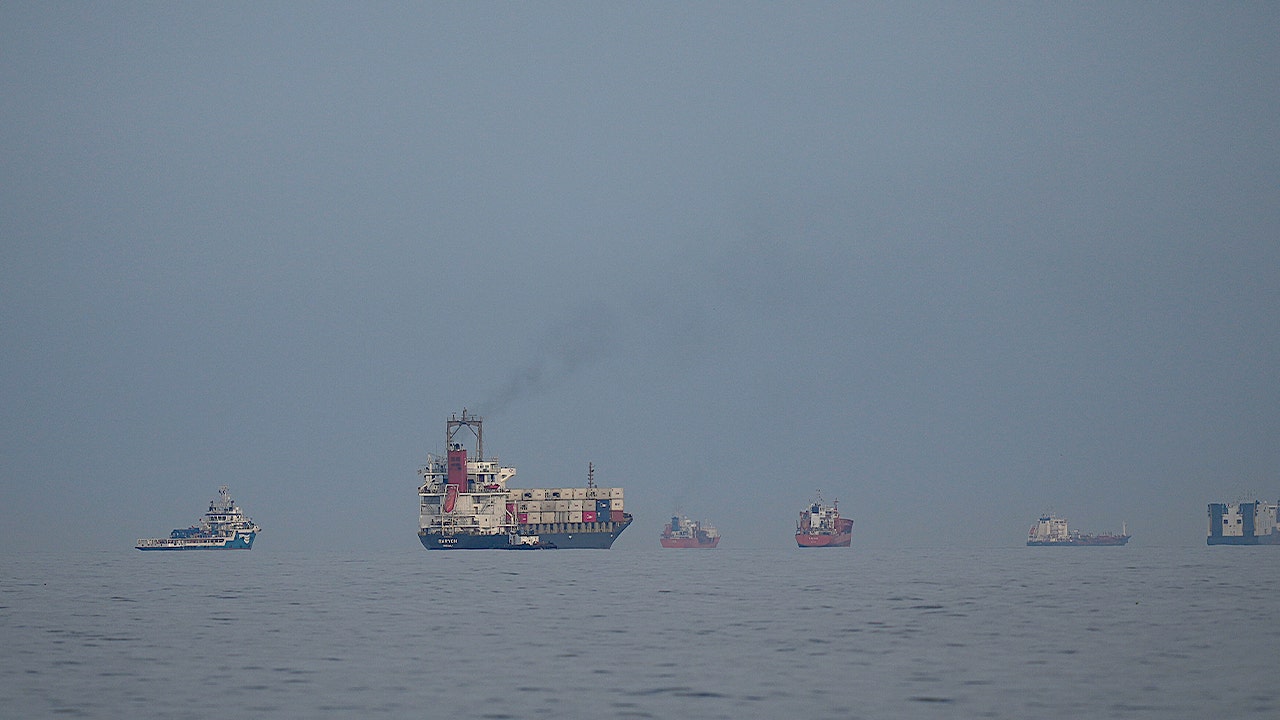
The Strait of Hormuz offered a brutal lesson in how quickly confidence can collapse. Ships that should have been easy to track suddenly showed up in absurd places, including airports and even deep inside Iranian territory, forcing crews to rely on radar instead of the satellite tools they normally trust. That kind of confusion is not a glitch, it is a preview of how hostile actors can twist an essential system until nobody knows what is real.
The military feels this pressure too, and the risks are not small. GPS helped modern forces operate with speed and precision, but today’s service members are relying on a system designed in another era, when the threats were simpler and the sky was less contested. In combat, that weakness can turn into lost timing, broken coordination, and dangerous blind spots at the worst possible moment.
There is no magical patch for a flaw built into the physics of the system. A weak signal coming from orbit will always be vulnerable to a nearby jammer with a stronger punch, and small tweaks cannot change that basic reality. M-Code and other upgrades help at the edges, but they do not erase the fact that the core architecture was never built for a world this hostile.
That is why resilience has to become the priority, not just cleverer electronics or promises that the old system can be stretched a little further. Critical infrastructure needs backups that do not fold the second GPS gets jammed, and federal standards should demand that level of toughness instead of assuming the legacy network is enough. Farmers, airline crews, utility operators, and shipping companies all have skin in the game, because a failure in one sector ripples fast into the others.
The bigger lesson is hard to miss: adversaries study what America relies on and aim straight at the weak point. Iran showed how a choke point can be pressured without firing a shot, and the same playbook now hangs over the global navigation system that the United States helped create. The next edge in this fight will belong to the country that moves fast, fields resilient alternatives, and refuses to leave its most vital systems hanging on a signal that can be knocked around from a basement with the right equipment.

1 Comment
Can we Counter??
OK DOW get moving