
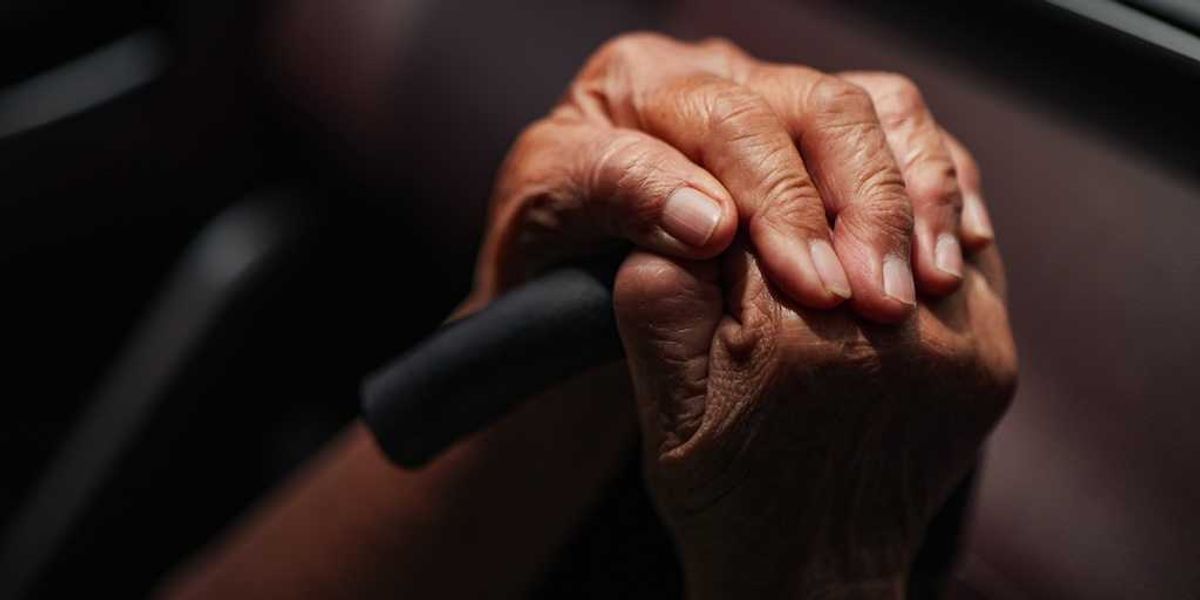
Long before a policy debate reaches a ballot box or a hospital hallway, it reaches the tired, hurting people living inside it. That is where the pressure around assisted suicide and euthanasia feels most real, especially for those facing chronic pain, caregiving strain, and the quiet fear that suffering might become the thing that decides everything. Faith, family duty, and raw human vulnerability all collide in that space, and the stakes are anything but abstract.
Some laws promise choice, dignity, and control at the end of life, but the reality can feel far messier. When people are exhausted, isolated, or living with pain that never seems to ease, the line between a free decision and a desperate one can get blurry fast. That is why these debates keep circling back to the same hard question: are society’s answers offering relief, or are they quietly normalizing death as the solution to distress?
For caregivers, this is not a headline issue. It is the nightly grind of medications, appointments, uncertainty, and the emotional weight of watching someone they love suffer. The burden can be crushing, and it often exposes how little support families really get when illness drags on for months or years.
That pressure has helped fuel support for laws like California’s End of Life Option Act and similar measures elsewhere. Advocates frame them as mercy, arguing that adults facing terminal illness deserve a legal path to avoid a prolonged and painful decline. The language sounds compassionate, and for many people who are terrified of a brutal final stretch, that promise carries enormous emotional force.
But there is another side that cannot be brushed aside. Once a system starts treating assisted death as a legitimate medical option, the moral center shifts in ways that are easy to miss at first. What begins as an exception for a small number of terminal cases can slowly become part of the cultural background, changing how patients, families, and even doctors view suffering itself.
The concern grows even sharper when chronic pain enters the picture. Pain does not just hurt the body, it can wear down identity, patience, and hope, leaving people feeling like a shadow of themselves. In that condition, any policy that points toward death as relief deserves intense scrutiny, because despair can speak in a very convincing voice.
Faith traditions have long pushed back against the idea that human worth rises and falls with physical ability or comfort. They insist that people do not lose dignity when they are weak, dependent, or nearing death. That conviction matters because it challenges the idea that the only compassionate answer to suffering is to end the sufferer.
There is also the subtle social pressure that can build around expensive illness and long-term care. Even without anyone saying the quiet part out loud, patients can sense when they are being treated as a burden. In that kind of environment, a legal right to die can start feeling less like freedom and more like an expectation wrapped in polite language.
Families living through this are often not looking for slogans. They need pain control, emotional support, hospice care that actually shows up, and a culture that does not treat dependence as failure. When those things are missing, the conversation about death can become distorted before it even begins.
The deepest issue is not whether suffering is real. It is, and it can be devastating. The issue is whether a society under pressure will respond by standing beside the weak or by offering them a final exit and calling it compassion.
