
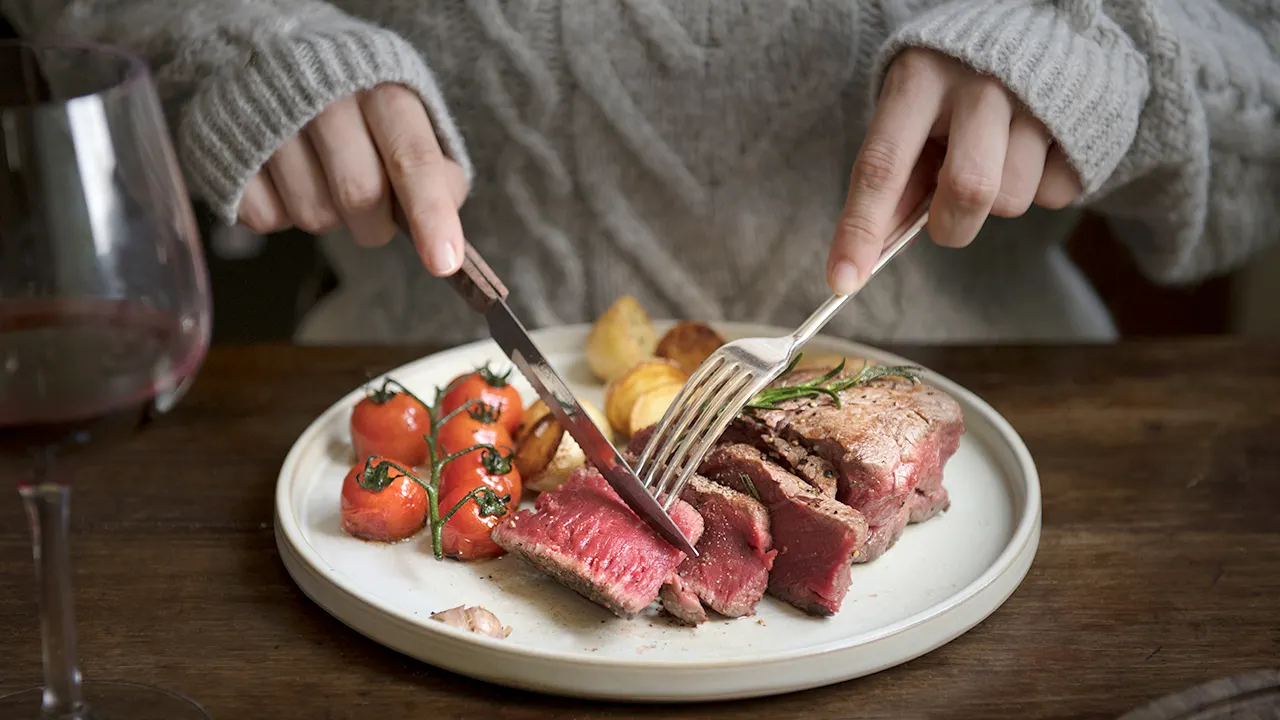
Recent research is giving an old diet debate a fresh twist, and it is not about slashing calories. A broad review of studies suggests that for sedentary adults, eating less protein may support healthier aging by easing the body’s metabolic load and calming inflammation. The idea is simple but pretty striking: for people who are not burning through a lot of fuel, constant high protein intake may be more than the body needs.
The usual longevity conversation has leaned hard on calorie restriction, and for good reason. Lower calorie intake has been linked to longer lifespan and fewer age-related problems in many studies, but strict dieting is tough to stick with for the long haul. That is where protein restriction enters the picture, offering a different route that may produce some of the same benefits without forcing people to live on an endlessly tiny plate.
In the review, which pulled together findings from more than 350 studies, reduced protein intake was associated with several favorable shifts in the body. Those included better metabolism, changes in how nutrients are signaled, less cellular wear and tear, and stronger maintenance at the cellular level. Instead of just trimming food across the board, the evidence points to adjusting one key part of the diet that may carry outsized effects.
One of the most talked-about players in this process is a hormone called fibroblast growth factor 21, or FGF21. When protein drops, FGF21 rises, and animal studies have tied that response to higher energy use, lower inflammation, improved blood sugar control and longer lifespan. It is the kind of biological chain reaction that makes nutrition research feel a little bit like opening a locked door and finding another hallway behind it.
The review also focused on three amino acids that make up protein: methionine, isoleucine and valine. Under certain conditions, these building blocks may feed pathways connected to aging, especially when they are present in high amounts over time. For people who are active, that is not necessarily a problem, but for people who spend most of the day sitting, the balance can shift in a less helpful direction.
That is the big divider in the research. Protein can be a major ally for muscle growth, recovery and exercise response, but the needs of an athlete are not the needs of someone whose daily movement is limited. Inactive adults may be taking in more protein than they actually require, and that excess can keep growth-related signals humming when the body does not really need them to be so active.
Over time, that kind of constant signaling may contribute to cellular stress, inflammation and weight gain. The concern is not protein itself as a villain, but protein in the wrong context and in the wrong amount. Nutrition gets messy fast when one-size-fits-all advice tries to cover everyone from marathon runners to people who barely move all day.
Still, the researchers are not tossing out protein or pretending this is settled science. This was a review, not a new clinical trial, so it can show patterns across existing work but cannot prove cause and effect in humans. Longer-term studies will be needed before anyone can say with confidence how much these metabolic changes really matter for lifespan.
The findings also make one thing very clear: protein needs are not identical across the board. Pregnant women, older adults and people at risk of muscle loss may need more, not less, and physically active people process dietary amino acids differently because exercise channels them into muscle repair and growth. For everyone else, the message is less dramatic and more practical: the body may not always want as much protein as modern eating habits keep serving up.
That nuance is where the research gets interesting. Instead of pushing a universal rule, it points toward a more personal approach based on age, movement and overall health. For a lot of sedentary adults, the smartest move may not be eating bigger protein portions, but rethinking whether those portions need to be that big in the first place.
