
Biohacks get plenty of hype, but the real game for aging well is much simpler: protect sleep, keep stress in check, eat like it matters, and stay physically strong. A longevity doctor makes the case that the point is not chasing impossible promises, but stacking ordinary habits that help people stay sharp, capable, and independent for longer.
Big-ticket wellness trends can sound glamorous, especially when they promise a shortcut to a longer life. Peptides, cold plunges, wearables, and other futuristic fixes may attract attention, yet the bigger picture is easy to miss: health span matters more than fantasies about living forever. That shift in mindset changes the goal from endless life to a better life.
The doctor pushes back on the idea that medicine can keep stretching the human clock without limit. Progress in longevity is real, but the notion that people will routinely sail past 120 or 130 years is still more fantasy than fact. The smarter target is making the years already ahead of a person more energetic, more mobile, and more enjoyable.
That means the best tools are often the least flashy ones. Good longevity habits do not need a luxury clinic or an expensive stack of supplements to work, and that is part of what makes them so powerful. They can be built into the day without turning life into a science project.
Sleep sits near the top of the list, and for good reason. Seven hours or more is a common benchmark for adults, but the deeper issue is quality, not just clocking time in bed. Eating earlier, skipping screens before sleep, and using calm routines like meditation or journaling can make a real difference.
Stress management is right there with sleep, because the body does not age in a vacuum. When stress stays high for too long, everything feels harder, from mood to focus to recovery. A steady routine of meditation, gratitude, movement, and social connection can help dial the pressure down before it starts wearing the body out.
Nutrition still matters in the plainest way possible. Meals built around vegetables, fruit, whole grains, lean protein, and sensible portions do more than keep weight in check. They support steady energy, better recovery, and a healthier base for the years ahead.
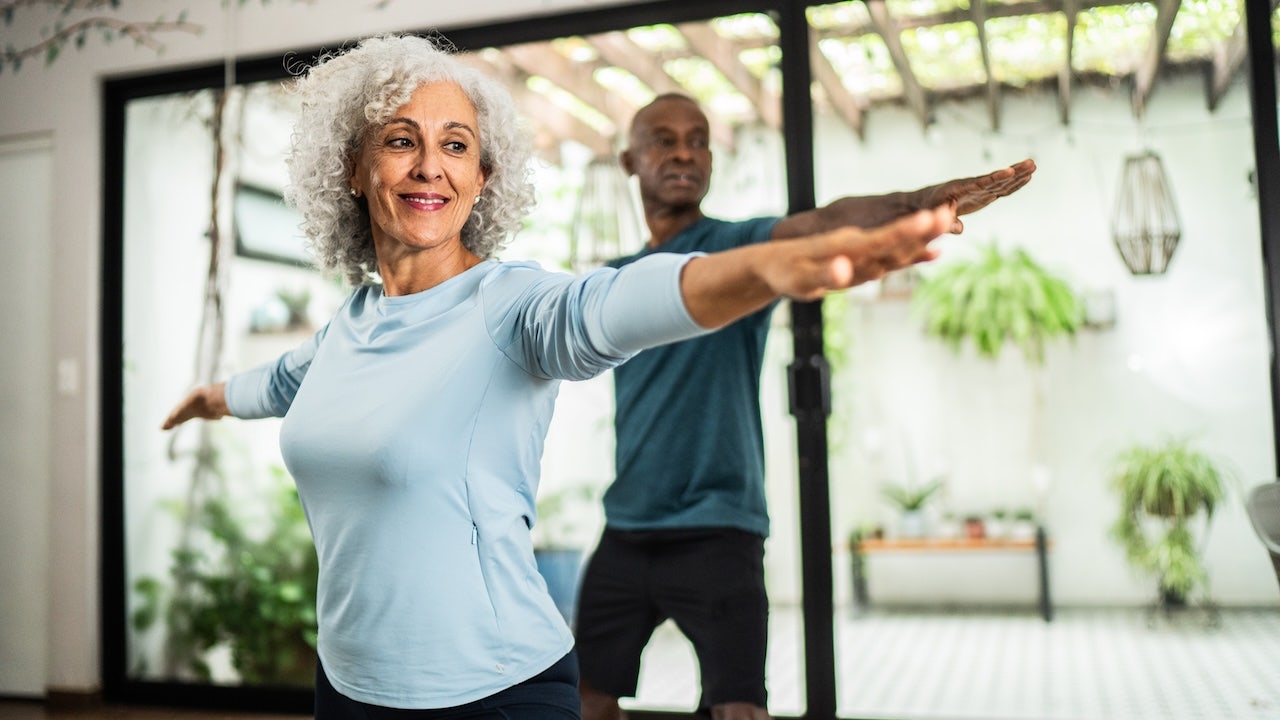
Exercise rounds out the formula, and this is where many people underestimate what consistency can do. Regular aerobic work plus strength training helps protect muscle, bones, heart health, and balance, all of which become more valuable with age. For older adults, strength work can be especially important because it helps preserve function, not just fitness.
One marker often linked to long-term health is VO₂ max, which reflects how efficiently the body uses oxygen during hard effort. It is not about chasing athletic bragging rights, but about measuring the body’s capacity to handle daily demands with less strain. Strong fitness numbers often track with stronger health span, especially when paired with solid habits.
The encouraging part is that age does not cancel progress. Someone who missed out on healthy habits at 25 can still make meaningful gains at 55 or 60, and those gains can show up in energy, mood, mobility, and resilience. The body tends to reward steady work, even when the starting line comes later than expected.
Simple structure can make those habits stick. A calm start to the day, a block for movement, and a little time for reading or reflection can set a better tone than grabbing the phone and diving into chaos. That kind of rhythm does not just feel better, it helps protect the habits that keep people moving well and thinking clearly as the years go by.
